So, have you heard about Quercetin? It's really been gaining a lot of buzz as a pretty powerful supplement for health in 2026. This natural flavonoid — which you can find in lots of fruits and veggies — actually has some pretty impressive benefits. Lots of folks are starting to wonder how adding Quercetin might boost their overall well-being.
Honestly, adding Quercetin into your daily routine sounds straightforward, but it’s not just a matter of popping a pill. You’ve got to think about the right dosage, when to take it, and how it fits into your unique health situation. It’s not some magic fix that solves everything overnight; it’s more about finding the right balance and making it part of a healthy lifestyle.
A bunch of people report feeling good, but others find the results a little patchy or inconsistent. That’s why paying attention to how your body reacts is super important. Getting to know what Quercetin does for you personally can really make a difference. This whole process is kind of like an experiment — try different approaches and see what clicks. In the end, sticking with it and listening to your body can really lead to better health outcomes.
It’s definitely worth exploring, but remember — it’s all about patience and paying attention to your own response. Everyone’s different, so finding what works best is part of the journey.

Overview of Quercetin: Definition and Historical Usage
Quercetin is a naturally occurring flavonoid found in various plants. It has been recognized for centuries. Historical records indicate its uses in traditional medicine. Ancient cultures employed quercetin for its anti-inflammatory properties. This compound is prevalent in onions, apples, and green tea. Many people have relied on it as a remedy.
Scientific interest in quercetin grew in the 20th century. Research revealed its potential to combat seasonal allergies. Some studies suggested benefits for heart health too. However, the amount needed for significant effects remains debated. Not everyone experiences the same benefits. Individual responses vary widely based on genetics and lifestyle.
Historically, quercetin was used for diverse ailments. Today, it continues to be explored for its health benefits. People are curious about its antioxidant properties. Understanding its past can help guide modern usage. Yet, it’s crucial to approach its benefits with caution. More research is needed to confirm many of its claimed effects. Observer feedback often reflects a mix of satisfaction and skepticism. The quest for knowledge about quercetin is ongoing.
Mechanisms of Action: How Quercetin Works in the Body
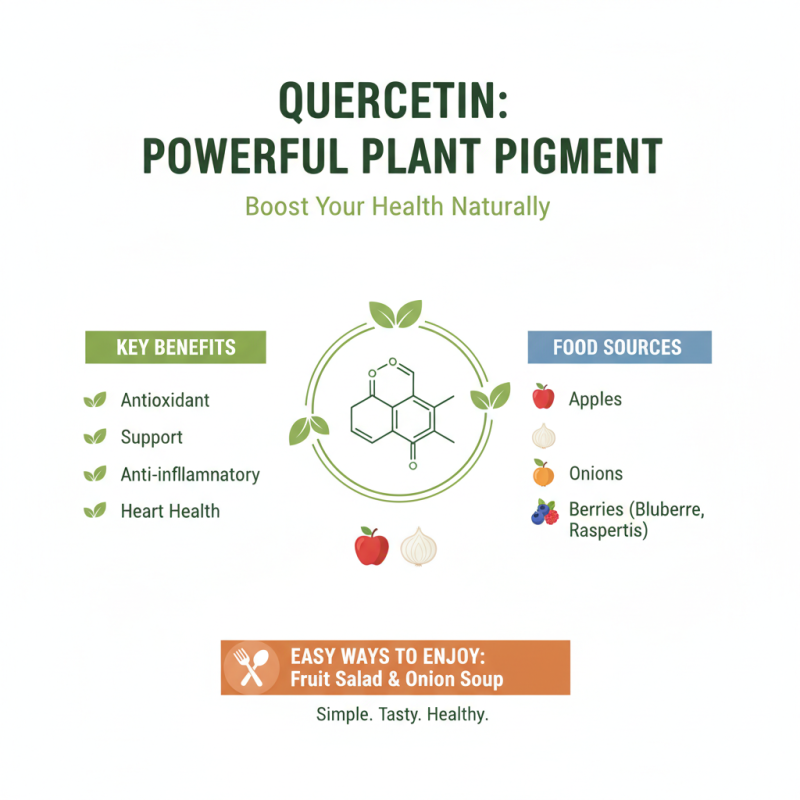
Quercetin is a powerful plant pigment found in many fruits and vegetables. It belongs to a class of compounds called flavonoids. These compounds are known for their antioxidant properties. Quercetin can help neutralize harmful free radicals in the body. This action may reduce oxidative stress and promote overall health.
One key mechanism of action is its ability to modulate inflammatory responses. Quercetin inhibits enzymes that trigger inflammation. This may help with chronic conditions, such as allergies and arthritis. Additionally, it influences immune system activity. By balancing immune responses, quercetin can enhance the body’s defenses against infections.
Another interesting aspect is its influence on cellular signaling pathways. Quercetin affects the way cells communicate. This can lead to improved cellular function and resilience. However, the exact effects can vary among individuals. Not everyone may experience the same benefits. Adjusting dosage and timing may be necessary. Listening to your own body is crucial when integrating quercetin into your routine.
Optimal Dosage: Recommended Daily Intake for Health Benefits
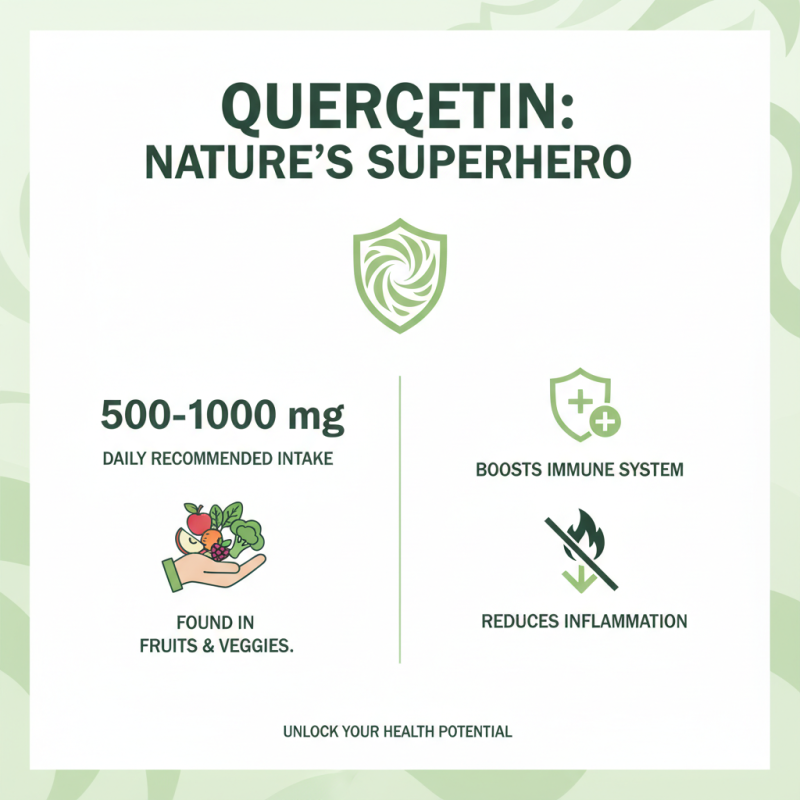
Quercetin is gaining attention for its potential health benefits. It’s a flavonoid found in many fruits and vegetables. The recommended daily intake for quercetin is between 500 to 1000 mg. Studies suggest that this dosage can enhance your immune system and reduce inflammation.
For optimal results, consider splitting your quercetin intake. Taking 250 mg twice a day may lead to better absorption. Timing can matter. Some research indicates taking it with meals may enhance its efficacy. Monitor how your body reacts. Adjusting the dosage could help you find what works best for you.
Tips: Incorporate quercetin-rich foods like apples and onions into your meals. This approach adds variety while boosting your intake. Always consult with a healthcare professional before making significant changes to your diet. There is no one-size-fits-all. You might find different dosages work better for your personal health needs. Stay informed about the latest research. It’s vital to keep learning.
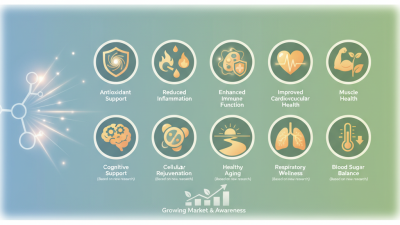
Health Benefits: Antioxidant, Anti-Inflammatory, and Immune Support
Quercetin is gaining attention for its various health benefits, particularly for its antioxidant and anti-inflammatory properties. This natural compound is found in many fruits and vegetables, like apples and onions.
Its antioxidant effects help combat free radicals, reducing oxidative stress in the body. You might notice that it can help with fatigue and mood swings, too.
In addition to its antioxidant properties, quercetin has notable anti-inflammatory effects. It may help reduce inflammation in chronic conditions like arthritis and asthma. Some studies suggest it might ease allergy symptoms by stabilizing mast cells, leading to fewer allergic responses. However, not everyone responds the same way; some may experience little to no effect. It's essential to listen to your body.
Quercetin's immune support is another critical aspect. It has been linked to enhanced immune responses, especially during cold seasons. Certain diets rich in quercetin seem to provide better overall immune health. But remember, individual results vary. You might need to adjust your intake based on your health needs. Always approach any supplement thoughtfully, reflecting on how it fits into your unique lifestyle.
Sources of Quercetin: Dietary Options and Supplements Comparison
Quercetin is a powerful plant pigment with numerous health benefits. It’s found in various fruits and vegetables. Apples, onions, and berries are rich sources. These foods are not only tasty but also great for your health. Including them in your diet is simple. A fresh fruit salad or a hearty onion soup can boost your quercetin intake easily.
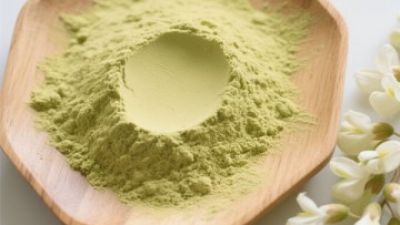
Some people choose supplements for convenience. Capsules and powders are popular options. While they offer a concentrated dose, whole foods provide additional nutrients. It's possible to overdo it with supplements. Too much quercetin may cause digestive issues. Balancing food sources and supplements is crucial. You might need to experiment to find what works best for you.
Listen to your body. Some may experience benefits quickly, while others may need time. Adjust your intake based on how you feel. Embracing a varied diet rich in quercetin can enhance your overall well-being. It’s also wise to consult with a healthcare professional when considering supplements. Stay informed and make choices that align with your health goals.
Potential Risks and Side Effects: What to Consider Before Use
Quercetin has gained popularity for its health benefits, but it’s crucial to be aware of potential risks and side effects. Some individuals may experience headaches or digestive issues after taking quercetin. Reports of mild gastrointestinal discomfort are common. This highlights the importance of starting with lower doses to monitor your body’s response.
Allergies can also be a concern. Those allergic to certain plants may react to quercetin derived from those sources. Symptoms can include skin rashes or itching. It's wise to consult a healthcare professional before beginning supplementation, especially if you have existing allergies.
Interactions with medications can complicate things further. Quercetin may affect how certain drugs work. This includes blood thinners and antihypertensive medications. Discussing your use of quercetin with your doctor is a must. Everyone’s body is different, and what works for one might not work for another. Reflecting on your own health needs is essential before introducing new supplements.
Quercetin Health Benefits and Risks
Future Research Directions: Investigating Quercetin's Role in Disease Prevention
Research on quercetin is gaining momentum. Scientists are exploring its potential in preventing various diseases. Quercetin is a flavonoid found in many fruits and vegetables. It may help reduce inflammation and support immune function. Future studies will focus on understanding its precise mechanisms.
Tips: Incorporate quercetin-rich foods into your diet. Foods like onions, apples, and berries are great sources. Don't overlook the importance of variety in your diet. A diverse intake can enhance overall health.
Another key direction is quercetin's role in chronic diseases. Conditions like heart disease and diabetes may see benefits from quercetin. However, not all research is conclusive. Some studies show minor effects. More extensive trials are needed to confirm these findings.
Tips: Consider supplementation but consult with a healthcare professional first. Monitor your body's response to any changes. Each person's reactions can differ significantly. Balancing quercetin intake with other nutrients is essential for optimal health.
Unlocking the Health Benefits of High-Purity Quercetin from Natural Sophora Japonica Extract: A Comprehensive Guide
High-purity quercetin, derived from the natural extract of Sophora Japonica, offers a myriad of health benefits that are crucial for overall well-being. Known for its impressive antioxidant properties, quercetin plays a significant role in combating oxidative stress in the body. This compound not only enhances heart health by promoting better circulation but also bolsters the immune system, making it a valuable addition to any health regimen. With a high specification of 95% or 98%, the purity of this yellow crystalline powder ensures its effectiveness in various applications, ranging from anti-inflammatory support to general wellness.
The solubility of quercetin in ethanol and DMSO, along with its slight solubility in water, allows for versatile formulation options in dietary supplements and health products. It is essential to store quercetin in a cool, dry place away from direct sunlight to maintain its potency. Additionally, compliance with certifications such as ISO22000, FSSC22000, and organic standards further underscores the quality and safety of quercetin extracts. Sampling options are available to help potential users assess the benefits firsthand, making it easier to incorporate this powerful ingredient into daily health routines.
FAQS
: The service aims to provide users with tools and support for personal growth.
Anyone looking to improve their skills or mental well-being can find value here.
Users can create an account online and explore available resources.
Some features are free, while others may require payment.
Resources include articles, videos, and interactive workshops.
Yes, users can monitor their development through progress reports.
A community forum is available for users to connect and share experiences.
New content is added regularly, but can be sporadic at times.
User data is protected, but some risks exist in online environments.
Yes, users are encouraged to provide feedback to improve services.
Conclusion
Quercetin is a powerful flavonoid known for its extensive health benefits, including antioxidant, anti-inflammatory, and immune support properties. Historical usage of quercetin can be traced back to various traditional medicine practices, where it was valued for its ability to promote overall health. Understanding how quercetin works in the body is essential, as it helps combat oxidative stress and modulates inflammatory responses.
For those looking to incorporate quercetin into their wellness routine, optimal dosage recommendations suggest a daily intake that maximizes its health benefits without adverse effects. While quercetin can be sourced from a variety of dietary options such as apples, onions, and green tea, supplements are also available for those needing higher concentrations. However, it's important to consider potential risks and side effects before use. As research continues to evolve, future studies will delve deeper into quercetin's role in disease prevention, highlighting its promise in enhancing health outcomes.