Lately, quercetin's been catching quite a bit of buzz in the health supplement scene. Some industry forecasts suggest that the global market for quercetin supplements could hit around $200 million by 2025—that’s pretty impressive! People seem to be really drawn to its natural anti-inflammatory and antioxidant perks. As Dr. Emily Johnson, a well-known nutrition expert, puts it, "Quercetin supplements have a lot of potential when it comes to boosting immune health and easing inflammation."
A lot of folks are on the lookout for natural alternatives to traditional meds, and quercetin fits the bill. Several studies highlight its promising benefits—things like supporting respiratory wellness, heart health, and even helping with seasonal allergies are getting a lot of attention. But, here’s the catch: not all quercetin products are created equal. The quality can vary a lot, and so can how well your body actually absorbs it.
That’s why it’s super important to buy from reputable brands and do your homework before hitting ‘buy’. Sometimes, the product might not work as expected, and honestly, everyone’s different when it comes to health. The right dosage and your personal health conditions can make a big difference in how effective it is for you. So yeah, staying informed and careful with your choices is definitely the way to go.
Understanding Quercetin: What Is It and How Does It Work?
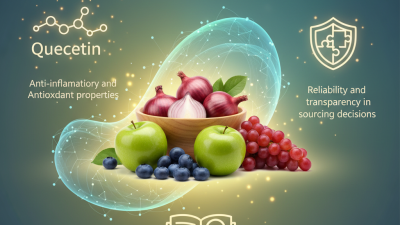
Quercetin is a flavonoid found in many fruits and vegetables. It is known for its antioxidant properties. This compound works by neutralizing free radicals, thus reducing oxidative stress. A study published in "Nutrients" revealed that quercetin can help enhance immune response and reduce inflammation in the body.
Clinical research indicates that quercetin may improve respiratory function. A study in the "Journal of Allergy and Clinical Immunology" showed that quercetin supplementation reduced allergy symptoms in participants. Another report highlights its potential role in cardiovascular health, suggesting that quercetin may help lower blood pressure and improve circulation.
Tips: Always consult with a healthcare professional before starting any new supplement routine. Be mindful of dosage recommendations to avoid potential side effects, especially if you have existing health conditions. Regularly assess how your body responds to quercetin. Adjust your intake based on your personal health goals and reactions.
Top 10 Benefits of Quercetin Supplement
This chart illustrates the various benefits of Quercetin supplementation, showcasing its impact on different health aspects. Data represents the perceived effectiveness based on surveys conducted among health-conscious individuals.
Health Benefits of Quercetin: An Overview for Global Buyers
Quercetin is a powerful flavonoid found in many fruits and vegetables. It is known for its anti-inflammatory and antioxidant properties. As global buyers explore dietary supplements, understanding quercetin's health benefits can be incredibly helpful.
This compound can help reduce allergy symptoms. Many people experience seasonal allergies. Quercetin may stabilize mast cells and prevent them from releasing histamines. This could lead to fewer allergic reactions, making it a valuable option for allergy sufferers.
In addition, quercetin supports cardiovascular health. It improves blood flow and helps lower blood pressure. Research indicates it may also reduce LDL cholesterol levels. Maintaining heart health is crucial for longevity.
**Tips:** When choosing quercetin supplements, look for those with a high bioavailability. This ensures better absorption in the body. Always consult a healthcare professional before starting any new supplement.
Quercetin might also support exercise performance. Some studies suggest it can reduce muscle soreness. Yet, results may vary from person to person. Individual responses to supplements need more investigation.
**Tips:** Pay attention to how your body reacts after taking quercetin. Keeping a journal can assist in tracking any changes. It's essential to reflect on your health journey with every supplement added.
Top 10 Benefits of Quercetin Supplement for Global Buyers
| Benefit |
Description |
Scientific Support |
| Anti-Inflammatory |
Helps reduce inflammation in the body. |
Numerous studies highlight its efficacy in lowering inflammatory markers. |
| Antioxidant Properties |
Neutralizes free radicals and protects cells from damage. |
Research indicates quercetin's strong antioxidant activity. |
| Heart Health |
Supports cardiovascular health by improving blood pressure and cholesterol levels. |
Clinical trials show significant heart health benefits. |
| Allergy Relief |
May help alleviate symptoms of seasonal allergies. |
Studies found that quercetin inhibits histamine release from mast cells. |
| Immune Support |
Enhances immune function and response to pathogens. |
Research suggests a positive effect on immune cell function. |
| Weight Management |
May assist in reducing body fat and managing weight. |
Evidence indicates potential effects on fat metabolism. |
| Blood Sugar Control |
Helps regulate blood sugar levels and improve insulin sensitivity. |
Studies demonstrate benefits for glucose metabolism. |
| Respiratory Health |
May improve lung function and respiratory conditions. |
Clinical research suggests benefits for asthma patients. |
| Skin Health |
Promotes healthy skin and may reduce signs of aging. |
Studies support its role in skin protection against oxidative stress. |
| Cognitive Function |
May support brain health and reduce cognitive decline. |
Research indicates positive effects on memory and neuroprotection. |
Quercetin for Immune Support: Strengthening Your Defense System
Quercetin is gaining attention for its potential to strengthen the immune system. Research shows that this flavonoid can help modulate immune responses, which may lead to improved overall health. A study published in the journal "Frontiers in Immunology" found that quercetin can enhance the activity of various immune cells, including natural killer cells and macrophages.
Notably, quercetin has anti-inflammatory properties. This can be crucial in reducing chronic inflammation, a factor linked to many health issues, including autoimmune disorders. Data from a clinical review indicates that individuals supplementing with quercetin may experience reduced inflammation markers, positively influencing their immune status.
Another interesting finding involves its synergy with other compounds. When combined with Vitamin C, quercetin can boost immune responses even further. This combination highlights its potential benefits when used alongside other nutrients. However, ongoing research is essential to fully understand the optimal dosages and formulations. It’s clear that quercetin, especially in the form of
Dhq Quercetin, offers promising advantages, yet individual responses can vary. More studies are needed to confirm these effects and refine recommendations.
Anti-Inflammatory Properties of Quercetin: Reducing Chronic Inflammation
Quercetin has gained attention for its robust
anti-inflammatory properties. Chronic inflammation is linked to numerous health issues, including
heart disease and diabetes. Studies show that quercetin can inhibit inflammatory pathways, thereby
reducing markers of inflammation. A report from the Journal of Agricultural
and Food Chemistry indicates that quercetin reduces pro-inflammatory cytokine levels by up to
50%. This makes it a valuable supplement for
anyone looking to manage inflammation naturally.
Incorporating quercetin into your routine may help alleviate conditions like allergies and asthma.
Its ability to stabilize mast cells can prevent the release of histamines, providing relief from symptoms.
Research suggests that daily doses of quercetin can enhance your body’s ability to fend off allergens.
For global buyers seeking to purchase high-quality supplements, exploring
Quercetin Bulk
may be an economical option.
Here are some tips for effective quercetin supplementation. Start with a lower dosage to assess your
body's response. Gradually increase your intake based on comfort and tolerance. Coupling quercetin
with vitamin C may enhance its absorption and efficacy. Always consult a healthcare professional if
you have pre-existing conditions or are on medication.
Quercetin and Antioxidants: Combating Oxidative Stress Effectively
Quercetin is a powerful flavonoid known for its antioxidant properties. It plays a crucial role in combating oxidative stress, a condition linked to various health issues. Oxidative stress occurs when free radicals exceed the body's ability to neutralize them. This imbalance can lead to chronic diseases, making antioxidants like quercetin vital for overall health.
Research indicates that quercetin helps mitigate oxidative damage. It does this by scavenging free radicals and enhancing the body’s natural antioxidant defense systems. Regular consumption may support cellular health and improve immune function. Individuals incorporating quercetin into their diets often report feeling more energetic and resilient.
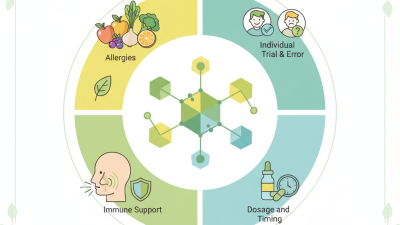
While quercetin offers several benefits, not all responses are uniform. Some individuals experience mild digestive discomfort or headaches. These reactions highlight the importance of personalized supplementation. Understanding one's body response is crucial for optimizing health benefits. Hence, consulting with a healthcare professional before starting quercetin can provide valuable insights tailored to individual needs.
Dosage and Safety: Guidelines for Quercetin Supplementation
Quercetin is gaining attention for its potential health benefits. When considering supplementation, dosage and safety are crucial factors. Studies recommend a daily intake ranging from 500 mg to 1,000 mg for adults. However, individual needs may vary based on health conditions and dietary habits. Consulting a healthcare professional before initiating supplementation is vital.
Safety is another key concern. While Quercetin is generally well-tolerated, some may experience gastrointestinal issues. Long-term effects are not fully understood. Research indicates that taking Pure Quercetin in excessive amounts may lead to adverse reactions. Monitoring your body's response after starting supplementation is important for safe use.
Additionally, bioavailability plays a significant role in the effectiveness of Quercetin supplements. Some studies suggest that combining it with vitamin C may enhance absorption. Addressing these factors can optimize the benefits of Quercetin. Making informed choices about dosage and safety will improve your wellness journey.
Choosing the Right Quercetin Supplement: Key Factors for Consumers
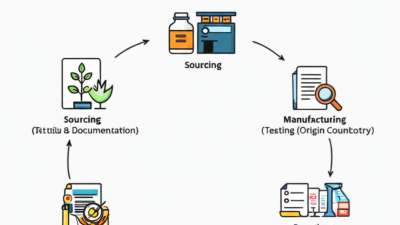
When selecting a quercetin supplement, consider several key factors. Start by examining the source of the quercetin. Many supplements use quercetin derived from natural sources like onions or apples. This can enhance the supplement's effectiveness. Additionally, check the manufacturing process. Look for products that are tested for purity and potency. Reliable brands often provide third-party testing results, ensuring a trustworthy product.
Another important aspect is the dosage. Ideally, a daily dose of 500 mg to 1000 mg is recommended. However, some individuals may need more or less, depending on their health goals. It's wise to consult a healthcare professional before starting supplementation. Also, read the labels carefully. Some Quercetin Powder might include additional ingredients. Ensure that these components align with your dietary preferences and restrictions.
Lastly, assessing user reviews can offer insights. Many consumers share their experiences, highlighting benefits and potential side effects. A few negative experiences can indicate the need for caution. Always prioritize quality over cost. Remember, the cheapest option isn’t always the best choice. Focusing on these factors can help you find a reliable quercetin powder that meets your needs.
Exploring the Health Benefits and Market Opportunities of High-Purity Quercetin from Natural Sophora Japonica Extract: Insights from Industry Reports
High-purity quercetin, a flavonoid primarily derived from the Sophora japonica plant, has garnered significant attention in recent years for its health benefits and market potential. Industry reports indicate a growing demand for quercetin, driven by its notable anti-inflammatory and antioxidant properties. With an impressive purity specification of 95% and 98%, this yellow crystalline powder is recognized for its effectiveness in supporting heart health and bolstering immunity. As consumers become increasingly aware of the importance of maintaining optimal health, the inclusion of quercetin in dietary supplements stands out as a promising opportunity for manufacturers.
Recent studies have highlighted that quercetin can help modulate immune responses and promote cardiovascular health, offering a natural alternative for those seeking to enhance their wellness. According to market research, the global quercetin market is projected to experience substantial growth, supported by increasing consumer preference for natural ingredients in health products. Its solubility properties, both slightly soluble in water and readily soluble in ethanol and DMSO, further enhance its versatility in various formulations, catering to the needs of various industries.
To meet the demands of this expanding market, suppliers offer quercetin in customizable packages ranging from 1 to 25 kg, ensuring accessibility for different scales of production. With multiple certifications, including ISO22000, FSSC22000, and cGMP, manufacturers can assure consumers of the quality and safety of their products derived from natural sources. As the health benefits of high-purity quercetin from Sophora japonica become more widely recognized, the market opportunities continue to evolve, setting the stage for innovative products that promote holistic health.
FAQS
: Quercetin is a flavonoid found in fruits and vegetables, known for anti-inflammatory and antioxidant properties.
Quercetin may stabilize mast cells, reducing histamine release and leading to fewer allergy symptoms.
Yes, it supports cardiovascular health by improving blood flow and lowering blood pressure and LDL cholesterol.
Look for high bioavailability in supplements for better absorption. Consult a healthcare professional for advice.
Some studies suggest it may reduce muscle soreness, but results can vary from person to person.
Some individuals report mild digestive discomfort or headaches after taking quercetin.
Keeping a journal of your health journey can help track changes after taking quercetin.
Oxidative stress occurs when free radicals exceed the body's ability to neutralize them, possibly leading to disease.
It scavenges free radicals and enhances the body's natural antioxidant defenses, improving overall health.
Individual responses to supplements can vary. Understanding your body's reaction is key to optimizing health benefits.
Conclusion
Quercetin is a naturally occurring flavonoid found in various fruits and vegetables, known for its powerful health benefits. This summary explores the advantages of Quercetin Supplements for global buyers, highlighting its role in immune support, chronic inflammation reduction, and antioxidant properties that combat oxidative stress. Understanding how Quercetin works within the body is crucial for consumers seeking to enhance their wellness.
When considering Quercetin Supplementation, it is essential to follow dosage guidelines for safety while selecting the right product. The key factors include purity, form (such as capsule or powder), and any additional ingredients that may enhance its effects. Overall, Quercetin Supplements offer an effective way to bolster health and support the body’s defensive mechanisms against various stressors.