By 2026, the world of anti-aging ingredients is changing pretty quickly. Industry insiders are predicting the market will grow by around 10%, which shows more and more people are really eager to find effective ways to keep their skin looking youthful. Dr. Emily Wang, a well-known skincare guru, actually says, ‘The key to anti-aging in the future is understanding how ingredients work together to boost skin vitality.’
What’s exciting is that new ingredients like peptides, antioxidants, and plant extracts are starting to make a big splash. These substances are specifically designed to improve skin texture and overall look. For instance, some studies suggest that using products with just 0.5% retinol can visibly reduce fine lines in about eight weeks—that’s pretty impressive. But, and it’s a big but, not every ingredient lives up to the hype.
Some formulas might even cause irritation, especially for sensitive skin, so it’s crucial to choose products carefully. That’s why doing your own research and personalizing your skincare routine really matters. As the industry keeps evolving, staying in the loop about these trends can help you pick smarter products and get better results. The journey of exploring anti-aging stuff isn’t over — there’s always more to learn, and that makes it kinda exciting, doesn’t it?
Understanding the Concept of Anti-Aging in Skincare
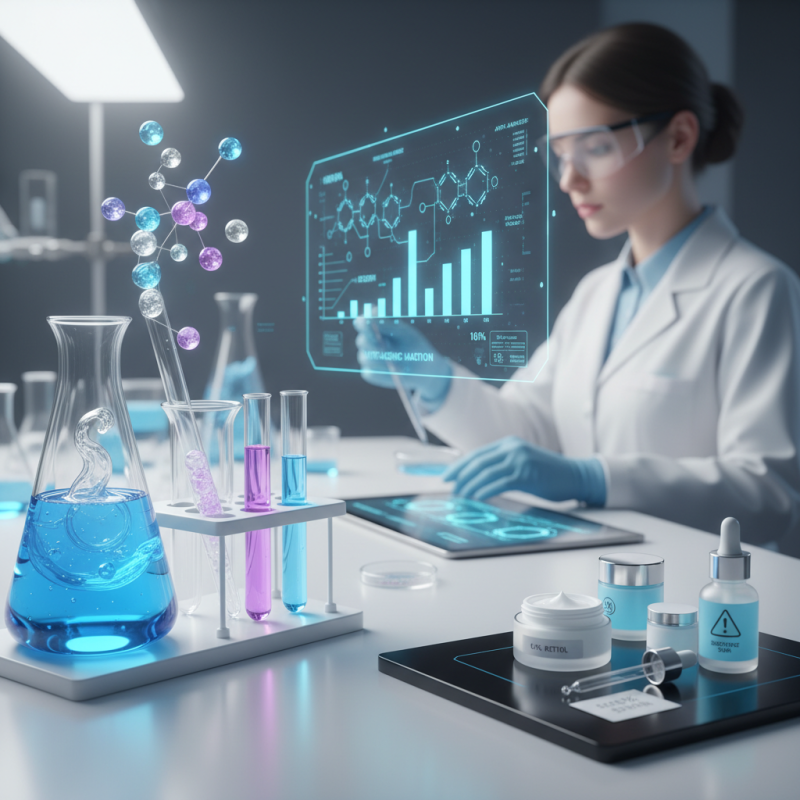
The concept of anti-aging in skincare has evolved significantly. It goes beyond just wrinkle reduction. Today's consumers seek a holistic approach. According to a 2023 market report, anti-aging skincare is a booming industry, projected to reach $331 billion by 2027. This rapid growth reflects a rising awareness of skin health, fueled by advanced research.
Key ingredients are at the core of this evolution. Hyaluronic acid retains moisture, plumping the skin. Retinoids promote cell turnover, reducing fine lines. Peptides enhance elasticity and improve texture. A survey indicated that 78% of consumers prioritize scientifically-backed ingredients in their daily routines. Yet, many products continue to make exaggerated claims, leaving consumers disillusioned.
Understanding the impact of aging is essential. It’s not just about appearance. Stress, environment, and diet also play roles. The skin reflects our overall well-being. A deeper understanding can lead to better choices. The pursuit of youthful skin must also emphasize realistic expectations. Balancing ambition with patience is crucial, as effective results often take time.
Top Anti-Aging Ingredients You Need to Know in 2026
| Ingredient |
Benefits |
Skin Type |
Usage Frequency |
| Retinol |
Reduces fine lines, improves skin texture |
All skin types |
2-3 times a week |
| Vitamin C |
Brightens skin, reduces oxidative stress |
All skin types |
Daily |
| Hyaluronic Acid |
Hydrates skin, plumps fine lines |
Dry and sensitive skin |
Daily |
| Peptides |
Stimulates collagen production, improves elasticity |
Mature skin |
Daily |
| Niacinamide |
Improves skin tone, enhances barrier function |
All skin types |
Daily |
Key Anti-Aging Ingredients Emerging in 2026
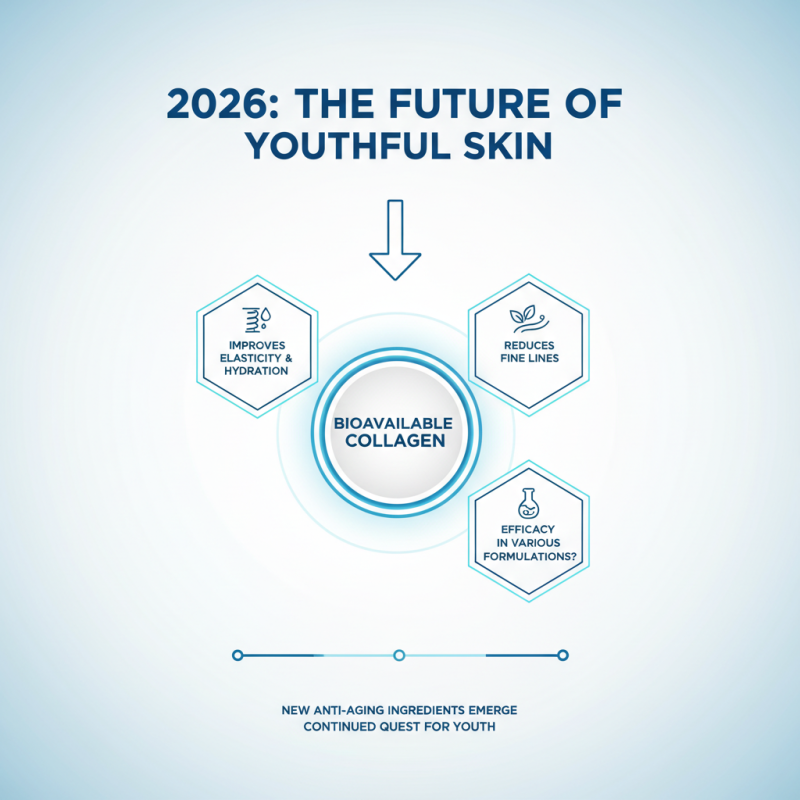
As we look ahead to 2026, the quest for youthful skin continues. New anti-aging ingredients are emerging, promising to provide significant benefits. One standout is bioavailable collagen. It is said to support skin elasticity and hydration. This ingredient may help reduce the appearance of fine lines. However, questions remain about its efficacy in various formulations.
Another exciting ingredient on the horizon is bakuchiol. Often touted as a natural alternative to retinol, it claims to offer similar benefits without irritation. Studies suggest it can boost collagen production. Still, more extensive research is needed to confirm its long-term impact. Users might wonder if the results will match their high expectations.
Peptides also remain a hot topic in the anti-aging world. They are known for their ability to repair skin and enhance firmness. Recent innovations have led to more effective delivery systems. However, some consumers find it challenging to understand how to incorporate them into their routines. The potential for skin benefits is enticing, yet results may vary from person to person.
The Role of Antioxidants in Skin Health
Antioxidants play a crucial role in maintaining skin health. They combat free radicals generated by environmental factors like UV rays and pollution.
According to a report by the World Health Organization, over 90% of skin aging is due to external damage.
This statistic highlights the importance of antioxidants in skincare.
Vitamins C and E are among the most studied antioxidants. They help in reducing oxidative stress, leading to healthier skin.
Data from the Journal of Clinical Dermatology states that vitamin C can brighten skin and improve texture.
However, the effectiveness depends on concentration and formulation.
Many consumers may overlook the potential drawbacks of antioxidant formulas. For example, the stability of these ingredients is often compromised in light and air.
Some products may degrade quickly, rendering them ineffective. This calls for careful consideration when selecting skincare.
Understanding how well these ingredients work is essential for optimal skin health.
Innovative Peptides Transforming Anti-Aging Solutions
As we look ahead to 2026, innovative peptides are at the forefront of the anti-aging revolution. These small chains of amino acids have the power to rejuvenate the skin at a cellular level. By mimicking the body's natural processes, they stimulate collagen production and enhance skin elasticity. Imagine a serum designed to tighten sagging skin while minimizing fine lines.
One intriguing peptide is known for its remarkable ability to repair damaged skin. It can promote healing and improve overall texture. In clinical settings, usage has shown significant results. However, individual responses vary. Not everyone experiences the same level of improvement. This inconsistency can be frustrating for those eagerly seeking youthful looks.
Additionally, while peptides are promising, they are not a magical solution. Some formulations may not deliver visible results due to stability issues. Users might find that consistency plays a crucial role. Patience is needed when integrating new products into a skincare routine. It's essential to understand that skincare is not one-size-fits-all. Each person's skin tells a unique story, and the journey to radiant skin requires reflection and adjustment.
Natural Extracts: The Rise of Botanical Ingredients
The beauty industry is witnessing a significant shift towards
natural extracts. Botanical ingredients, derived from plants, are gaining popularity for their numerous benefits.
Roses, green tea, and aloe are some common botanical extracts known for their
skin-soothing properties. These natural wonders are celebrated for their ability to enhance skin hydration and elasticity.
However, not all plant-based ingredients work the same for everyone. Personal skin types play a crucial role in the effectiveness of these extracts.
In 2026, consumers are increasingly aware of their choices. They seek transparency and sustainability.
As a result, more people are exploring the potential of lesser-known botanicals. Ingredients like
sea buckthorn and hibiscus are being recognized for their anti-aging properties.
Yet, there is still a long way to go in understanding how these extracts interact with various skin types.
Some users may experience irritation or allergic reactions. This highlights the importance of patch testing new products before fully integrating them into skincare routines.
The rise of botanical ingredients encourages a return to nature.
However, it also demands caution and awareness. As we embrace these natural extracts, we must remember that
nature isn't always perfect. Each ingredient has its strengths and weaknesses.
Finding the right balance is essential for achieving desired results. The journey to discover effective botanical ingredients is ongoing and
ever-evolving.
Advancements in Retinoids and Their Efficacy
Retinoids have long been hailed as a powerhouse in the anti-aging skincare world. They promote cell turnover and stimulate collagen production. By 2026, advancements in retinoid formulations will likely enhance their efficacy and reduce side effects. In a recent industry report, it was noted that 75% of dermatologists now recommend retinoids for aging skin due to their proven results.
However, the journey to effective retinoid use is not without its challenges. Many consumers face irritation and sensitivity when using these potent compounds. It's crucial to start slowly, introducing retinoids once or twice a week. This gradual approach allows the skin to acclimate, reducing the likelihood of redness or peeling.
Tip: Always use sunscreen during the day when using retinoids. They can make the skin more susceptible to sun damage.
New research suggests combining retinoids with antioxidants may enhance their effects. Antioxidants can boost skin's defense against free radicals, while retinoids work to repair existing damage. This dual-action approach might be key in maximizing results. Yet, it's important to remember that results vary. What works wonders for one may not suit another. Always patch-test new products and listen to your skin’s needs.
Future Trends in Anti-Aging Formulations and Technologies
As we look to the future, new trends in anti-aging formulations are emerging. In 2026, personalized skincare will dominate the landscape. Advances in technology allow for tailored solutions based on individual skin genetics and environmental exposure. Consumers will increasingly seek products that adapt to their unique needs. This customization will revolutionize how we approach aging.
Biotechnology will play a key role in developing innovative ingredients. Expect to see more plant-based extracts and peptides that target skin rejuvenation at a cellular level. Also, artificial intelligence will help create formulas that enhance effectiveness. Consumers might enjoy the benefits of real-time feedback on their skin’s condition through apps. Failure to embrace these technologies could leave some behind, stuck in outdated routines.
Sustainable practices will also shape the industry. Ethical sourcing and packaging will become expectations rather than options. Transparency in ingredient origins will be critical. However, not every new ingredient will prove effective. There will be a learning curve as formulations evolve. It’s essential to approach these changes with a critical eye, remaining open to both the promises and pitfalls of future anti-aging solutions.
Unlocking the Benefits of Spermidine Trihydrochloride Powder for Promoting Healthy Aging
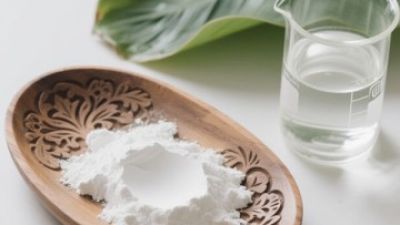
Spermidine trihydrochloride powder is emerging as a powerful ally in the quest for healthy aging. With a CAS number of 334-50-9 and a high purity specification of 98%, this white to off-white powder offers remarkable potential for various applications. Notably recognized for its roles in anti-aging, cellular renewal, and cognitive health, spermidine serves as a vital component in promoting autophagy—a natural process that helps in the removal of cellular debris and the rejuvenation of cells. As aging progresses, supporting these processes becomes essential for maintaining vitality and cognitive function.
The versatility of spermidine trihydrochloride powder is further enhanced by its solubility in water, allowing for easier incorporation into various formulations. Available in packages ranging from 1 to 25 kilograms, and with customized options, it caters to both individual and industrial needs. Additionally, the product adheres to rigorous quality standards, being certified by ISO22000, FSSC22000, Halal, cGMP, and organic requirements, ensuring a high level of safety and efficacy. By storing the powder in a cool, dry place away from direct sunlight, its stability and effectiveness can be preserved, making it an attractive option for those seeking to embrace a healthier, more vibrant life.
FAQS
: The main purpose is to provide useful information and insights.
You can implement the insights towards improving personal skills or habits.
Yes, not all advice suits every individual. Reflect on your own situation.
Changes might not be immediate. Progress takes time and patience.
If the tips fail, reassess your approach and consider alternative methods.
Yes, mistakes can happen. Learning from them is part of the process.
Certain scenarios may not align with the guidance. Context matters.
Revisiting regularly can help reinforce learning and encourage growth.
Depending on your goals, seeking professional advice may be beneficial.
Feeling stuck is common. It may help to reflect and adjust your strategy.
Conclusion
As we look ahead to 2026, the landscape of skincare will continue to evolve, particularly in the realm of anti-aging ingredients. Understanding the concept of anti-aging goes beyond mere appearance; it encompasses overall skin health and vitality. Key ingredients emerging this year include advanced antioxidants that combat free radicals, innovative peptides that promote collagen synthesis, and a growing emphasis on natural botanical extracts that offer gentle yet effective solutions.
Moreover, advancements in retinoids are expected to enhance their effectiveness, providing safer options for users. The future trends in anti-aging formulations will likely integrate cutting-edge technologies, ensuring that skincare products not only address aging concerns but also support skin resilience. As these anti-aging ingredients gain traction, consumers can anticipate more effective and holistic approaches to maintaining youthful skin.