• facebook
  • linkin
  • Youtube
  • tiktok
Leave Your Message
0%

Quercetin is this natural compound called a flavonoid, and you’ll find it in a bunch of fruits and veggies. It’s been getting a lot of buzz lately because folks are saying it might help with allergy symptoms and boost your immune system. A lot of people are turning to products like Dhq Quercetin because of its anti-inflammatory effects. Basically, it could help fight off those annoying allergic reactions we all hate.

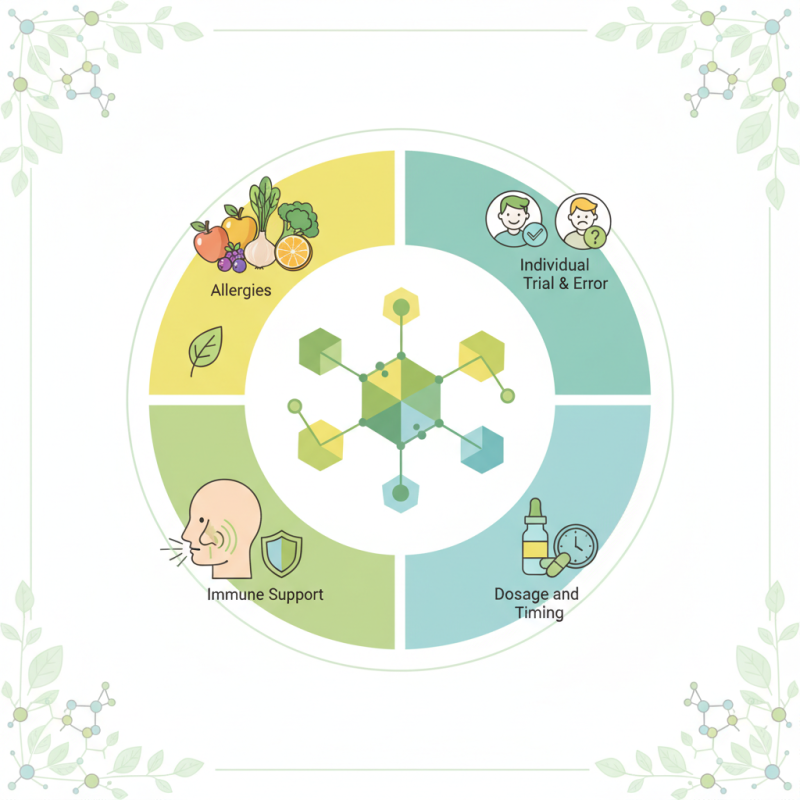
But here’s the thing—figuring out how to use Quercetin right is pretty important. You gotta get the dosage right and know when to take it. Lots of users swear they got relief from stuff like sneezing or a stuffy nose. That said, everyone’s different, and it doesn’t always work the same for everyone. So, it’s super important to listen to your body and tweak things if needed.

Trying to add Quercetin into your routine might take some experimentation—brush it off if you don’t get it right the first time. Sometimes, people might get headaches or have some tummy upset from it, so keeping an eye on how you feel is key. All in all, Quercetin could be a pretty promising natural option for those trying to handle allergies without meds, while also giving your immune health a little boost.
How to Use Quercetin for Allergies and Immune Support?

What is Quercetin and How Does It Work?

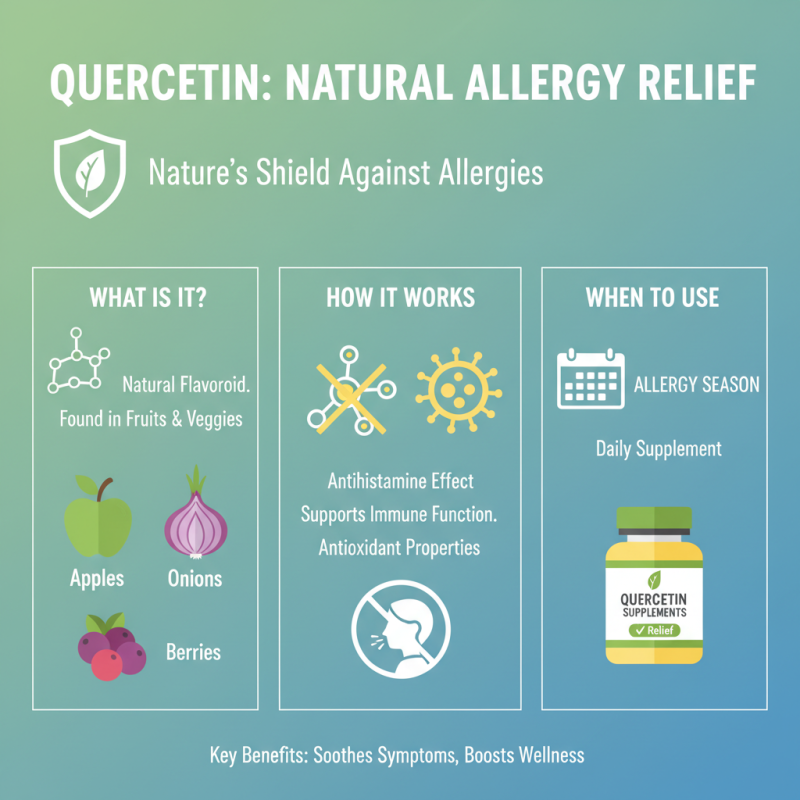
Quercetin is a natural flavonoid found in many fruits and vegetables. It plays a significant role in promoting immune health. Studies reveal that quercetin can modulate immune responses. This action may help reduce allergic reactions. For instance, a study published in "Frontiers in Pharmacology" highlights its ability to inhibit histamine release. This mechanism supports its use during allergy seasons.

Research also shows that quercetin has potent antioxidant properties. Antioxidants protect cells from oxidative stress. According to a report by the American Journal of Clinical Nutrition, quercetin has been linked to reduced oxidative damage in cells. This could enhance overall immune function. Many individuals may benefit from quercetin, especially those with seasonal allergies or weakened immunity.

Despite its benefits, quercetin isn't a miracle solution. Some people experience digestive issues when consuming it. Additionally, effective dosages vary. More research is needed to determine optimal intake levels. Balancing quercetin with a healthy diet might be crucial for best results. Pay attention to how your body responds. This awareness is essential for effective use.

Natural Sources of Quercetin in Your Diet

Quercetin is a powerful flavonoid found in various natural sources. Many fruits and vegetables are packed with this potent compound. Onions, apples, and berries are among the richest sources of quercetin.
A recent study indicated that onions alone can provide up to 50 mg of quercetin per 100 grams. This makes them an excellent addition to your diet, especially if you struggle with allergies.

Other noteworthy sources include capers and kale. Capers contain approximately 300 mg of quercetin per 100 grams. They may not be common but can spice up your meals significantly. Kale also offers substantial health benefits with around 20 mg of quercetin per 100 grams. Incorporating a variety of these foods can enhance immune support. Some people may feel overwhelmed by dietary changes. Start small. Try adding a few slices of raw onion to your salad, for example.

You could consider Quercetin Bulk supplements if whole foods don't meet your needs. However, always think about balancing convenience with nutrition. Whole foods contain a wider range of beneficial compounds. Mistakes happen; we might overlook these details. Keep exploring your options to maximize your health benefits.

Dosage Recommendations for Quercetin Supplements

Quercetin is gaining attention for its potential in allergy relief and immune support.

Dosage is crucial for effectiveness. Studies suggest a typical daily dosage ranges from 500 mg to 1,000 mg. This amount may vary based on individual needs and health conditions. It's vital to adjust dosages carefully. Some users report mild side effects like headaches or digestive upset.

Research indicates that quercetin may help reduce histamine release, which is essential for allergy sufferers.

A 2020 review highlighted its role in modulating immune responses. However, more extensive trials are needed to confirm the optimal dosage and effects.
Proper timing of supplementation can also influence results. Taking quercetin before exposure to allergens may offer more benefits. Always consider personal health when determining dosage.

Potential Benefits of Quercetin for Allergy Relief

How to Use Quercetin for Allergies and Immune Support?

Quercetin is a natural flavonoid that may help alleviate allergy symptoms. It is found in many fruits and vegetables, such as apples and onions. People often turn to quercetin supplements for relief, especially during allergy season. This compound has antioxidant properties that can support overall immune function.

By stabilizing mast cells, quercetin may reduce histamine release. It helps lower inflammation, which can lead to a clearer respiratory passage. Some users report fewer sneezing fits and less nasal congestion. There can be lots of variability in individual responses, which can make tracking effectiveness tricky. It might not work for everyone.

Many prefer Pure Quercetin for its concentrated benefits. Adding quercetin-rich foods into your diet could also offer immune support. However, the results depend on various factors, including diet and lifestyle. Additionally, while quercetin is generally safe, it is wise to consult a healthcare professional if you're on medication or have underlying health issues. Balancing natural supplements with medical advice can enhance overall well-being.

Quercetin's Role in Immune System Support

Quercetin has gained attention for its potential in supporting immune health. It's a flavonoid found in various fruits and vegetables. This natural compound helps modulate immune responses. For those with allergies, Quercetin Powder may reduce inflammation. It works by stabilizing mast cells, which release histamine. Reducing histamine can alleviate allergy symptoms like sneezing and itching.

Incorporating Quercetin into your routine is straightforward. Start with small amounts of Quercetin Powder mixed with water. Observe how your body responds. Gradually increase the dosage if needed. Always consider your overall diet and lifestyle. Eating a balanced diet rich in antioxidants can enhance Quercetin's effects. Fresh fruits, onions, and green tea are good sources.

Stay aware of how you feel. Everyone reacts differently to supplements. It’s essential to monitor any changes in your symptoms. If something feels off, reflect on your intake. Consulting with a healthcare provider can provide additional guidance. Use Quercetin as part of a broader strategy for immune support. A holistic approach leads to the best outcomes.

Possible Side Effects and Interactions of Quercetin

Quercetin is commonly used for its potential benefits in managing allergies and supporting the immune system. However, it is crucial to understand its possible side effects and interactions before starting any supplementation. Some users may experience gastrointestinal issues, including stomach upset or headache. These effects can vary from person to person.

When taking quercetin, consider starting with a low dose. This approach helps minimize adverse reactions. Pay attention to how your body responds. If you notice significant discomfort, it's wise to adjust the dosage or consult a healthcare professional.

Quercetin may interact with certain medications, especially blood thinners. It's important to monitor any changes or unusual symptoms. Avoid mixing it with other supplements unless advised by a professional. Always prioritize safety and well-being when exploring natural remedies.

Tips: Keep a journal of your symptoms and dosage. This can help you identify patterns. Discuss your plan with a healthcare provider for tailored advice. Listening to your body is essential in the journey of health management. Remember, not every solution works for everyone.

Tips for Maximizing the Effectiveness of Quercetin

Quercetin is known for its anti-inflammatory properties and immune support. To utilize its benefits effectively, start by choosing the right source. Natural Quercetin Bulk offers a concentrated form that can be easily integrated into your diet. Consider adding it to smoothies or yogurt for an easy boost. Remember, the body absorbs quercetin differently depending on other foods. Pairing it with vitamin C can enhance its effectiveness.

Timing also matters. Take quercetin before allergy season starts for proactive support. Many forget to maintain a regular intake, which is crucial. Monitor how your body reacts over time. Everyone's response is unique, and adjustments may be necessary. Some may experience gastrointestinal discomfort. Listening to your body is key. Lastly, stay hydrated. Water plays a vital role in absorption and overall health.

How to Use Quercetin for Allergies and Immune Support? - Tips for Maximizing the Effectiveness of Quercetin

Aspect Details
Recommended Dosage 500 mg to 1000 mg daily, divided into two doses
Best Time to Take With meals to enhance absorption
Potential Benefits Reduces inflammation, supports immune function, alleviates allergy symptoms
Food Sources Onions, apples, berries, green tea
Synergistic Compounds Vitamin C, bromelain, and zinc enhance its effects
Side Effects Generally well-tolerated, but may cause headaches or stomach upset in some

FAQS

: What is the main topic of the article?

: The article discusses various aspects of wellness and self-care.

How can I improve my mental health?

Consider practicing mindfulness, journaling, or talking to a professional.

Are there effective ways to reduce stress?

Deep breathing and regular exercise can help manage stress levels.

What role does nutrition play in wellness?

A balanced diet supports both physical and mental health.

Can I practice self-care on a budget?

Yes, simple activities like walking or reading can be very effective.

How often should I prioritize self-care?

Try to incorporate self-care activities into your daily routine.

Is it okay to feel guilty about taking time for myself?

It's common to feel that way, but self-care is essential for overall health.

What if I struggle to find time for self-care?

Look for small moments in your day to relax or recharge.

How does sleep impact wellness?

Quality sleep is crucial for cognitive function and emotional stability.

What small changes can I make for better self-care?

Start with a daily gratitude list or a short morning stretch routine.

Conclusion

Quercetin is a flavonoid found in various fruits, vegetables, and grains, known for its antioxidant properties and potential health benefits. It works by stabilizing mast cells that release histamine, thus providing relief from allergic reactions. Natural dietary sources of quercetin include apples, onions, and berries, making it accessible in many diets.

For those considering quercetin supplements, recommended dosages can vary, but it is essential to adhere to guidelines to ensure safety and effectiveness. Quercetin is beneficial not only for alleviating allergy symptoms but also for supporting the immune system. However, users should be aware of possible side effects and interactions with medications. To maximize its benefits, combining quercetin with vitamin C and maintaining a balanced diet can enhance its efficacy in promoting overall health and immunity.

Oliver

Oliver

Oliver is a dedicated marketing professional at Botanical Cube Inc., a company renowned for its commitment to researching, developing, producing, and selling healthy natural ingredients. Leveraging the robust foundation provided by its parent company, Xi'an Tianben Bioengineering Co., Ltd., Oliver......
Previous Unlocking Quality Suppliers for Snail Extract Essential Tips for Global Buyers