The skincare world is changing pretty quickly, especially when it comes to anti-aging products. I mean, recent reports say that the market for anti-aging ingredients is expected to hit around $83 billion by 2027. That’s a huge number, and honestly, it’s mainly because more people are searching for products that really promise to keep their skin youthful and glowing. Experts keep stressing how important it is to choose formulations with proven anti-aging ingredients—that makes all the difference.
Dr. Emily Chen, who’s actually a pretty well-known dermatologist specializing in anti-aging, once mentioned, “The right anti-aging ingredients can make a real difference in how your skin looks and feels.” That just goes to show how vital it is to have effective ingredients in your skincare routine. But here’s the thing—not all products actually deliver what they promise. There are tons of options out there that claim to have top-shelf anti-aging ingredients, but honestly, the results can be quite disappointing. It’s a bit of a mess trying to figure out what really works versus what’s just marketing hype.
And then there’s the whole issue with sourcing these ingredients through OEM wholesale channels. Sure, it helps brands come up with cool, innovative products, but the quality can vary a lot. Sometimes, standards aren’t as strict as they should be, which can seriously mess with the quality of the final product. So, it’s super important for brands to really vet their suppliers and make sure they’re getting high-quality ingredients that genuinely meet customer expectations. Honestly, that step is often overlooked because everyone’s trying to be the first to launch something new and grab market share. But skipping that can backfire big time.
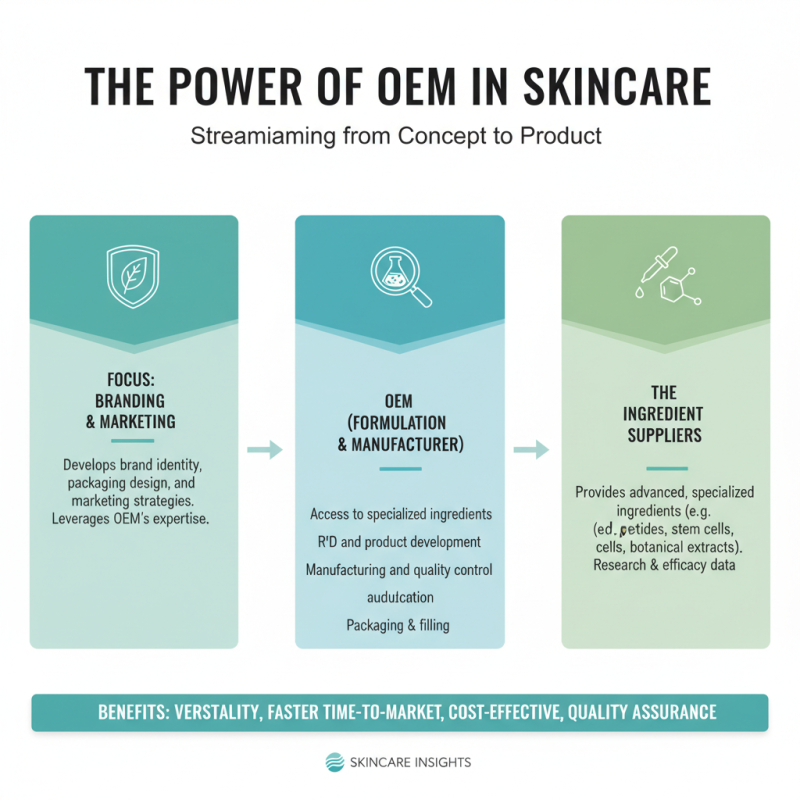
OEM, or Original Equipment Manufacturer, plays a crucial role in the skincare industry. It allows brands to create products using specialized ingredients without developing everything from scratch. For skincare manufacturers, this means versatility. They can focus on branding while leveraging the expertise of ingredient suppliers.
When considering OEM options for anti-aging ingredients, it’s essential to assess quality. Not all suppliers maintain the same standards. Poorly sourced materials can lead to ineffective products. This can hurt your brand’s reputation.
Tips: Always request samples before making bulk purchases. Testing the product is vital. Look for reviews or certifications on ingredients. This validates their credibility.
Creating effective anti-aging products involves more than just sourcing ingredients. It requires understanding how each component interacts. Many brands overlook the formulation aspect. A good ingredient can fail if not paired well. The balance is key.
Tips: Collaborate with skilled formulators. They can provide insights into ingredient interactions. Attend workshops to stay informed about advancements in skincare. This helps avoid stagnation in your offerings.
Wholesale purchasing of anti-aging skincare ingredients is gaining traction in the beauty industry. This trend is fueled by an increasing demand for effective formulations. According to a recent report by Grand View Research, the anti-aging market is projected to reach $271.6 billion by 2024. This growth opens up opportunities for businesses focusing on quality ingredients.
Understanding wholesale allows brands to optimize their production costs. By buying in bulk, manufacturers can reduce expenses on Anti-Aging Skin Care Ingredients. However, not every supplier maintains high standards. It is crucial to conduct thorough research on ingredient sourcing and supplier reliability. Transparency is key for companies looking to thrive in a competitive market.
The importance of quality cannot be overstated. Subpar ingredients can lead to ineffective products, harming a brand's reputation. A study from Statista shows that 43% of consumers prioritize ingredient transparency when shopping. Engaging with credible suppliers can enhance product effectiveness and consumer trust. It's a balancing act between cost and quality that requires careful consideration.
In the quest for youthful skin, many consumers turn to skincare products enriched with key anti-aging ingredients. Commonly used components include peptides, hyaluronic acid, and antioxidants like vitamin C. A 2021 industry report noted that the global anti-aging market is projected to reach $421 billion by 2028. This reflects a growing consumer demand for effective anti-aging formulations.
Peptides are essential in boosting collagen production, providing firmness and elasticity. Hyaluronic acid functions as a powerful hydrator, attracting moisture to the skin. Antioxidants combat free radicals, preventing premature aging. These ingredients work synergistically to create a youthful glow.
Tips: When choosing products, look for formulations that contain a blend of these ingredients. Keep an eye out for the term "Anti-aging Extract" on labels.
However, achieving desired results can be challenging. Not every product works for everyone. Individual skin types vary, and some users may experience sensitivity. Regular skin assessments are crucial. Adjusting routines based on personal responses can enhance effectiveness.
The demand for OEM wholesale Anti-aging Ingredients in skincare products is rising swiftly. Consumers are more aware of their skincare choices. They seek effective solutions for aging signs. As a result, brands are looking for innovative anti-aging ingredients, which can enhance their product lines. This trend suggests a shift in how skincare is formulated and marketed.
One notable trend is the focus on natural ingredients. Many consumers prefer products with a clean label. They want transparency about what they apply to their skin. Ingredients like hyaluronic acid and peptides are gaining popularity. However, brands must also navigate the complex landscape of ingredient claims. Sometimes, sourcing quality ingredients is a challenge. It can be hard to ensure the integrity of the supply chain.
Another aspect worth considering is the sustainability factor. Many brands are now pressured to adopt eco-friendly practices. This means they must evaluate the impact of their anti-aging ingredient sourcing. While there’s a demand for effective products, balancing efficacy and sustainability creates friction. Manufacturers need to reflect on their strategies. The road ahead may not be easy, but consumer preferences are clear; they want both efficacy and responsibility in their skincare choices.
When considering anti-aging skincare products, regulatory aspects play a crucial role. Many ingredients claim to reduce signs of aging, but not all have received approval from regulatory bodies. Brands must carefully review the regulations in their target markets. Ingredients must be tested for safety and efficacy before they can be marketed. This ensures consumer safety and product reliability.
Tips: Always check the ingredient list. Some components, though popular, may lack adequate testing. Transparency in testing is key.
It's important to remember that natural doesn't always mean safe. Some botanical extracts can cause skin irritation. Research is vital. Some common anti-aging agents may not work for everyone. Individual skin types react differently, requiring careful consideration.
Tips: Patch test new products. Don't rely solely on marketing claims. Understanding your skin is essential for effective use.
Ingredient sourcing plays a vital role in the effectiveness of skincare products.
High-quality anti-aging ingredients can lead to visible results. However, not all ingredients are created equal.
When choosing sources, it’s essential to assess their purity and origin.
Local sourcing can sometimes yield better quality.
Yet, globalization often places convenience over quality.
Many manufacturers prioritize cost over the integrity of the ingredients.
This can compromise product efficacy. Sourcing from reliable suppliers is crucial.
The sourcing process should include thorough testing for contaminants.
Quality testing ensures the final product is safe and effective.
The use of Anti-aging Supplements in formulations is gaining traction.
These ingredients should be sourced with care.
Transparency in ingredient sourcing fosters consumer trust.
Customers want to know what they’re applying to their skin. Yet, not all brands disclose their sourcing practices.
This leaves a gap in consumer knowledge. Reflecting on sourcing methods is essential for improvement.
The goal is creating products that truly benefit the skin.
Adopting rigorous sourcing standards can elevate the entire industry.
In the competitive world of skincare, choosing an OEM supplier for anti-aging ingredients is critical. Trustworthiness is a key factor in this partnership. A reliable supplier must deliver consistent quality and adhere to safety standards. Look for certifications and quality control measures. This ensures that the ingredients are effective and safe for consumers.
Evaluating a supplier’s trustworthiness can be challenging. Some may promise fast delivery but compromise on quality. Others may lack transparency in sourcing practices. Establish open lines of communication. Discuss each party’s expectations clearly. It’s important to ask for samples before committing to a large order. Test them rigorously to evaluate their effectiveness.
Be cautious, too. Reviews and feedback can help, but they can also be misleading. A single negative review should not define a supplier's overall reliability. Instead, look for patterns over time. Some smaller suppliers may offer unique ingredients at competitive prices. Take the time to build a relationship. Reflect on these dynamics as you assess potential partners.
| Ingredient Type | Source | Efficacy | Supplier Trust Score | Certifications |
|---|---|---|---|---|
| Hyaluronic Acid | Fermentation | Hydration & Plumpness | 4.5/5 | ISO 9001, GMP |
| Retinol | Synthetic | Anti-Aging & Cell Renewal | 4.8/5 | ISO 22716, ECOCERT |
| Peptides | Biotechnological | Firmness & Elasticity | 4.7/5 | Non-GMO, Halal |
| Vitamin C | Natural & Synthetic | Brightening & Antioxidant | 4.6/5 | Cruelty-Free, Vegan |
| Niacinamide | Natural | Moisture Retention & Repair | 4.4/5 | ISO 9001, GMP |
: The main purpose is to help users improve their daily activities.
It offers personalized suggestions based on user preferences and habits.
Most users can benefit, but some might find features irrelevant.
Yes, it may not work well in areas with poor connectivity.
Refer to the user manual or reach out for support options.
Generally, users report a straightforward setup process, but some face challenges.
Updates occur regularly, but timing may vary for different users.
Some features might require a subscription, but others are free.
Users appreciate many features but may mention occasional bugs.
Customization options exist, though not all users find them intuitive.
The article "What is OEM Wholesale Anti Aging Ingredients for Skincare Products?" provides a comprehensive overview of the roles OEM (Original Equipment Manufacturer) plays in the skincare industry, particularly concerning wholesale anti-aging ingredients. It explains the concept of wholesale in anti-aging products and discusses key ingredients commonly used in formulations, such as retinoids, peptides, and antioxidants, which are crucial for enhancing skin vitality.
Furthermore, the article explores current market trends impacting the demand for OEM wholesale anti-aging ingredients, alongside important regulatory considerations that ensure the safety and efficacy of these ingredients. The sourcing of ingredients is highlighted as a vital factor in navigating product efficacy, and the evaluation of supplier trustworthiness is emphasized for successful OEM partnerships to achieve high-quality skincare outcomes.