Magnolia Extract, derived from the bark of the Magnolia tree, has garnered interest for its potential health benefits. Research indicates that Magnolia Extract contains bioactive compounds like honokiol and magnolol, which may have anti-inflammatory and antioxidant properties. According to a report by Grand View Research, the global market for herbal supplements, including Magnolia Extract, is projected to reach USD 69.3 billion by 2027.
Several studies suggest that Magnolia Extract may help reduce stress and improve sleep quality. These findings are crucial as stress-related disorders are on the rise. A survey by the American Psychological Association revealed that nearly 75% of adults experience stress regularly. This highlights the need for natural remedies like Magnolia Extract that could contribute to mental well-being.
While Magnolia Extract shows promise, it is essential to approach its use with caution. More research is needed to understand the full range of its effects and potential side effects. As interest grows, consumers should remain informed and consider consulting healthcare professionals. The benefits of Magnolia Extract could play a role in holistic health, but a balanced perspective is vital.
What is Magnolia Extract?
Magnolia extract comes from the bark of the Magnolia tree. It's been used in traditional medicine for centuries. Many believe it promotes relaxation and improves overall health. Research indicates that Magnolia bark extract contains powerful compounds like honokiol and magnolol. These compounds may help reduce anxiety and support mental well-being.
A recent study published in the Journal of Ethnopharmacology noted significant effects of magnolia bark extract on stress levels. Participants reported a decrease in anxiety symptoms after supplementation. Moreover, a separate report showed that magnolia extract could enhance sleep quality. This is crucial, as poor sleep can lead to various health issues, including weakened immunity.
Despite these promising findings, the quality of magnolia bark extract varies widely. Not all products have the same potency. Some may contain lower levels of beneficial compounds, which can lead to less effective results. It’s essential to be cautious and do thorough research when considering supplements. Each individual's response can differ, making it vital to approach magnolia bark extract with careful thought.
Historical Uses of Magnolia Extract in Traditional Medicine
Magnolia extract has deep roots in traditional medicine. Cultures have used it for centuries. Ancient texts from Asia describe its benefits. Practitioners often utilized
Magnolia officinalis extract for its calming properties. It was common for treating anxiety and promoting relaxation.
In Chinese herbal medicine, this extract plays a significant role. Healers prescribed it for digestive issues and respiratory problems. The warmth of Magnolia officinalis extract soothed various ailments. Some people even used it to ease menstrual discomfort. These historical uses highlight its versatility.
Still, modern research is catching up. While many historical claims exist, scientific evidence is still limited. The blend of tradition and modern science needs more exploration. Connecting the ancient and the contemporary remains a challenge. Understanding how Magnolia extract works requires further study and reflection.
Key Compounds Found in Magnolia Extract
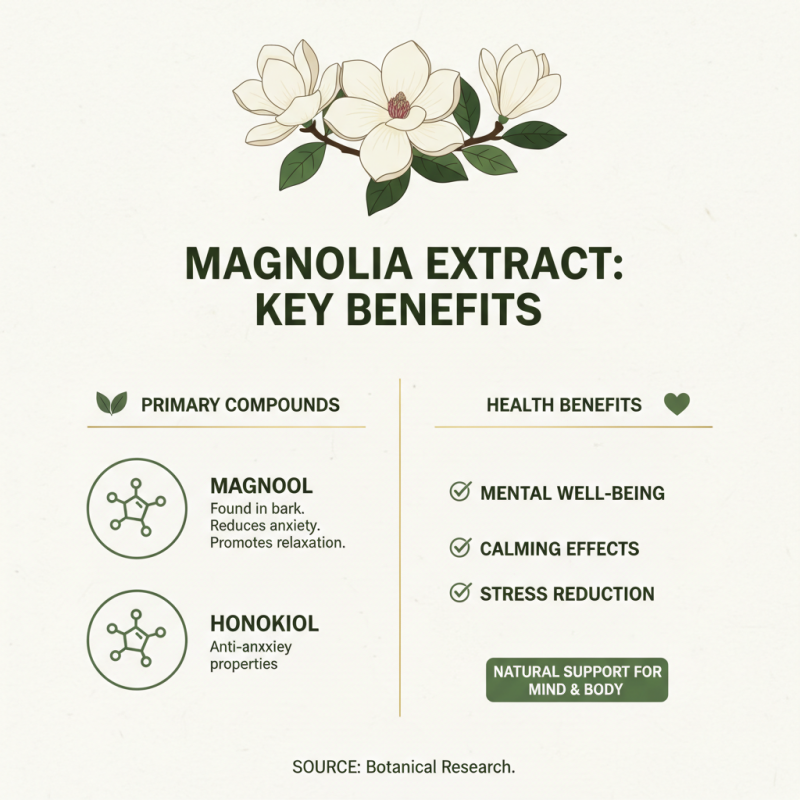
Magnolia extract contains several key compounds that contribute to its health benefits. One of the primary components is magnolol, a compound found in the bark of magnolia trees. Magnolol has shown promise in reducing anxiety and promoting relaxation. Its calming effects can support mental well-being. Another important compound is honokiol, which also offers potential anti-anxiety properties.
In addition to mental health benefits, magnolia extract features anti-inflammatory effects. This is largely attributed to its rich content of polyphenols. These compounds may assist in reducing inflammation in the body. Some studies suggest that magnolia extract could promote heart health. This is an area that needs more research for conclusive evidence.
Despite these positive attributes, not all effects are fully understood. Some individuals may experience side effects. These can include digestive issues or allergic reactions. Therefore, using magnolia extract may require caution. Always consult with a health professional before adding it to your routine.
Health Benefits of Magnolia Extract: An Overview
Magnolia extract has gained attention for its potential health benefits. Many people are curious about its properties. Derived from the magnolia tree, this extract has been used in traditional medicine for centuries. It contains active compounds like honokiol and magnolol, which offer various health advantages.
One of the notable health benefits is its calming effect. Magnolia extract may help reduce anxiety and promote better sleep. Some studies suggest it works by balancing neurotransmitters in the brain. Improved sleep can lead to increased focus and productivity during the day.
Tips: When considering magnolia extract, start with a small dose. Observing how your body reacts is essential. Not everyone will experience the same effects. Additionally, always consult a healthcare professional before trying new supplements. This way, you can ensure safety and effectiveness tailored to your needs.
Another benefit of magnolia extract is its anti-inflammatory properties. It may help alleviate symptoms of chronic conditions. However, some people report mild digestive discomfort when using it. This highlights the importance of monitoring your response. Adjusting the dosage or discontinuing use may be necessary for some.
Potential Side Effects and Considerations
Magnolia extract has gained attention for its health benefits, yet potential side effects deserve consideration. Common side effects can include digestive upset, headaches, or dizziness. These reactions vary from person to person. Some individuals may experience allergic responses, leading to rashes or itching. It’s crucial to be aware of your own body's reactions.
Moreover, magnolia extract may interact with medications. Those taking sedatives or blood thinners should consult healthcare professionals before use. This precaution is important; mixing substances can lead to unexpected complications. Pregnant or breastfeeding women must also proceed with caution. It’s wise to weigh the benefits against the risks.
While some people report improvements in stress and anxiety levels, not everyone may experience the same outcomes. It’s important to keep a journal of your responses. This self-reflection can assist in understanding how magnolia affects you personally. Health is highly individual; results may vary based on different factors like lifestyle and overall wellness.
How to Incorporate Magnolia Extract into Your Diet
Magnolia extract comes from the flowers and bark of the magnolia tree. This natural supplement offers several health benefits, including antioxidant effects. To gain these benefits, incorporating
magnolia extract powder into your diet can be quite easy.
One way to use it is by adding magnolia extract powder to smoothies. Just a teaspoon can elevate your drink's nutrition. Blend it with fruits and leafy greens for a health boost. Mixing it into yogurt is another option. It enhances flavor while providing your body with beneficial compounds. Easy, right?
Tips: Experiment with baking. Add magnolia extract powder to muffins or pancakes for a unique twist. Be aware that flavors may change a bit. Not everyone enjoys it the same way.
Some people may have sensitive reactions. Be cautious when trying it for the first time. Start with a small amount. Write down how you feel after consuming it. This can help you determine if it's right for you. Keep an eye on your body's responses, and adjust your intake as needed.
Current Research and Future Directions in Magnolia Extract Studies
Recent studies have explored the potential health benefits of
natural Magnolia extract.
This extract originates from the bark, flowers, and leaves of the magnolia tree, known for its bioactive compounds.
Research indicates that it may have anti-inflammatory and
antioxidant properties. These findings are promising, but more studies are crucial to establish definitive health claims.
Future research directions could focus on dosage and bioavailability.
Understanding how much of the natural Magnolia extract is effective will guide its use in healthcare.
Additionally, exploring its effects on different populations can unveil broader applications.
Researchers aim to conduct clinical trials that provide clearer insights into its safety and efficacy.
There is a need to refine these studies to overcome previous limitations.
Despite the encouraging results, challenges persist. Some studies show inconsistent findings.
This raises questions about the extracts' mechanisms and effects.
Further investigation is necessary to determine the long-term benefits.
Engaging diverse research teams may uncover new perspectives on this intriguing herbal remedy.
Exploring the Benefits and Applications of Haematococcus Pluvialis Extract: The Power of Astaxanthin Powder
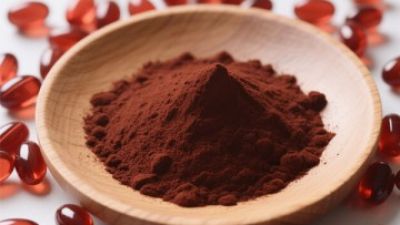
Haematococcus pluvialis extract has gained significant attention in recent years due to its rich concentration of astaxanthin, a powerful antioxidant known for its diverse health benefits. Produced in harsh environmental conditions, Haematococcus pluvialis is a microalga that can synthesize up to 4% of its dry weight in astaxanthin, making it one of the most potent natural sources of this compound. Research indicates that astaxanthin exhibits 6000 times more antioxidant capacity than vitamin C, contributing to its efficacy in combating oxidative stress and supporting overall skin health.
Astaxanthin powder is widely utilized in various applications, particularly in cosmetics and skincare, due to its anti-aging properties. Its ability to protect skin against UV damage and promote skin elasticity makes it an invaluable ingredient in modern beauty products. Furthermore, studies demonstrate that astaxanthin enhances skin moisture levels and aids in reducing the appearance of fine lines and wrinkles, positioning it as a vital component in anti-aging formulations. With specifications ranging from 1%-5% concentration, the dark red fine powder is slightly soluble in ethanol, which facilitates its incorporation into a variety of cosmetic applications.
Additionally, astaxanthin supplements are gaining traction among health-conscious consumers. With its promising effects on physical endurance and recovery, astaxanthin is a sought-after ingredient for athletes and active individuals. The product is available in customizable packaging ranging from 1 to 25 kg, ensuring flexibility for manufacturers seeking to incorporate this exceptional extract into their product lines. With a shelf life of two years and multiple certificates affirming its quality, such as ISO22000 and Kosher, the appeal of astaxanthin continues to grow in both dietary and cosmetic markets.
FAQS
: The focus is on understanding key concepts and details. Clarity is crucial for anyone interested.
Individuals seeking knowledge can gain insights. Both beginners and experienced people might find value.
Yes, many encounter misunderstandings. Issues can arise from complex details or lack of experience.
Take a moment to reflect. Revisit the basics; don’t hesitate to ask questions.
Practice regularly. Real-life application can help solidify understanding and retention.
Everyone learns differently. Experiment with various techniques. Find what suits you best.
Absolutely. Errors often lead to deeper understanding. Reflecting on them can promote growth.
Frequent review is helpful. It reinforces concepts and uncovers new insights over time.
Yes, multiple platforms offer valuable information. Seek those that align with your interests.
It’s natural to have lingering questions. Engage with communities for answers and support.
Conclusion
Magnolia Extract is a natural compound derived from the bark of the magnolia tree, traditionally used in ancient medicine for its therapeutic properties. It contains active compounds such as honokiol and magnolol, which are believed to contribute to its health benefits, including anti-inflammatory, antioxidant, and anxiety-reducing effects. Historically, magnolia has been utilized for its potential to support digestive health and promote relaxation, making it a valuable addition to various traditional remedies.
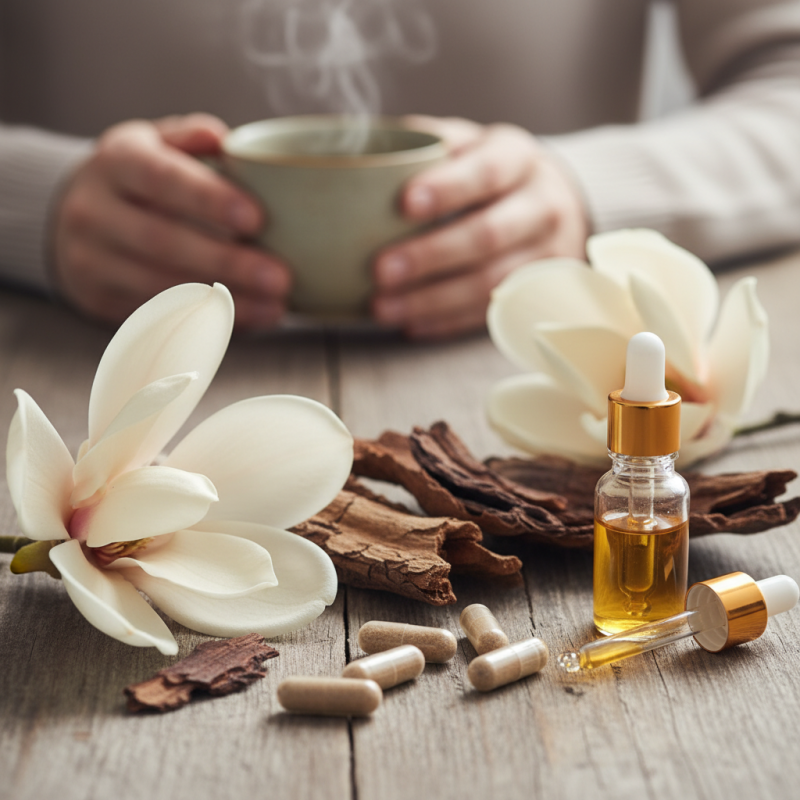
Recent studies highlight the growing interest in Magnolia Extract for its promising health applications, although potential side effects and interactions need careful consideration. Incorporating Magnolia Extract into one’s diet can be done through supplements or herbal teas. Ongoing research aims to further elucidate its health benefits and explore new therapeutic avenues, indicating a bright future for Magnolia Extract in holistic health practices.