Lately, there's been a real buzz around health and wellness, and that means more folks are turning to dietary supplements. One that's been getting a lot of attention is Resveratrol—people are really curious about its potential benefits.
I read somewhere that the global market for resveratrol might hit around $60 million by 2026.
That’s mostly because more and more consumers are realizing its antioxidant powers and how it could help support heart health.
Here at Botanical Cube Inc., building on the strong foundation laid by our parent company, Xi'an Tianben Bioengineering Co., Ltd., we’re passionate about pushing the envelope with natural, innovative ingredients.
Looking ahead, our goal is to keep boosting overall health and wellness, especially for folks out there looking for effective ways to feel their best and stay healthy.
It’s an exciting journey, and we’re all in on making a difference!
The Science Behind Resveratrol: Understanding Its Health Benefits and Mechanisms
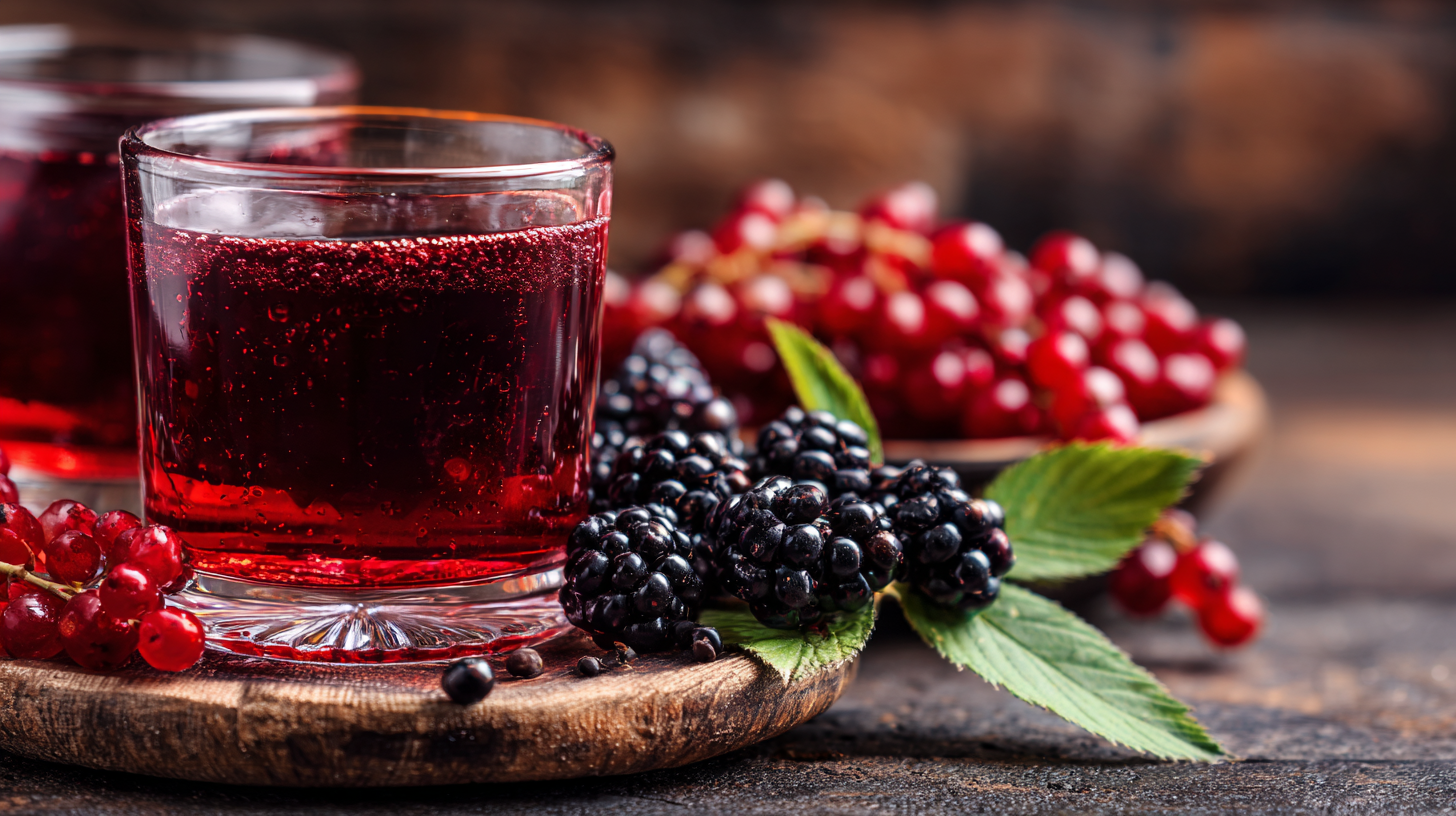
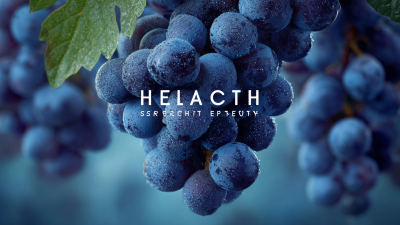
Resveratrol is this natural compound you find in red wine, grapes, and some berries. It's been getting a lot of buzz lately because of its potential health perks, you know? Basically, resveratrol acts like an antioxidant, helping your body fight off oxidative stress. That can mean less inflammation and maybe even better heart health by supporting how your blood vessels work. Plus, there's talk that it activates these proteins called sirtuins, which are linked to aging and living longer. So, it might even help with metabolism and potentially extend your lifespan.
If you're thinking about taking resveratrol supplements, just make sure to go for high-quality products that actually have enough of the good stuff to make a difference. And, honestly, it's always smart to check in with a healthcare pro before jumping in, just to make sure it fits your personal health situation. Also, don’t forget — eating a balanced diet packed with fruits and veggies can really boost the effects, since they’re loaded with antioxidants too.
Oh, and sticking with regular exercise definitely amps up the benefits. Staying active not only keeps you fit but seems to work hand-in-hand with resveratrol to improve your overall metabolic health. So yeah, it’s pretty much about combining good nutrition, activity, and maybe a supplement here and there for the best shot at feeling your best.
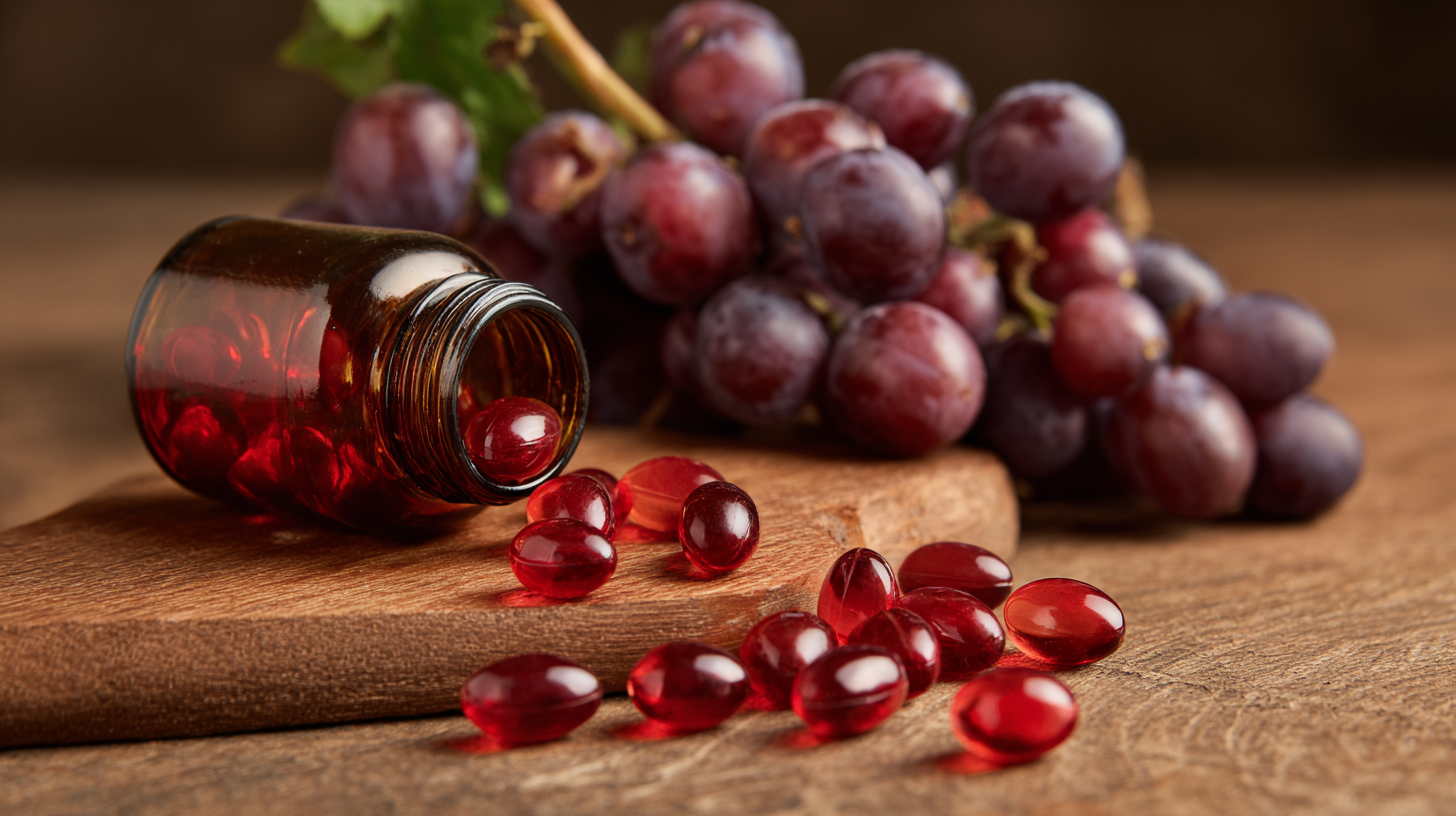
Top Resveratrol Supplements: A Comparison of Best Products and Brands
Resveratrol — you've probably heard about it, right? That potent polyphenol found in red wine, grapes, and some berries. It’s been getting a lot of buzz lately, mainly because folks are excited about its potential health perks, especially when it comes to heart health and just feeling like you’re aging gracefully. I read somewhere that the global market for resveratrol is expected to hit around $1.6 billion by 2027. No wonder so many health-conscious people are jumping on the bandwagon. With all the supplement brands popping up these days, it’s kinda overwhelming — everyone claims to have the best formula. So, figuring out what’s legit can be tricky.
When you're shopping for a top-notch resveratrol supplement, it’s a good idea to pay attention to a few things: how well the body absorbs it (that’s bioavailability), the actual dose per serving, and what extra ingredients might be in there. Brands like NOW Foods and ReserveAge tend to offer solid options with standardized extracts, which means you’re more likely to get the real deal and better absorption. Most studies suggest that taking anywhere from 100 to 500 mg daily does the trick, so make sure whatever you pick clearly states the dosage per serving.
Pro tip: Always check if the product has third-party testing—that's your way of making sure it’s pure and potent. Also, pairing resveratrol with other antioxidants might boost its health benefits even more. Do some homework, choose reputable brands, and you’re on your way to better health—and hopefully, feeling great for years to come.
How Resveratrol Supports Wellness: Effects on Aging and Chronic Diseases
Have you heard about resveratrol? It's this natural compound found in the skins of red grapes and some berries—kind of like a little miracle ingredient that’s been getting a lot of buzz lately. People are really excited about its potential health perks, especially when it comes to fighting off aging and chronic illnesses. Basically, research shows that resveratrol can boost the function of mitochondria—the tiny powerhouses inside our cells that produce energy and help with cellular repair. Just recently, in September 2023, a study pointed out that taking resveratrol supplements might actually improve the quality of these mitochondria, which could mean a lower risk for stuff like heart disease and diabetes. Plus, industry reports are predicting that more and more folks worldwide are jumping on the resveratrol bandwagon, thanks to growing awareness of how good it can be for our health.
Tip 1: If you’re thinking about taking resveratrol, try to pair it with a balanced diet packed full of antioxidants. Stuff like berries, nuts, and leafy greens can really boost its effects and help you feel your best overall.
And here’s another cool thing—resveratrol has anti-inflammatory properties, which are super helpful for supporting a healthy aging process. Chronic inflammation is linked to a bunch of age-related diseases, so adding resveratrol to your daily routine might actually help keep inflammation in check. Studies have shown that folks who regularly consume resveratrol tend to have lower levels of inflammation markers in their blood, which suggests it could offer some protection against developing chronic illnesses.
Tip 2: When you’re picking out a resveratrol supplement, check for ones with high bioavailability—meaning your body can absorb it easily. That way, you’re getting the most out of it.
Emerging Research in Resveratrol: Future Trends and Innovative Applications
Hey, have you heard about the latest on resveratrol? It’s pretty exciting because new research is really changing how we see its potential health perks. This natural compound, found in grapes and berries, might actually help boost heart health by making blood vessels work better and dialing down inflammation. A report from the Nutraceuticals Research Institute in 2022 even mentioned that folks over 50 taking resveratrol saw about a 15% drop in risk factors related to heart disease. That’s pretty promising, right? It seems like adding resveratrol into your daily routine could be worth a shot.
But here’s the cool part — it’s not just about heart health anymore. Scientists are now looking into how resveratrol could support brain health too. One study in the Journal of Neurochemistry showed that its antioxidant powers might help protect against nastier neurodegenerative diseases like Alzheimer’s. It could even help improve memory and thinking skills in older folks. And with the nootropic market expected to hit over $6 billion by 2025, putting resveratrol into mental health products could really catch on with people wanting to stay sharp. As research keeps coming in, the future of resveratrol supplements looks pretty bright — like, a whole lot of new health and wellness options just around the corner.
The Future of Resveratrol Supplements Enhancing Health and Wellness Solutions
| Research Area |
Key Findings |
Future Trends |
Innovative Applications |
| Antioxidant Activity |
Resveratrol shows strong antioxidant properties, reducing oxidative stress. |
Increased focus on bioavailability and targeted delivery systems. |
Incorporation into functional foods and beverages. |
| Cardiovascular Health |
Potential for reducing risk factors associated with heart disease. |
Growth in supplements aimed at enhancing heart health. |
Combination products with omega-3s for improved outcomes. |
| Anti-Aging Effects |
Research suggests resveratrol may slow aging at the cellular level. |
Emerging interest in anti-aging formulations. |
Cosmetic products and skin creams with resveratrol. |
| Metabolic Disorders |
May help in managing blood sugar levels and metabolic syndrome. |
Increased development of formulations for metabolic health support. |
Integration into weight management supplements. |
| Neuroprotective Benefits |
Potential protective effects on brain health and cognitive function. |
Rising focus on neurological health in supplementation trends. |
Brain health supplements targeting older adults. |
Integrating Resveratrol Into Your Daily Routine: Practical Tips and Recommendations
Getting resveratrol into your daily life isn't hard—and honestly, it can be pretty rewarding too. It’s known for a bunch of potential health perks, like better heart health and even helping you live a bit longer. One of the easiest ways to do this is through the foods you already eat. Things like red grapes, blueberries, and dark chocolate are packed with this powerful antioxidant. So, why not toss some berries into your morning smoothie or treat yourself to a small piece of dark chocolate in the afternoon? It’s simple and kinda satisfying.
If you’re into supplements, just make sure to pick a good-quality resveratrol product. Look for ones that include black pepper extract too—this combo actually helps your body absorb it better. Remember, resveratrol works even better when you pair it with other healthy habits, like working out regularly and eating a well-rounded, nutrient-rich diet. Combining all these things not only boosts the benefits but also helps you feel good overall. It’s all about making small, manageable changes that add up to a healthier, happier you.
The Future of Resveratrol Supplements: Health Benefits Over Time
This chart illustrates the potential health benefits of resveratrol supplements over the years based on various studies. The data shows an increase in reported health benefits as awareness and research grow.
Potential Side Effects and Considerations for Resveratrol Supplementation
Resveratrol has really gained popularity as a supplement these days, mainly because many folks believe it might offer some health perks—especially when it comes to anti-aging and reducing inflammation. While there’s definitely some promising research out there, highlighting things like its ability to modulate the immune system and fight off certain microbes, it’s important to keep a few things in mind before jumping in. For starters, some people might experience side effects like stomach upset or headaches, and it could even interact with medications you’re already taking. So, it’s a smart idea to chat with a healthcare professional before adding it to your routine, especially if you have any existing health issues.
Also, not all resveratrol supplements are created equal—there’s a lot of variation between products on the market, which is why it’s crucial to choose brands that are transparent and trustworthy. A recent in-depth review pointed out the wide range of potential health benefits but also emphasized that we still need more solid clinical studies to really back up these claims. So, as with anything you plan to supplement with, it’s all about weighing the potential goodies against the risks to make an educated choice for your health and wellbeing.
Unlocking the Power of Fisetin: The Benefits of Cotinus Coggygria Supplement Powder for Health and Wellness
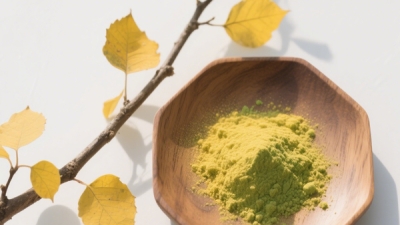
Fisetin, a naturally occurring flavonoid found in fruits and plants, is gaining attention for its remarkable health benefits. Particularly, Cotinus Coggygria Supplement Powder, rich in Fisetin, has emerged as a powerful ally in promoting overall wellness. Studies have demonstrated that Fisetin showcases potent antioxidant properties, combating oxidative stress and helping to protect cells from damage. This supplement is not only beneficial for skin health, aiding in improved elasticity and hydration, but it may also play a vital role in the anti-aging process.
The high purity of this supplement, with a specification of 98% Fisetin and a CAS No. of 528-48-3, sets it apart in the market. Its yellow to brown appearance indicates a high-quality product, and it is readily soluble in ethanol, methanol, and DMSO, making it easy to incorporate into various formulations. Packaged for convenience, with sizes ranging from 1 to 25kg, this Fisetin supplement caters to both personal and commercial needs. Additionally, it boasts certifications such as ISO22000, Kosher, and Organic, ensuring that you are investing in a reliable and safe product for your health and wellness journey.
FAQS
: Resveratrol is a natural compound found in red wine, grapes, and certain berries, known for its potential health benefits.
Resveratrol acts as an antioxidant, helping to combat oxidative stress, lower inflammation, enhance cardiovascular health, and may activate proteins linked to aging and longevity.
If considering resveratrol supplements, it's important to look for high-quality products with adequate dosages and consult with a healthcare professional for personalized advice.
Yes, you can incorporate resveratrol into your diet by consuming foods rich in the compound, such as red grapes, blueberries, and dark chocolate.
Incorporate resveratrol by adding a serving of berries to your smoothie or enjoying a small piece of dark chocolate as a snack.
To enhance absorption, look for resveratrol supplements that include black pepper extract, as this combination can improve bioavailability.
Yes, a balanced diet rich in various fruits and vegetables complements the effects of resveratrol and provides additional antioxidants.
Regular exercise can further enhance the benefits of resveratrol on metabolic health, making it a great addition to a wellness routine.
Pairing resveratrol with regular exercise and a diet rich in whole, nutrient-dense foods can optimize its health benefits and support overall wellness.
Conclusion
In today’s fast-changing world of health and wellness, Resveratrol supplements have really caught people’s attention lately. You know, Resveratrol is that natural compound found in some plants—stuff like grapes and berries—that’s been linked to some pretty cool health perks. It’s known for its antioxidant power, which can help keep our cells healthy and might even slow down aging or help with certain chronic illnesses. In this blog, I want to dig into what science says about Resveratrol, take a look at some of the top supplements out there, and chat about new research that could open up some exciting future uses.
Plus, I’ll share some practical tips on how to fit Resveratrol into your everyday routine so you can actually enjoy the benefits without hassle. Of course, while the benefits sound pretty awesome, it’s also important to be aware of any possible side effects and to think about what your own body needs. At Botanical Cube Inc., they’re really dedicated to creating high-quality Resveratrol products and helping people live healthier lives. Honestly, it’s exciting to see how this could shape the future of wellness, don’t you think?