Leave Your Message


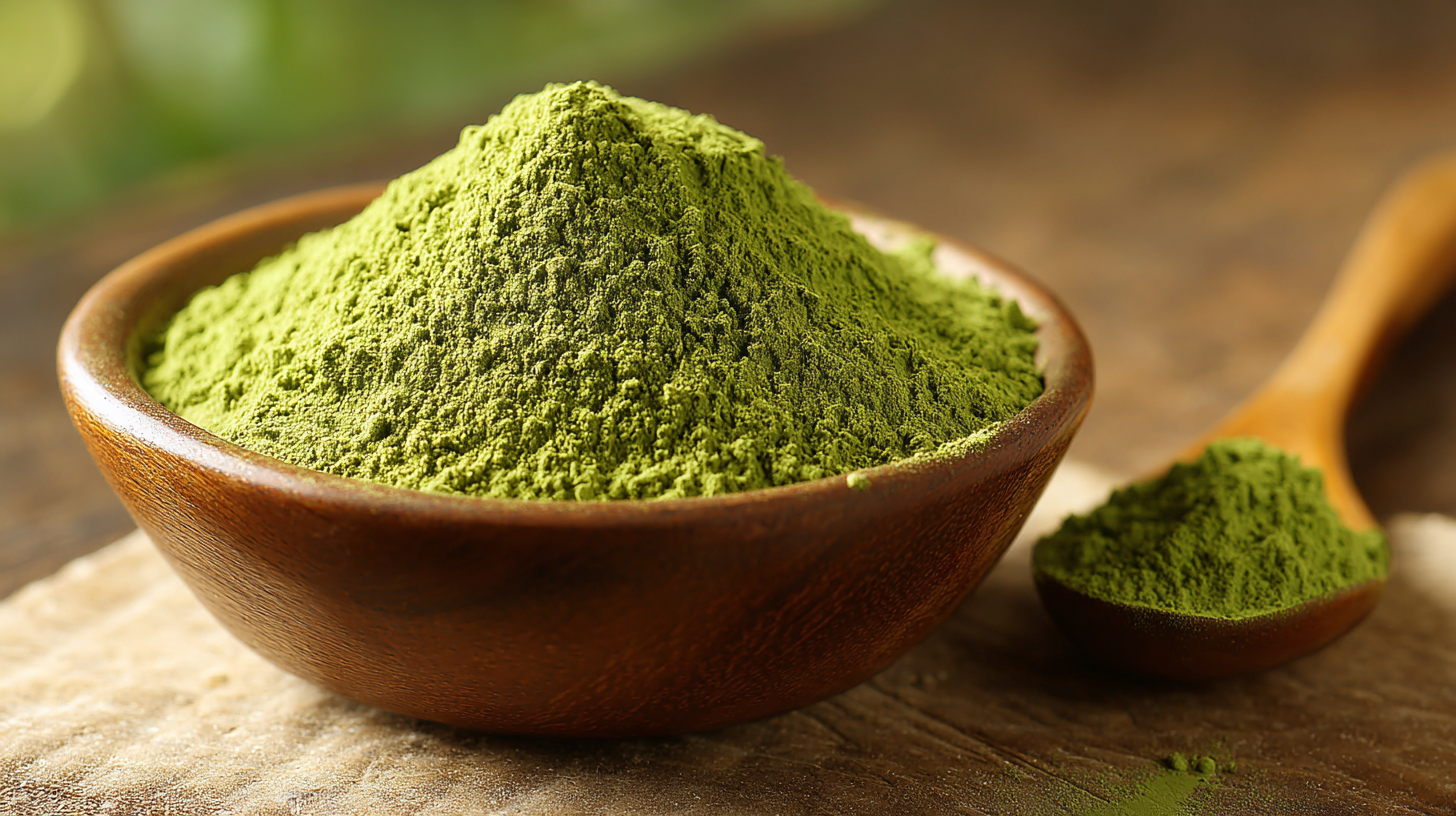
There's no doubt the global demand for natural health products is booming. Take Wheat Grass Juice Powder—the market is on track to top about USD 2.5 billion by 2025, according to industry reports. Botanical Cube Inc. sits at the forefront of this space, built on the solid foundation of its parent company, Xi'an Tianben Bioengineering Co., Ltd., and is dedicated to researching and producing the finest natural ingredients. For companies looking to go global, getting export certifications right is essential, especially for a product like Wheat Grass Juice Powder that's praised for its nutrition and antioxidant properties. A solid grasp of regulatory requirements not only smooths export processes but also widens market access and boosts consumer trust in an increasingly competitive global scene.
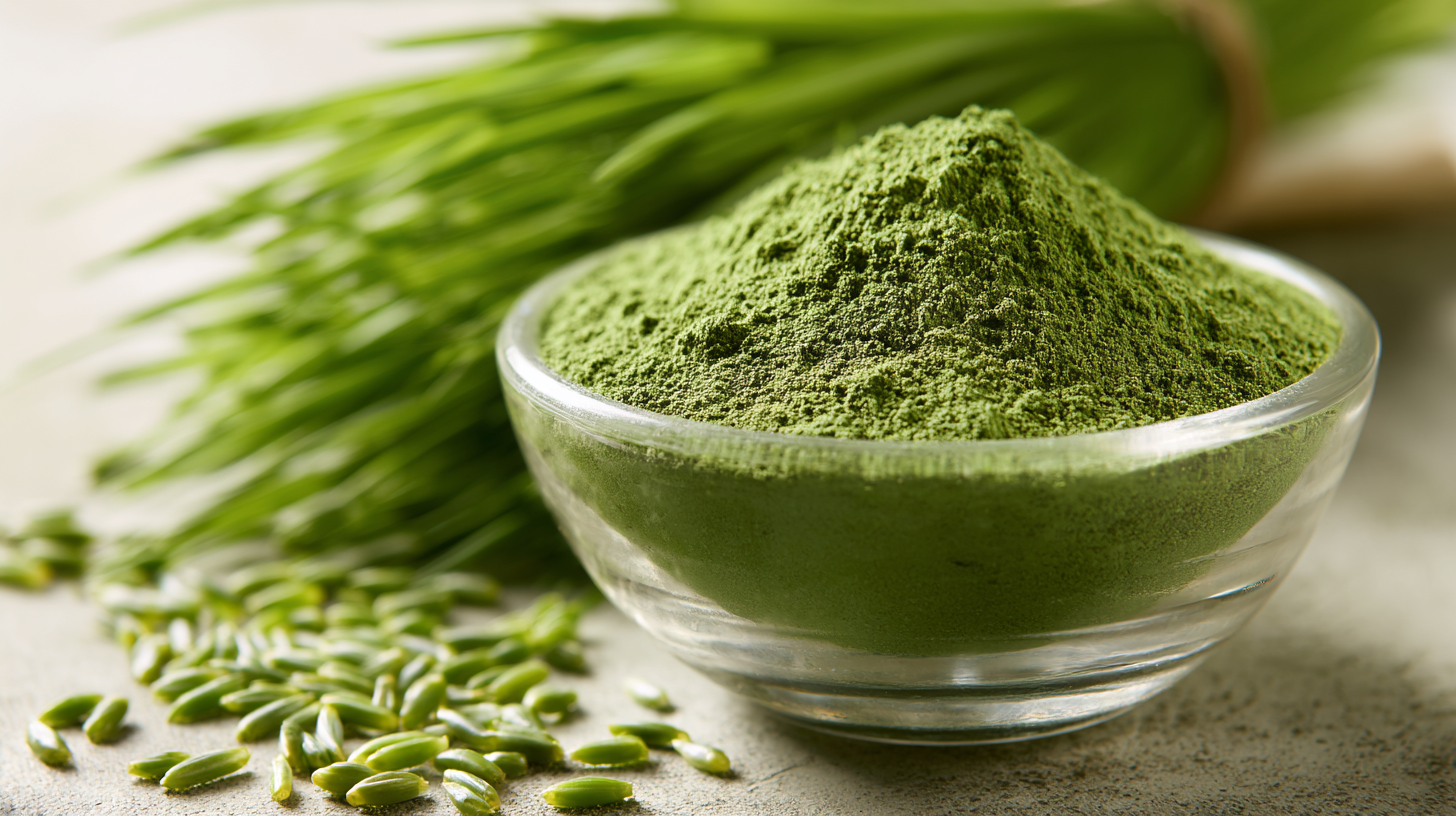
Stepping into the global market for wheat grass juice powder means getting a solid sense of the export certifications that actually shape market access and consumer trust. As of 2023, the worldwide wheatgrass products market was valued at about USD 190.2 million, with forecasts pointing to a substantial rise to roughly USD 346.74 million by 2032. That kind of growth isn’t a coincidence—it reflects the growing demand for vitamin- and mineral-rich products that wheat grass juice powder is known for. For exporters, obtaining certifications such as USDA Organic, Non-GMO Project Verified, and FDA approval can boost product credibility and help you reach buyers in international markets.
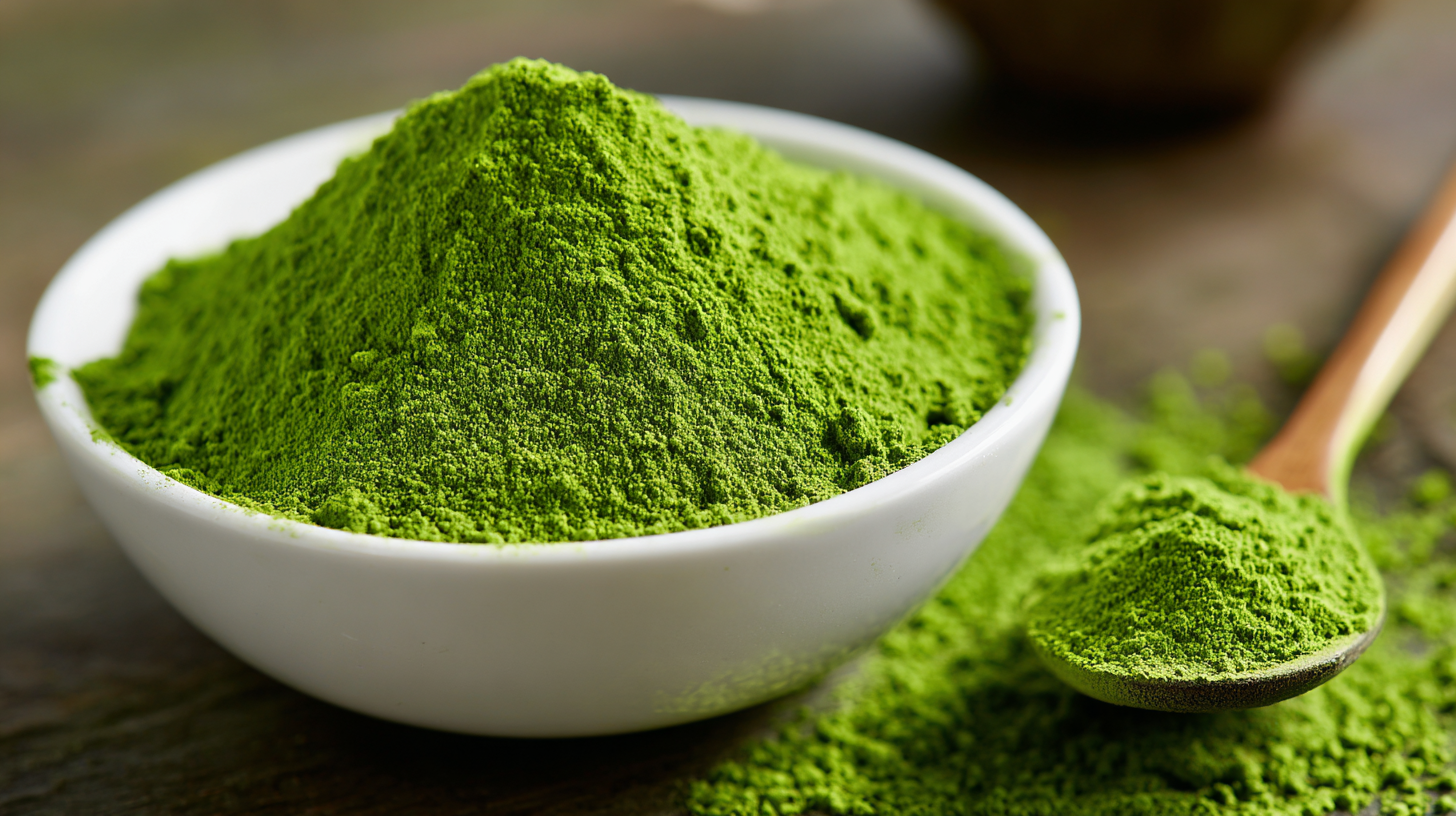
When you look at the nutrition, wheat grass juice powder is pretty impressive. Studies show high levels of essential vitamins, minerals, and amino acids. For example, a pilot study found that just 100 ml of wheat grass juice contains significant concentrations of vitamins C, E, and K, along with several B vitamins. The amino acid content adds even more health benefits, hinting at a potential role in supporting hematological health. So, understanding and securing the necessary export certifications isn’t just about compliance; it’s about meeting the needs of a health-conscious consumer base that’s after high-quality, certified products.
Harnessing the Power of Natural Ectoin Extract Powder for Skin Health and Resilience
Natural Ectoin Extract Powder has emerged as a vital ingredient in skincare, renowned for its exceptional ability to enhance skin health and resilience. With a specification of 98% purity, this white to off-white powder is not only effective but also versatile, making it an ideal choice for various skincare applications. Its solubility in water and slight solubility in ethanol allows for easy incorporation into formulations. Whether you're looking to combat the signs of aging, boost hydration, or simply enhance your skin's overall appearance, Ectoin can provide impressive results.
The powerful moisturizing properties of Ectoin are complemented by its ability to protect the skin from environmental stressors. This makes it particularly valuable for those frequently exposed to pollutants, UV radiation, and other external aggressors. With certifications including ISO22000, Kosher, and USDA Organic, consumers can be assured of the quality and safety of Ectoin products. Available in bulk and offered with customizable packaging, this ingredient is suitable for both personal use and professional skincare lines. Plus, the fact that samples are offered for free encourages exploration of this remarkable compound in diverse formulations. Enjoy the benefits of healthier, more resilient skin with Natural Ectoin Extract Powder as part of your skincare regimen.
: The global wheat grass products market was valued at approximately USD 190.2 million in 2023.
Important certifications for exporters include USDA Organic, Non-GMO Project Verified, and FDA approval.
The market for wheat grass products is projected to grow to approximately USD 346.74 million by 2032.
Wheat grass juice powder is rich in essential vitamins (C, E, K, and various B vitamins), minerals, and amino acids, which may improve hematological health.
The European Union requires compliance with food safety regulations, including testing for pesticide residues, heavy metals, and microbiological contaminants.
The FDA requires accurate labeling and adherence to Good Manufacturing Practices (GMP) for wheat grass juice products.
A survey found that 72% of consumers consider certifications as an essential factor when purchasing health products.
Understanding country-specific certification requirements ensures compliance with regulatory standards and helps exporters compete effectively in international markets.
Obtaining certifications can enhance product credibility and expand market reach, which is increasingly important for health-conscious consumers.
The increasing preference for products rich in vitamins and minerals, combined with the health-conscious consumer trend, has driven the demand for wheat grass juice powder.