Manufacturing is changing so fast these days, it's hard to keep up! If you're in the game, understanding the difference between OEM and ODM could be a real game-changer for your business. I read a pretty interesting report from Deloitte recently — it says the global market for OEM and ODM services is expected to hit around $300 billion by 2025. Crazy, right? That kind of growth opens up a lot of opportunities, especially for brands like Goji Extract, to really make the most of these manufacturing models.
Okay, so let's break it down a bit. OEM stands for Original Equipment Manufacturer. Basically, these are companies that make products to be sold under someone else’s brand name. Think of them as the behind-the-scenes guys. ODM, or Original Design Manufacturer, does a bit more—they not only produce but also design products based on what a brand specifies. Both play crucial roles in getting products to market, but their differences can be pretty significant. It's a common misconception that manufacturing options are all the same — but honestly, those little nuances can be the difference between success and failure.
Sometimes, businesses don’t realize how much choosing the right model can actually help them out. For example, sticking only with an OEM might hold back your creativity and innovation. On the flip side, working with an ODM can unlock new possibilities for developing products. When it comes to natural stuff like Goji Extract, finding the right balance between these two approaches can lead to some really amazing results. Just getting a clear idea of how to use these models effectively is key if you want to boost your manufacturing game and, ultimately, stand out in the market.
Definition of OEM and ODM Manufacturing
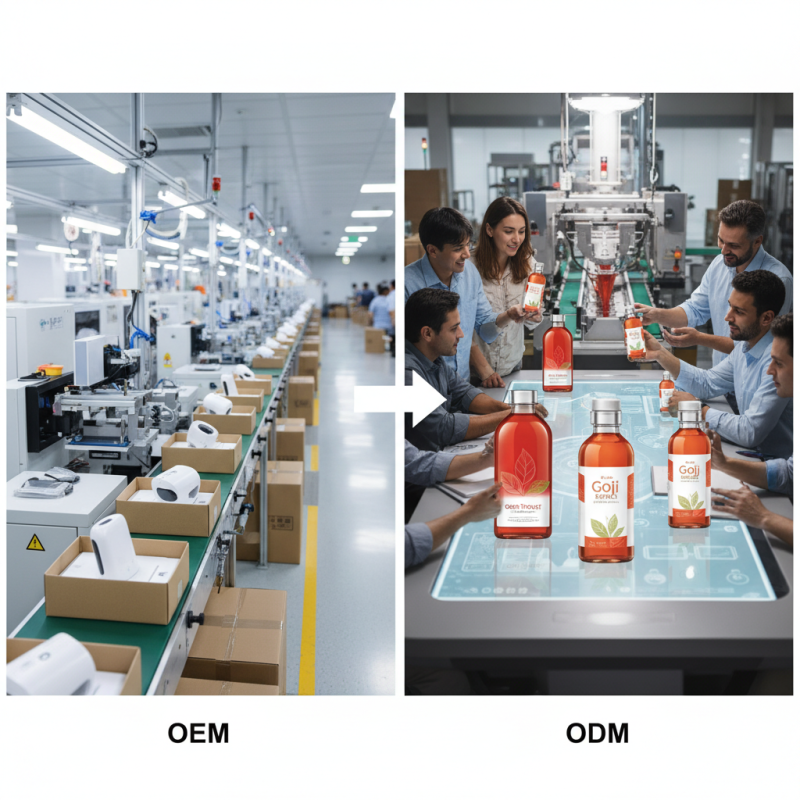
OEM, or Original Equipment Manufacturer, refers to companies that create products based on designs and specifications provided by another company. This relationship often involves taking a concept and bringing it to life. For instance, an OEM might produce electronics that bear the brand's name, but the manufacturing is done elsewhere. This allows brands to focus on marketing and sales while leveraging the expertise of manufacturers.
On the other hand, ODM, or Original Design Manufacturer, takes a step further. An ODM not only manufactures products but also designs them. They create unique items that clients can label as their own. This model can be beneficial for companies lacking design capabilities. However, this approach can lead to less control over product uniqueness. Sometimes, relying on an ODM may result in products that aren't fully aligned with a company's vision.
While both models offer advantages, they come with challenges. Companies must carefully consider quality and design control. Striking a balance can be difficult. Engaging with OEMs and ODMs requires clear communication to ensure expectations align. The interaction can be complex, and misunderstandings might arise, impacting the final output.
Key Characteristics of OEM Manufacturing
OEM manufacturing focuses on producing goods based on specifications provided by a client. The key characteristic of OEM is that it allows companies to outsource product creation while retaining control over the design. Often, the final products carry the client's branding, even though they are manufactured by another entity. According to a recent industry report, more than 70% of companies leverage OEM capabilities to enhance their production efficiency.
Communication between clients and manufacturers is crucial. Misunderstandings can lead to defects. A lack of clear specifications can result in delays and increased costs. It’s worth noting that OEM partners often require strict quality control procedures. Research indicates that 50% of companies using OEM practices experience challenges in maintaining quality consistency.
Product innovation can also be impacted. While OEM allows companies to bring products to market faster, it might stifle creativity. Relying solely on external manufacturers may lead to homogenized offerings. This trend highlights the need for businesses to balance operational efficiency with unique product development in today's competitive landscape. The combination of OEM and ODM manufacturing creates a dynamic environment where adapting to market demands is vital, especially in sectors like health and wellness, where trends evolve quickly.
Key Characteristics of ODM Manufacturing
ODM manufacturing stands out for its unique characteristics. Unlike OEM, which primarily focuses on producing according to designs provided by clients, ODM offers a different approach. Here, manufacturers design and develop products based on market needs. This method allows for creativity and innovation. Brands can then focus on marketing rather than product development.
Another key trait of ODM manufacturing is the flexibility it provides. Manufacturers often have extensive expertise in various industries. This allows them to adapt designs quickly. However, this can lead to challenges. Sometimes, the product may not align perfectly with the brand's vision. Clear communication is crucial. Companies must articulate their ideas effectively to avoid misunderstandings.
Additionally, ODM can streamline production timelines. With established designs, time to market can decrease. But, there are risks. Manufacturers might not fully capture the brand's essence. This can create inconsistencies. Brands might face difficulties in building a distinct identity. Careful planning and strategic collaborations are vital in overcoming these hurdles and ensuring successful outcomes.
What is the Difference Between Oem and Odm Manufacturing? - Key Characteristics of ODM Manufacturing
| Characteristic |
OEM Manufacturing |
ODM Manufacturing |
| Design Responsibility |
Client Designs the Product |
Manufacturer Designs the Product |
| Intellectual Property |
Client Owns IP |
Manufacturer Owns IP |
| Flexibility in Product Changes |
Limited to Client Specifications |
High Flexibility for Innovation |
| Production Scale |
Usually Large Scale |
Can Be Small to Large Scale |
| Quality Control |
Client Sets Standards |
Manufacturer Sets Standards |
| Time to Market |
Longer due to Design Process |
Shorter due to Pre-Designed Options |
Major Differences Between OEM and ODM
When exploring the world of manufacturing, understanding the distinction between OEM and ODM is crucial.
OEM, or Original Equipment Manufacturer, focuses on producing products based on specific designs provided by companies. This means they take detailed specifications and create the product accordingly. However, this can limit creativity and innovation, as the design is fully dependent on external input.
On the other hand, ODM, or Original Design Manufacturer, offers something different. They create their own designs and products. This allows for greater innovation, as the manufacturer has more freedom to explore various concepts. Businesses can choose to put their brand on these creations. But, partnering with an ODM may lead to challenges in ensuring the final product perfectly aligns with a company’s vision.
An example of consideration in choosing between these models is the “oem odm extract manufacturer.” They may provide unique products but may not always guarantee the exact standards a company expects. Flexibility comes with trade-offs, and understanding these dynamics is vital for any business aiming to enhance its product line. This decision deserves thoughtful analysis and reflection from all stakeholders involved.
Benefits of Choosing OEM Manufacturing
When companies choose OEM manufacturing, they often find significant benefits. An industry report from Global Market Insights indicates that the OEM market is projected to grow at a CAGR of 7% through 2027. This rapid growth shows how businesses are leaning towards OEM solutions. Thus, manufacturers can focus on creating innovative products while leaving production intricacies to specialists.
One notable advantage of OEM is cost efficiency. By outsourcing production, companies can reduce overhead costs, which can be reinvested into marketing or R&D. For instance, some reports reveal that firms save up to 30% in production costs when opting for OEM. This allows them to explore high-demand products like
OEM Ginseng Extract. The quality of ingredients is generally maintained, yet the focus on other business aspects can lag.
However, it’s essential to recognize that OEM manufacturing has its challenges. Communication can sometimes break down between partners, leading to product inconsistencies. Additionally, companies might face difficulties in maintaining quality control over outsourced products. While many manufacturers thrive with OEM methods, a lack of oversight could result in unrecognized issues. Balancing efficiency and quality is crucial for success in this space.
Benefits of Choosing ODM Manufacturing
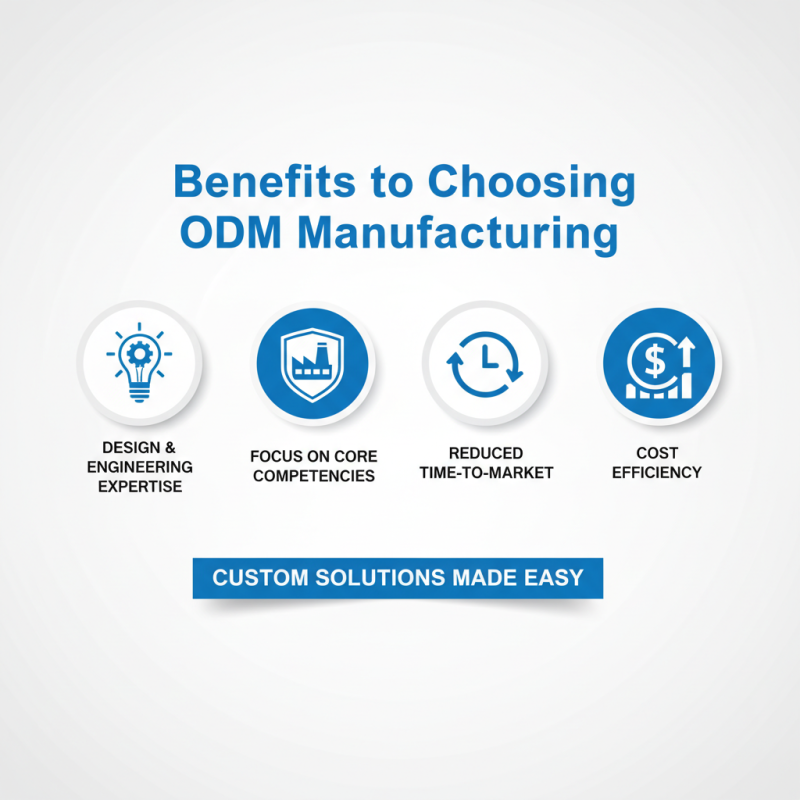
ODM manufacturing offers numerous benefits for businesses seeking custom solutions. By partnering with an ODM, you gain access to their expertise in design and engineering. This partnership allows you to focus on your core competencies while they handle the technical aspects. You can reduce time-to-market significantly, as ODMs often have ready-to-use designs.
When choosing ODM manufacturing, consider your target market. Customization options can enhance your product’s appeal. Create a list of features that resonate with your audience. Aim for unique designs that stand out. Remember, a well-researched product is more likely to succeed.
Tips: Communicate clearly with your ODM partner. Ensure your vision aligns with their capabilities. Use visual aids to avoid misunderstandings. Quality control should remain a priority. Regular check-ins can prevent issues. Engage in feedback loops to refine the process.
While ODM manufacturing simplifies many aspects, it’s essential to remain vigilant. Not every ODM may understand your brand’s identity. Research is key. Talk to other businesses that have worked with them. Ultimately, successful collaboration can drive innovation and growth, but caution is advised.
Factors to Consider When Choosing Between OEM and ODM
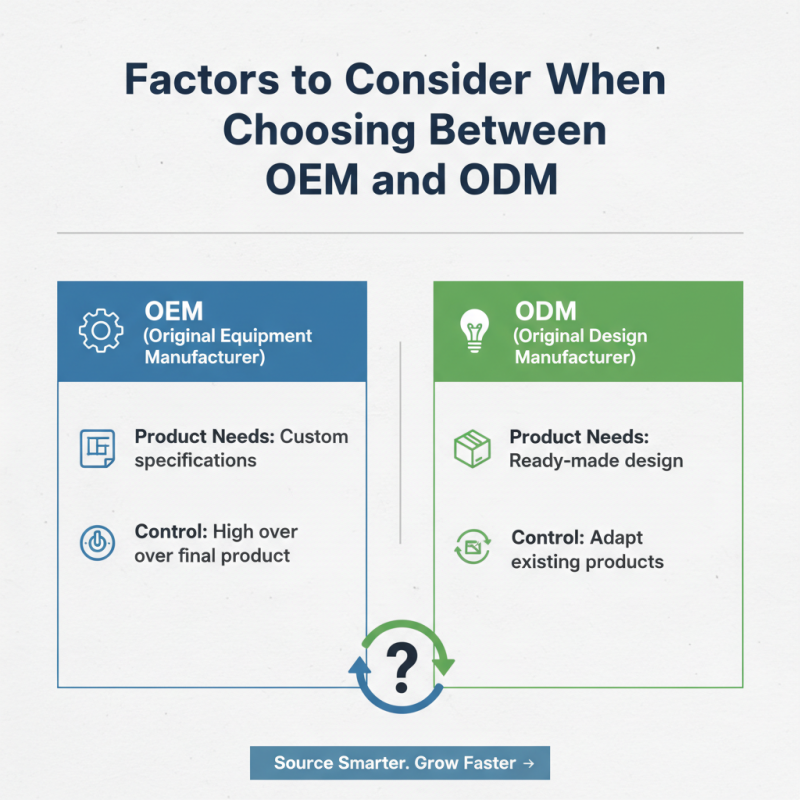
When choosing between OEM and ODM manufacturing, several factors come into play. First, understand your product needs. OEM focuses on producing based on your specifications. This often offers more control over the final product. In contrast, ODM provides a ready-made design. Here, you can adapt existing products to fit your brand.
Consider your budget. OEM generally comes at a higher cost due to custom designs. ODM might save you money, but you sacrifice some uniqueness. Think about scalability, too. OEM manufacturers can adjust production levels quickly. If your business grows, this flexibility helps you meet demand.
**Tips:** Always assess the technical capabilities of your manufacturer. Check their experience with products similar to yours, such as OEM Curcumin Powder. Don’t overlook after-sales service. Good communication is essential for smoother operations. Remember, finding the right fit is more important than just the price.
Exploring the Efficacy of Liposomal Vitamin C: Insights from Industry Reports and Market Trends in Nutraceuticals
Liposomal Vitamin C has gained significant attention in the nutraceuticals market, driven by its enhanced bioavailability and effectiveness as a dietary supplement. Recent industry reports highlight the growing trend of consumers seeking products that offer greater absorption rates, particularly in the realm of skincare and overall health. The encapsulation of Vitamin C in liposomes ensures that this vital nutrient is more readily available for cellular uptake, maximizing its antioxidant properties and contributing to improved skin health and immune support.
When considering liposomal Vitamin C for dietary supplements, one key product specification stands out: a high purity level of 98%, with a CAS number of 50-81-7. This product appears as a white to light yellow powder, which is soluble in water, making it easy to incorporate into various formulations. Meeting the demand for versatility, it can be packaged in quantities ranging from 1 to 25 kg or customized to fit specific needs. Storage requirements are straightforward, with an emphasis on keeping the product in a cool, dry place away from direct sunlight to maintain its efficacy.
Notably, the liposomal Vitamin C product adheres to multiple certifications, including ISO22000 and Kosher, signifying quality and safety. This positions it well within the competitive landscape of nutraceuticals, where consumers are increasingly concerned about sourcing and the integrity of the products they use. With a shelf life of two years and options for bulk purchases along with private label or OEM services, this product meets the diverse needs of manufacturers and skincare brands looking to enhance their offerings with effective vitamin solutions.
FAQS
: OEM manufacturing produces goods based on client specifications. Companies outsource product creation while controlling design.
Clear communication prevents misunderstandings. Misunderstandings can lead to defects, delays, and increased costs.
Many companies struggle with quality consistency. Approximately 50% report challenges in maintaining quality during production.
ODM focuses on designing products based on market needs. This approach promotes creativity and innovation unlike OEM.
ODM allows businesses to reduce time-to-market. Established designs help streamline production processes effectively.
Brands should focus on their target market and customize products. Unique designs resonate better with the audience.
Sometimes, the product may not align with the brand's vision. Clear and effective communication helps mitigate this risk.
Careful planning is crucial. Regular check-ins and feedback loops can enhance the partnership and lead to better outcomes.
Some manufacturers may not fully capture the brand's essence, leading to inconsistencies in identity and design.
They should combine OEM and ODM strategies. This allows for operational efficiency without sacrificing unique product development.
Conclusion
The article explores the key differences between OEM (Original Equipment Manufacturer) and ODM (Original Design Manufacturer) which are crucial in the manufacturing industry. OEM manufacturing focuses primarily on producing goods based on specifications provided by a client, emphasizing custom production and quality control. In contrast, ODM manufacturing involves designing and producing products that can be branded by clients, offering more comprehensive services including design development.
Both manufacturing models have distinct benefits; OEM allows for greater control over the manufacturing process, ensuring adherence to specific standards, while ODM facilitates a faster entry to market with ready-to-launch products. When deciding between Oem and Odm, various factors such as design capabilities, production costs, and market demands should be analyzed to determine the best fit for a business's needs. Understanding these distinctions allows companies to make informed choices that align with their strategic goals.