Hey there! So, if you’re in the fast-paced world of global sourcing, picking the right OEM ODM manufacturer is super important, especially if you want to deliver top-notch products. At Botanical Cube Inc., which is part of Xi'an Tianben Bioengineering Co., Ltd., we totally get how vital it is to team up with manufacturers that really match your vision and quality standards.
We’re all about researching, developing, producing, and selling healthy natural ingredients. Honestly, the success of your product often comes down to how well you can collaborate with the right OEM ODM partner. This guide is here to help you out with the key things to think about when searching for an OEM ODM manufacturer. We want to make sure you meet your sourcing needs efficiently and effectively, which is what will lead to a successful and enjoyable business relationship. So, let’s dive in and explore how to make this decision easier for you in your quest to find that perfect match!

Understanding OEM and ODM: Definitions and Key Differences
Alright, let’s dive into something that really matters when we're talking about global sourcing: the difference between OEMs (Original Equipment Manufacturers) and ODMs (Original Design Manufacturers). If you're a business trying to amp up your production game, you definitely want to get a good grip on this distinction. So, check it out—according to a report from Grand View Research, the global OEM market was sitting pretty at about $1 trillion in 2022. And guess what? It's expected to grow at an impressive rate of around 8.5% each year until 2030! That’s pretty wild, right? This growth is largely driven by the rising demand for customized products and the chance to tap into the resources and expertise of manufacturers.
Now, OEMs are all about creating products to meet client specifications. This lets companies keep their brand identity intact while outsourcing production—pretty neat! This model helps businesses save on manufacturing costs without skimping on quality. On the flip side, ODMs take things up a notch by not just making products but also designing them. So, these companies can brand the final products as their own. According to a study from Market Research Future, the ODM market is anticipated to see a robust growth rate of 11% annually from 2023 to 2028. That just shows how companies are leaning more towards sourcing partners who can offer both manufacturing solutions and creative design skills. Getting a handle on these differences really helps businesses align their production goals with the right manufacturing strategies and stay ahead in today’s competitive landscape!
Finding Your Perfect Match: OEM vs ODM Manufacturers
This bar chart illustrates the market share between OEM and ODM manufacturers. OEM manufacturers hold a significant share at 65%, while ODM manufacturers account for 35%. Understanding these differences is crucial for making informed sourcing decisions.
Identifying Your Business Needs: Customization vs. Standardization
So, when you're diving into global sourcing, it's super important to really get a feel for what your business needs.
One of the first things you might want to think about is whether you should go for
customization or
stick with standardization.
Customization lets you tweak your products to fit exactly what your target market is after—it's all about showcasing your brand's unique vibe and what the consumers are looking for.
If you're chasing after niche markets or trying to stand out from the crowd, going the customized route can really give you an edge. It helps build brand loyalty because you're hitting those specific demands that truly enhance what customers experience with your product.
On the flip side,
standardization might be the way to go if you're trying to keep costs down and boost efficiency.
By sticking to a standardized product line, companies can tap into economies of scale, which usually means lower production costs and a smoother operation overall.
If your business is eyeing a wider market where consistent quality and affordability are key, then standardization could be just the ticket to staying competitive.
It’s really all about balancing these two strategies—knowing when to customize and when to standardize can have a big impact on how you work with OEM and ODM manufacturers.
It helps ensure that your sourcing strategy aligns nicely with your bigger business goals.
Evaluating Manufacturer Credentials: Quality, Experience, and Reputation
So, you're on the hunt for the perfect OEM or ODM manufacturer? That's a big step! First off, it's super important to check out their credentials. The kind of products and services they offer can really affect your brand's image and bottom line. Start by digging into their quality assurance processes. Certifications like ISO 9001 are a good sign that they're serious about keeping things consistent. And don’t forget to take a close look at the materials they use—top-notch raw materials usually lead to much better final products.
Experience is another crucial thing to consider. A manufacturer who has been around for a while probably knows the ins and outs of the industry pretty well and can spot market trends that could really help customize things just for you. Take some time to browse through their portfolio and past projects. You'll want to see if they've got the chops in your specific product area. A well-established manufacturer won’t just have a solid track record; they should also be flexible enough to adjust to whatever new needs pop up.
And hey, let’s talk about reputation—it really matters! Make sure to look for reviews and testimonials from other businesses that have worked with them. Recommendations from others in your industry can give you great insight into how reliable they are, how good their customer service is, and how they perform overall. Talking to former clients can also paint a clearer picture of what you can expect, ensuring you team up with someone who shares your vision and values, which is super important for making your global sourcing strategy a success.
Finding Your Perfect Match: Choosing the Best OEM ODM Manufacturer for Your Global Sourcing Needs
| Manufacturer Type |
Experience (Years) |
Quality Certifications |
Reputation Score (1-10) |
Export Markets |
| OEM |
15 |
ISO 9001, ISO 14001 |
9 |
North America, Europe |
| ODM |
10 |
ISO 9001 |
8 |
Asia, South America |
| Full-Service |
20 |
ISO 9001, CE |
9 |
Global |
| Specialized |
5 |
ISO 13485 |
7 |
Europe, Australia |
| Prototype Manufacturer |
8 |
ISO 9001 |
8 |
North America, Asia |
Key Factors to Consider When Selecting an OEM ODM Partner
So, when you're on the lookout for an OEM or ODM partner for global sourcing, it’s super important to think about a few key things that can really shape your business. According to the latest "2023 Global Brand Insight Report," the diaper market in China has just exploded over the past decade. It’s mainly thanks to folks spending more and a growing customer base. This jump in demand really makes it clear how crucial it is to find a manufacturer that not only gets the market vibes but also has what it takes to innovate and ramp up production effectively.
One thing to really keep in mind is the tech skills of the potential partners. The report points out that Chinese manufacturing tech for products like diapers has become the gold standard in the industry. So, making sure your OEM or ODM partner is using advanced manufacturing techniques is key. This will help ensure that your products not only keep up with changing quality standards but also stay competitively priced. Plus, teaming up with a reputable partner who knows their way around global supply chains can give you some great insights and help you navigate all those tricky market regulations and consumer preferences across different areas.
The Importance of Communication in Global Sourcing Partnerships
You know, effective communication is really crucial when you're trying to pick the right OEM or ODM manufacturer for your global sourcing needs. In today's fast-paced procurement world, where things keep changing, having clear conversations can really help bridge those cultural and operational gaps. This way, both sides can stay on the same page about what they want to achieve. So, when you kick off a partnership, it’s a good idea to set up regular ways to communicate and lay out expectations right from the get-go. Not only does this build trust, but it also makes it easier to respond to market shifts and any bumps in the road that come up.

A few tips that could help your communication flow smoothly include scheduling regular check-ins. These are great for chatting about progress and anything that might pop up along the way. Plus, using some collaborative tools that allow for real-time updates and feedback can make tracking project milestones way easier, and help you tweak plans as needed. And hey, don’t forget to keep the discussions open! Encouraging everyone to share their thoughts on improvements means both sides can bring up concerns or ideas.
Another big thing to keep in mind is understanding your partner’s strengths and limits. Knowing this can seriously help you make smarter decisions about product specs and timelines. Make sure to communicate your business goals clearly, and really listen to what the manufacturer has to say—after all, they can offer priceless insights on how to streamline processes and boost product quality. It’s all about building that win-win situation together!
Managing Relationships and Expectations with Your Chosen Manufacturer
Choosing the right OEM or ODM manufacturer is super important, and honestly, it’s all about managing expectations and relationships for things to really work out. You see, clear communication is where it all starts. It’s totally essential to lay out what you need and what your specifications are right from the get-go. And hey, setting up some sort of routine for updates and feedback? That’s a game changer! It helps keep everything transparent and really strengthens the bond. Also, don’t forget to chat about things like timelines, quality standards, and payment terms upfront. Trust me, this proactive approach goes a long way in reducing any mix-ups and getting both sides aligned towards shared goals.

But listen, building a trusting relationship with your manufacturer isn't just about those first few negotiations. It’s like nurturing a plant; it takes ongoing care and support. Regular check-ins can really go a long way in creating a collaborative vibe, making it easier for everyone to tackle any bumps along the road together. Plus, being open to feedback from your manufacturer? That can seriously enhance your processes and product results. Just remember, a successful partnership is all about mutual respect and understanding. That’s what really helps you meet your global sourcing goals effectively.
Unlocking Cellular Energy: The Benefits of NMNH Powder Dihydronicotinamide Mononucleotide 99% OEM for Your Health
Unlocking Cellular Energy: The Benefits of NMNH Powder Dihydronicotinamide Mononucleotide 99% OEM for Your Health
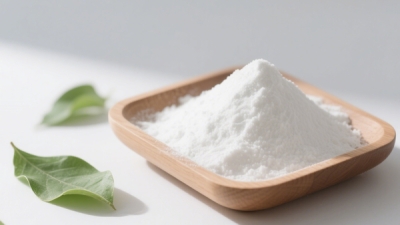
Dihydronicotinamide Mononucleotide (NMNH) is emerging as a powerful ingredient for those looking to enhance their overall health and vitality. This remarkable compound is known for its ability to unlock cellular energy, making it a popular choice for dietary supplements aimed at anti-aging and boosting energy levels. With a purity of 99%, NMNH powder is available in a white to off-white appearance, setting a high standard for quality and effectiveness. The product is solubility-friendly, dissolving well in both water and ethanol, which allows for versatile applications in various health formulations.
In addition to its exceptional benefits, NMNH powder is packaged thoughtfully, with options ranging from 1 to 25 kg or tailored to customer requirements. This flexibility ensures it meets the needs of any manufacturer. For those curious about its effectiveness, we offer free samples ranging from 10 to 50g. Rigorous testing methods, including HPLC, ensure that you receive a product that lives up to its claims. Furthermore, NMNH is backed by multiple certifications such as ISO22000, Kosher, Halal, and USDA organic, providing confidence in its quality and safety. With a shelf life of two years when stored in a cool, dry place, NMNH powder is an excellent addition to any health-focused product line, whether for private label or OEM/ODM use.
FAQS
: Customization tailors products to specific target markets and consumer preferences, fostering brand loyalty. Standardization, on the other hand, offers cost optimization and efficiency through a consistent product line, making it suitable for broader markets.
A business should opt for customization when targeting niche markets or aiming to differentiate itself from competitors, as it allows for better alignment with unique brand values and consumer demands.
Effective communication fosters alignment between parties, bridges gaps in understanding, and aids in responsiveness to market changes, ultimately strengthening the partnership.
Tips include scheduling regular check-ins, using collaborative platforms for real-time updates, and encouraging open discussions about improvements and concerns.
Understanding a manufacturer's capabilities helps in making informed decisions about product specifications and timelines, ensuring a smoother collaboration and better product outcomes.
Businesses can manage relationships by establishing clear communication from the onset, outlining needs and specifications, discussing timelines, quality standards, and maintaining transparency through regular updates.
Building a trusting relationship goes beyond negotiations; it involves nurturing the partnership through ongoing engagement and support, which can lead to improved processes and outcomes.
Regular check-ins foster a collaborative atmosphere, allowing both parties to promptly address challenges and maintain alignment toward common goals.
Clearly sharing business goals helps guide the manufacturer in providing valuable insights on optimizing processes and enhancing product quality, leading to a mutually beneficial partnership.
Successful objectives are achieved through clear communication, managing expectations, nurturing trust in relationships, and remaining open to feedback and collaboration with manufacturers.