Urolithin A is really starting to catch on in the health and wellness world these days, and for good reason. People are talking more and more about how it might benefit our cells and even help us live longer. I came across a report from the Global Institute of Nutritional Research that mentions how Urolithin A could seriously boost mitochondrial function — you know, the stuff that's super important for energy and how our metabolism runs. With all the new research pointing to its role in healthy aging, both scientists and health nuts are pretty curious to see what else it can do.
Dr. Anne Smith, who’s pretty well-known in the nutritional biochemistry scene, said something like, 'Urolithin A could be a game-changer for fighting off age-related health issues. Its power to help cells produce energy again might actually be the secret to living longer and feeling better in our later years.' People in the science world are especially interested in how it might improve muscle function and physical performance — that’s been supported by various peer-reviewed studies. As more research comes out, it’s clear that Urolithin A could have a pretty big impact on public health and overall wellness.
All in all, it’s an exciting time as we learn more about what this compound might do for us down the line.

Understanding Urolithin A: Definition and Sources
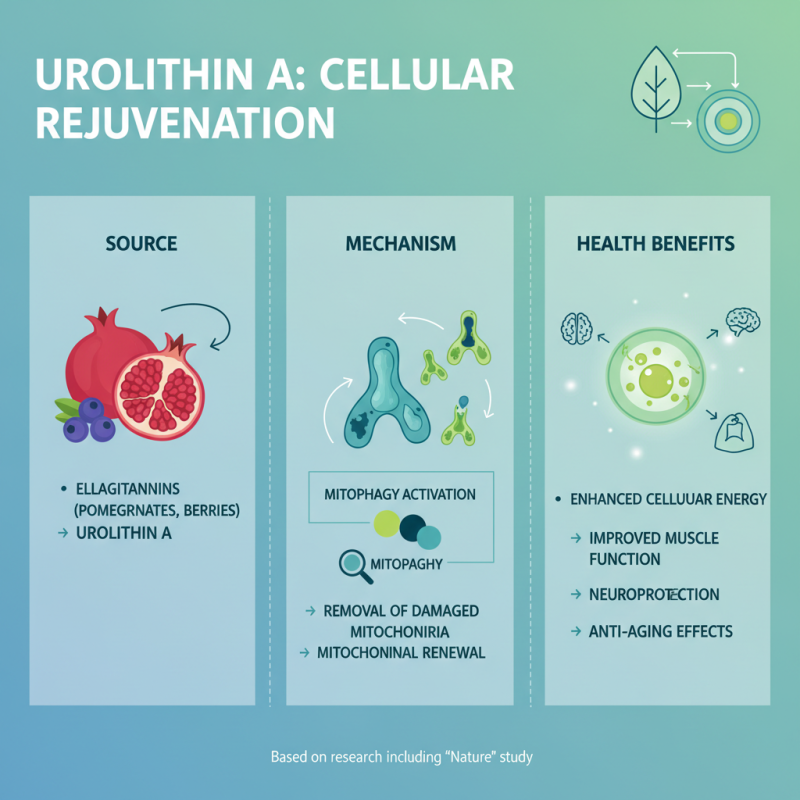
Urolithin A is a metabolite produced when gut bacteria digest ellagitannins, compounds found in various fruits and nuts. It has garnered attention due to its potential health benefits, particularly in the realms of aging and cellular health. Urolithin A is primarily derived from foods such as pomegranates, walnuts, and certain berries. When these foods are consumed, the ellagitannins they contain are converted by gut microbiota into urolithin A, which then enters the bloodstream, potentially exerting various biological effects.
The significance of urolithin A lies in its role in promoting mitophagy—a process that removes damaged mitochondria from cells, thereby contributing to improved cellular function and longevity. Research indicates that this compound may enhance muscle endurance and promote health at a cellular level, making it a focal point in studies related to age-related decline. Incorporating foods rich in ellagitannins into one’s diet may offer a natural way to boost urolithin A production, thereby supporting overall health and well-being.
How to Boost Your Health with Urolithin A Benefits and Research Insights
| Dimension |
Details |
| Definition |
Urolithin A is a metabolite produced from ellagitannins found in pomegranate and berries, known for its health-promoting properties. |
| Sources |
Key sources include pomegranates, berries, and walnuts, as well as certain dietary supplements. |
| Health Benefits |
Supports cellular health, enhances muscle function, and may promote longevity through autophagy. |
| Research Insights |
Recent studies show its potential in improving metabolic health and combating age-related decline. |
| Dosage |
Commonly recommended doses in studies range from 250 mg to 500 mg per day, but always consult a healthcare professional. |
| Side Effects |
Generally well-tolerated, though some may experience digestive upset or allergic reactions. |
Mechanisms of Action: How Urolithin A Affects Health
Urolithin A, a metabolite derived from ellagitannins found in pomegranates and other fruits, has garnered significant attention for its potential health benefits, particularly relating to its mechanisms of action in cellular processes. Research indicates that Urolithin A plays a crucial role in mitochondrial health by promoting mitophagy, the process through which damaged mitochondria are removed and recycled. This is extremely important, as mitochondrial dysfunction is linked to numerous age-related diseases. A study published in the journal "Nature" highlighted that Urolithin A can enhance mitochondrial function and promote increased cellular energy, thereby potentially reducing the risk of neurodegenerative diseases and improving overall vitality.
Additionally, Urolithin A is believed to modulate inflammation and oxidative stress, both of which are key factors in chronic diseases such as diabetes and cardiovascular conditions. Clinical trials have shown that supplementation with Urolithin A may lead to significant reductions in markers of inflammation, supporting its role as a potential anti-inflammatory agent. For instance, a report from the "Journal of Clinical Nutrition" found that individuals receiving Urolithin A demonstrated improved levels of inflammatory biomarkers compared to a placebo group, suggesting that this compound may contribute to better health outcomes as it helps the body maintain a balanced inflammatory response.
Key Health Benefits of Urolithin A: A Comprehensive Overview
Urolithin A, a compound derived from polyphenols found in berries and nuts, has garnered significant attention for its promising health benefits. Recent studies highlight its potential in enhancing mitochondrial function and cellular health, which are crucial for overall wellness. According to research published in the journal "Nature", Urolithin A has been shown to promote mitophagy, the process by which damaged mitochondria are removed and replaced. This process is vital in reducing the progression of age-related diseases, with findings suggesting that increased Urolithin A levels can significantly elevate energy production within cells.
In addition to mitochondrial health, Urolithin A exhibits anti-inflammatory properties, which may help combat chronic conditions associated with inflammation, such as cardiovascular disease and neurodegenerative disorders. A clinical study conducted by the University of California demonstrated that subjects who supplemented with Urolithin A experienced notable reductions in inflammatory markers. Furthermore, the compound has been linked to improved muscle strength and endurance, particularly in older adults, reaffirmed by findings from the "Journal of Medicinal Food", which indicated that regular intake of Urolithin A led to enhanced exercise performance among participants.
As research continues to unfold, Urolithin A presents a compelling case for its inclusion in health and wellness regimens aimed at promoting longevity and vitality.
Research Insights: Recent Studies on Urolithin A Effectiveness
Recent studies on Urolithin A have brought to light its potential effectiveness in promoting cellular health and longevity. Urolithin A is a metabolite derived from certain polyphenols found in foods like pomegranates, walnuts, and berries. Research indicates that it influences mitochondrial function, which is crucial for energy production within cells. By enhancing the process of mitophagy, Urolithin A helps in the removal of damaged mitochondria, thereby contributing to improved cellular performance and resilience.
A significant body of research has demonstrated Urolithin A's impact on age-related conditions. For instance, clinical trials suggest that supplementation may improve muscle function and endurance in older adults. Moreover, animal studies have shown its potential in reducing the risk of age-associated diseases, such as neurodegeneration and metabolic disorders. These findings underscore the growing interest in Urolithin A as a promising compound for promoting health and wellness, paving the way for further exploration and validation in human health applications.
Dosage and Safety: How to Incorporate Urolithin A into Your Diet
When considering incorporating Urolithin A into your diet, understanding the appropriate dosage and safety measures is crucial. Research suggests that a typical dosage ranges from 500 mg to 1000 mg per day, although individual needs may vary based on factors such as age, weight, and overall health. It is advisable to start with a lower dosage to assess your body's response before gradually increasing it. Consulting with a healthcare provider before beginning any supplementation is essential to ensure that it aligns with your personal health goals.
In terms of safety, Urolithin A is generally regarded as well-tolerated, with most studies indicating minimal side effects. However, some individuals may experience gastrointestinal discomfort or other mild symptoms. It is important to take Urolithin A with food to enhance absorption and minimize any potential digestive issues.
Additionally, maintaining a balanced diet rich in fruits, vegetables, and fibers will complement the benefits of Urolithin A, promoting overall wellness. Regular monitoring of your health while incorporating any new supplement can help ensure that it fits well within your personal health regimen.
Potential Risks and Side Effects of Urolithin A Consumption
While Urolithin A is gaining attention for its potential health benefits, it is essential to consider the possible risks and side effects associated with its consumption. Research into Urolithin A is still in the early stages, which means that comprehensive long-term studies are limited. Some individuals may experience gastrointestinal discomfort or digestive issues, particularly when they first introduce Urolithin A into their diets. Symptoms such as bloating, gas, or diarrhea may occur, suggesting that monitoring one’s reaction to this compound is crucial.
Moreover, the interactions of Urolithin A with other medications or supplements are not entirely understood. Individuals taking certain pharmaceuticals, especially those that affect liver enzymes, should approach Urolithin A with caution. As metabolic pathways may be influenced by a variety of compounds, it’s important for consumers to consult healthcare professionals before making significant dietary changes. By understanding these potential risks, individuals can take a more informed approach to incorporating Urolithin A into their health regimen.
Urolithin A Benefits and Consumption Insights
This bar chart illustrates the various health benefits associated with Urolithin A consumption, showcasing the percentage of observed benefits in key areas such as muscle function, exercise performance, inflammation reduction, metabolic health, and gut health based on recent research insights.
Future Directions: Ongoing Research and Clinical Applications of Urolithin A
Recent research on Urolithin A has revealed its potential benefits in the realms of health and longevity, prompting ongoing investigations into its clinical applications. Urolithin A, a metabolite produced by gut microbiota from polyphenols found in pomegranates and other berries, has been shown to enhance mitochondrial function, which is crucial for cellular energy production. According to a study published in "Nature Metabolism," participants who consumed Urolithin A experienced improved muscle endurance and strength, indicating promising implications for age-related decline in muscle health. As one of the key findings, the research highlighted how Urolithin A could potentially slow down the aging process at a cellular level by promoting mitophagy, the process through which damaged mitochondria are removed, thus enhancing overall cellular health.
Moving forward, clinical research is poised to explore the therapeutic applications of Urolithin A beyond muscle function. A systematic review conducted by the International Journal of Molecular Sciences suggested that Urolithin A may play a role in improving cognitive function and reducing the risk of neurodegenerative diseases, as it has shown neuroprotective effects in preliminary studies. Ongoing trials are investigating the efficacy of Urolithin A in addressing metabolic disorders and inflammation, which are linked to chronic conditions such as diabetes and heart disease. As additional data emerges, the future directions of Urolithin A research hold promise for developing novel strategies in preventive healthcare, potentially positioning Urolithin A as a pivotal component in mitigating age-related diseases.
Unlocking the Power of Urolithin A Powder: A Comprehensive Guide to Enhancing Longevity and Mitochondrial Health
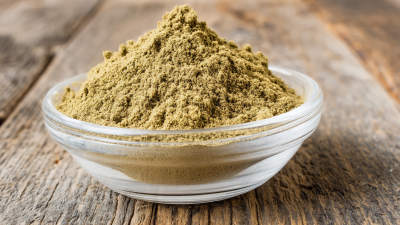
Urolithin A powder has recently emerged as a significant compound focusing on enhancing longevity and mitochondrial health. With a CAS number of 1143-70-0 and a specification of 98%, this light yellow to off-white powder is gaining attention for its potential anti-aging properties. Its applications extend beyond mere antioxidant effects; it plays a crucial role in improving muscle strength, boosting cellular energy, and supporting overall mitochondrial function. As we age, maintaining healthy mitochondria becomes essential, and Urolithin A could be a key player in this endeavor.
The solubility of Urolithin A powder is notably poor in water but dissolves effectively in DMSO and ethanol, making it versatile for various applications. It is available in packaging options ranging from 1 to 25 kg or can be customized based on user needs. With ample certificates such as ISO22000, FSSC22000, Halal, cGMP, and Organic, this product meets strict safety and quality standards. When stored in a cool, dry place away from direct sunlight, Urolithin A powder retains its efficacy, ensuring users can harness its benefits for enhancing longevity and promoting mitochondrial health.
FAQS
Urolithin A may promote mitophagy, enhancing cellular function and longevity, and has the potential to improve muscle endurance and support overall health.
Urolithin A enhances mitochondrial function by promoting the removal of damaged mitochondria, which is crucial for maintaining cellular energy and preventing age-related diseases.
Yes, Urolithin A is believed to modulate inflammation and oxidative stress, potentially leading to reductions in inflammatory markers and contributing to better health outcomes.
Some individuals may experience gastrointestinal discomfort, including bloating, gas, or diarrhea, especially when first introducing Urolithin A into their diets.
Yes, individuals taking certain medications, particularly those affecting liver enzymes, should approach Urolithin A with caution and consult healthcare professionals before making significant dietary changes.
Mitophagy is the process of removing damaged mitochondria, which is significant in combating mitochondrial dysfunction linked to many age-related diseases.
Consuming foods rich in ellagitannins, such as pomegranates, walnuts, and certain berries, may help boost Urolithin A production in the body.
Yes, research into Urolithin A is still in early stages, with ongoing studies exploring its health benefits, mechanisms of action, and potential risks.
Consumers should consider potential gastrointestinal side effects and interactions with medications and consult healthcare professionals for personalized advice.
Conclusion
Urolithin A is a naturally occurring compound that emerges from the gut metabolism of ellagitannins found in certain fruits and nuts. This article delves into its mechanisms of action, highlighting how Urolithin A can enhance cellular health, particularly by promoting mitophagy—an essential process for cellular rejuvenation. A comprehensive overview of its key health benefits reveals potential advantages, including improved muscle endurance, anti-inflammatory effects, and enhanced cognitive function.
Recent studies underscore the effectiveness of Urolithin A, with findings suggesting promising implications for aging and metabolic health. The article also addresses proper dosage and safety considerations, offering guidance on incorporating Urolithin A into one's diet. Additionally, it discusses potential risks and side effects related to its consumption. Looking forward, ongoing research could pave the way for new clinical applications, further establishing Urolithin A as a significant contributor to health improvement.