Lately, there's been a real boost in popularity for natural ingredients in the health supplement world, and one name that’s been catching more and more attention is Berberine HCl. If you look at the market trends, the global dietary supplement industry is expected to hit over a trillion dollars by 2025 — pretty wild, huh? That just shows how much folks are really looking for effective, all-natural ways to stay healthy. Berberine, which is a powerful compound pulled from various plants, has gotten a lot of buzz because it might help in managing blood sugar, supporting weight loss, and boosting heart health.
At Botanical Cube Inc., we’re passionate about this stuff. Thanks to the solid backing of our parent company, Xi'an Tianben Bioengineering Co., Ltd., we’re dedicated to researching, developing, and making top-quality natural ingredients like Berberine HCl. In this article, I’ll break down what makes Berberine HCl supplements tick — the science behind them, their potential health perks, and how they can be used. Whether you’re just curious or in the business, I hope you find this info helpful and engaging.
The Role of Berberine HCl in Metabolic Health: Insights from Recent Studies
Berberine HCl has been catching people's attention lately because of its potential benefits when it comes to metabolic health—especially for managing blood sugar and helping with weight loss. You know, recent studies show that berberine can turn on this enzyme called AMP-activated protein kinase, or AMPK for short. It’s a pretty important enzyme that helps regulate how our metabolism works. What’s cool is that this activation doesn’t just help your body use glucose better; it also makes your cells more sensitive to insulin. That’s pretty promising for folks dealing with insulin resistance or type 2 diabetes. In fact, some research has shown that people taking berberine saw their fasting blood sugar and HbA1c levels drop, which honestly speaks to how well it can help control blood sugar levels.
But wait, it gets better. Other studies suggest berberine might also give your cholesterol a boost and support heart health overall. Plus, it seems to influence gut bacteria in a way that could support weight loss, since a healthy gut microbiome is key for good metabolism. Some folks even report losing a fair amount of weight when taking berberine—that's pretty exciting, especially with obesity being such a big concern worldwide these days. Of course, we still need more long-term research to be totally sure about all these benefits, but right now, berberine looks like a pretty promising natural option for boosting your metabolic health and helping with weight management."
Exploring the Antimicrobial Properties of Berberine HCl: A Comprehensive Review
Berberine HCl is a bioactive compound that comes from various plants, and it’s been catching a lot of attention lately, mainly because of its strong antimicrobial properties. Basically, it can fight off a whole bunch of pathogens—think bacteria, fungi, viruses—you name it. From what I’ve read, it seems like berberine works by messing with the microbial cell membranes and messing up their internal processes, which eventually kills these tiny invaders. What’s pretty exciting is that it shows promise against strains of bacteria that have become resistant to multiple drugs—something that’s a big worry for public health these days.
But it’s not just about killing microbes. Berberine HCl also helps give your immune system a little boost. Research suggests it can influence different immune cells, making your body better equipped to handle infections. So, it kind of offers a double whammy—both attacking pathogens directly and strengthening your defenses at the same time. All in all, these insights suggest that berberine could be a natural alternative or an addition to traditional antibiotics, but we definitely need to dig deeper to really understand all of its potential uses in medicine.
The Science Behind Berberine HCl Supplements: Unlocking Their Health Benefits and Uses
| Health Benefit |
Mechanism of Action |
Antimicrobial Properties |
Dosage |
Considerations |
| Blood Sugar Regulation |
Activates AMPK, which helps regulate glucose and lipid metabolism |
Effective against bacteria like E. coli and Staphylococcus aureus |
500-1500 mg per day |
May cause digestive upset in some individuals |
| Cholesterol Reduction |
Inhibits cholesterol absorption in the intestines |
Demonstrates antifungal activity against Candida species |
500 mg taken with meals |
Consult a doctor if on medications |
| Weight Loss |
May alter fat cell metabolism and reduce fat storage |
Helps combat viral infections by inhibiting virus replication |
1-2 capsules before meals |
Not suitable for pregnant or breastfeeding women |
Berberine HCl and Glycemic Control: Evidence from Clinical Trials
Berberine HCl has really been gaining attention as a pretty effective supplement for keeping your blood sugar in check. Several clinical trials have shown that it can actually help manage blood glucose levels. In fact, there was a meta-analysis published in the 'Journal of Medicinal Food' that pointed out how berberine can lower fasting blood glucose and HbA1c pretty significantly—some studies even reported drops of up to 20% in fasting glucose. This is especially a big deal for folks with type 2 diabetes, since keeping blood sugar levels stable is super important for overall health.
Because so many people are getting interested in berberine, healthcare pros generally suggest adding it into a balanced diet plan. A couple of tips? Take it with meals to help your body absorb it better, and try to pair it with lifestyle tweaks like regular exercise and eating a nutritious, balanced diet. Of course, it’s a good idea to check in with your doctor before hopping on any new supplement train, just to make sure it fits your health goals.
There’s also some recent research hinting that berberine could boost insulin sensitivity, which is a big plus when it comes to managing diabetes. One study from 'Diabetes Care' found that folks taking berberine had improved insulin response, making blood sugar control even better. All in all, incorporating berberine seems to do more than just help with blood sugar—it's a handy piece of the puzzle for better metabolic health too.
The Influence of Berberine HCl on Lipid Profiles: Statistically Significant Outcomes
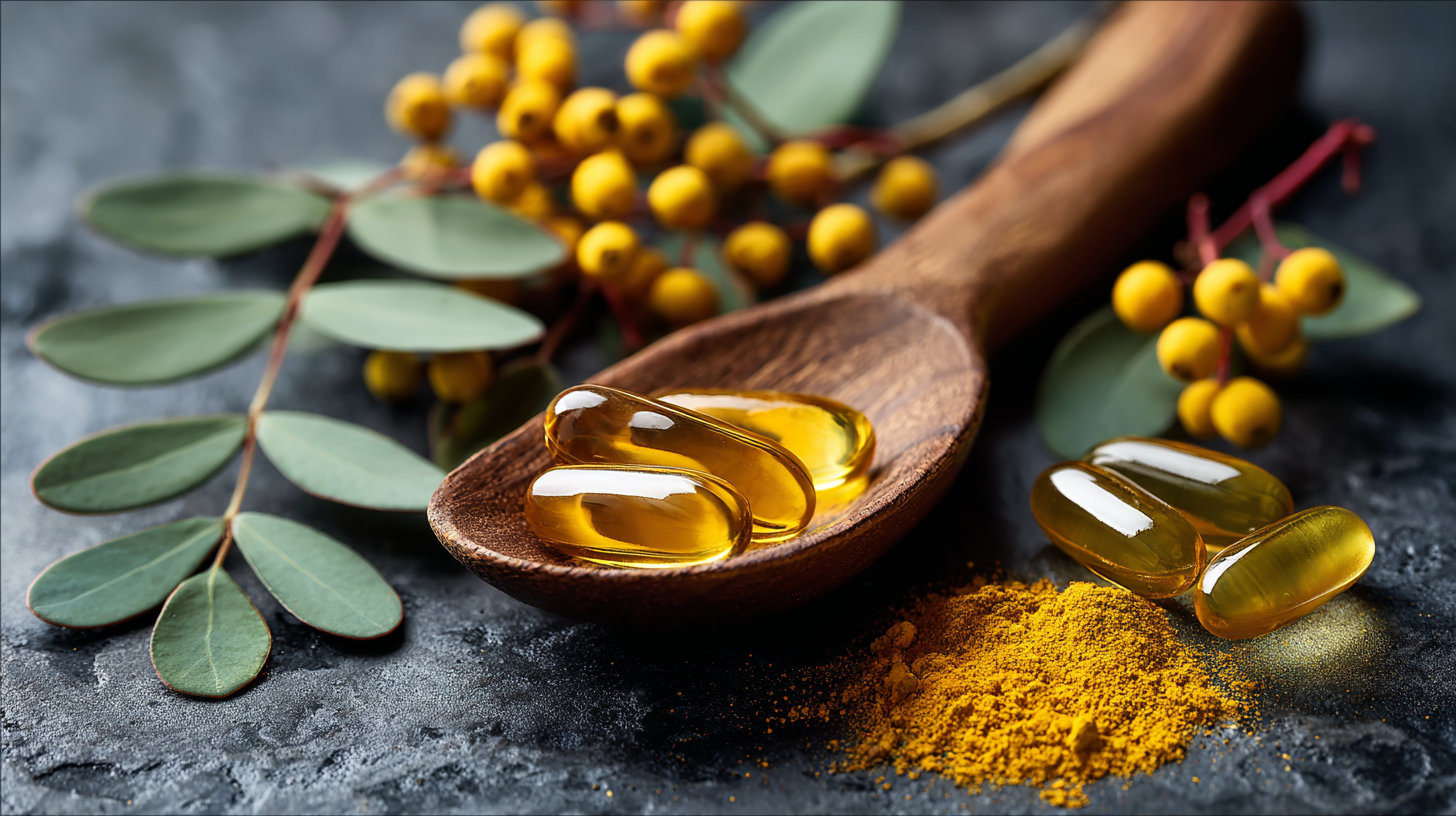 Hey, have you heard about Berberine HCl?
It’s been getting a lot of buzz lately because of its potential to help with your cholesterol and triglyceride levels. Basically, some studies show that it can positively impact how your body handles fats, leading to noticeable drops in total cholesterol and LDL (the 'bad' cholesterol). This is pretty important, especially if you're worried about heart health, since high LDL is a major risk factor.
What’s really interesting is how it works — berberine activates this enzyme called AMPK, which is key in controlling how your cells manage energy. When AMPK kicks in, it kind of boosts fat burning and slows down the production of fats and cholesterol in your liver. Not only does this help improve your lipid profile, but it also supports your overall metabolic health. So yeah, berberine HCl could be a promising natural supplement for anyone looking to give their heart and metabolism a bit of a boost.
Unraveling the Mechanisms of Action: How Berberine HCl Affects Cellular Functions
Berberine HCl is a natural compound — an alkaloid that seems to do quite a lot inside our cells. One of the key ways it works is by activating something called the AMPK pathway. Basically, this boosts how our cells handle energy, helping them take in more glucose and making them more sensitive to insulin. It’s why berberine’s often looked at as a potential helper for stuff like type 2 diabetes.
But it’s not just about blood sugar. Berberine HCl also has an impact on how our bodies process fats and even fights inflammation. It influences the enzymes that control fat creation and breakdown, which helps prevent fat from building up in cells — so, in the long run, it might lower your risk for heart issues. Plus, it seems to help calm inflammation by blocking certain chemicals that promote it. All these effects combined make berberine a pretty interesting supplement for overall health and wellness.
Safety and Dosage Considerations for Berberine HCl: Guidelines from Experts
When you're thinking about taking Berberine HCl supplements, it's super important to pay attention to safety and proper dosing. Most experts suggest starting out pretty low—about 500 mg a day is a common starting point—and then gradually bumping up if needed. Just don’t go over 1500 mg daily, okay? There was a study in the Journal of Clinical Endocrinology & Metabolism that showed this amount can really help with metabolic health without causing serious side effects. But, if you have any pre-existing issues like liver or kidney problems, definitely chat with your doctor before you start taking it.
Also, keep in mind that Berberine can interact with some medications. The National Institutes of Health mentions that it can affect cytochrome P450 enzymes, which are key players in how drugs are processed in your body. So, if you're on blood thinners or diabetes meds, be extra cautious. Pregnant or breastfeeding women should steer clear of Berberine for now because there's not enough info about safety during those times.
All in all, sticking to the recommended dosages and talking to a healthcare professional before adding Berberine to your routine can really help you get the benefits without running into risks. It’s all about being smart and safe with it!
Exploring the Health Benefits and Uses of Phellodendron Bark Extract and Berberine HCL Powder in Modern Wellness
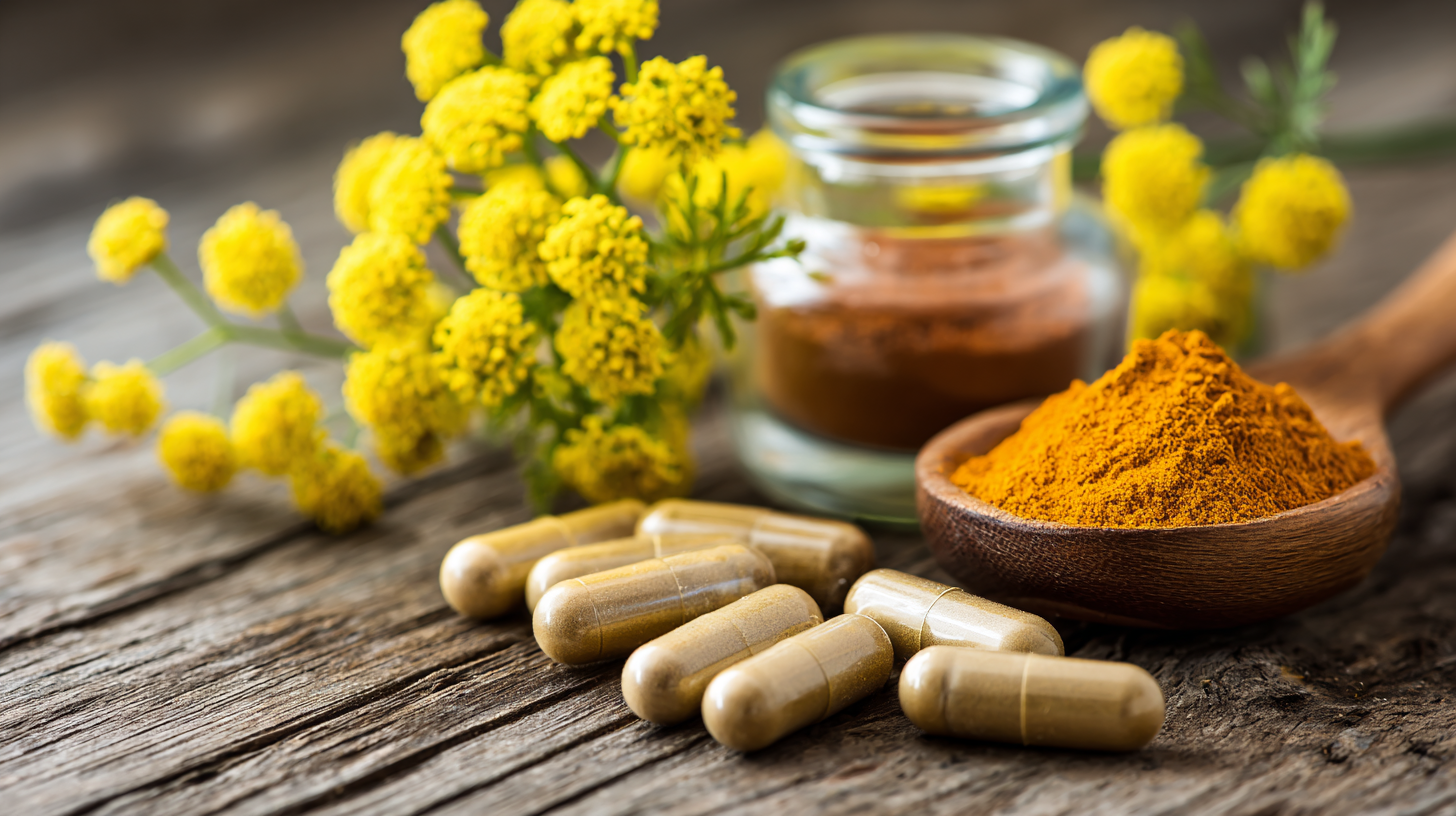
Phellodendron bark extract and Berberine HCL powder are emerging as vital components in modern wellness, driven by their numerous health benefits. Berberine HCL, with a CAS number of 633-65-8, boasts a specification of at least 97% purity, allowing it to stand out as a potent ingredient in dietary supplements. Its yellow crystalline form is not only visually appealing but also exhibits excellent solubility in both water and ethanol, making it versatile for various formulations including blood sugar support capsules and skincare actives.
The applications of Berberine HCL are vast, as it helps regulate blood sugar levels and offers antimicrobial properties. This extract is especially popular in dietary supplements, where it is included to promote metabolic health and support overall wellness. Additionally, with rigorous testing using HPLC methods and certifications such as ISO22000, FSSC22000, Halal, cGMP, and Organic, consumers can trust the quality and efficacy of the products containing this powerful extract. Available in packages ranging from 1-25kg, Berberine HCL is an exceptional choice for those seeking to improve their health naturally and effectively.
FAQS
: Berberine HCl is a naturally occurring alkaloid that impacts cellular functions primarily by activating the AMP-activated protein kinase (AMPK) pathway, enhancing energy metabolism, improving glucose uptake, and reducing insulin resistance.
Berberine HCl improves metabolic health by enhancing glucose uptake and reducing insulin resistance, making it a potential aid in the management of metabolic disorders like type 2 diabetes.
Berberine HCl modulates the expression of key enzymes involved in lipid synthesis and breakdown, reducing lipid accumulation in cells and potentially lowering the risk of cardiovascular diseases.
Yes, Berberine HCl exhibits anti-inflammatory properties by inhibiting pro-inflammatory cytokines, which helps to combat chronic inflammation linked to various health conditions.
Experts recommend starting with a low dose of around 500 mg per day, gradually increasing if needed, but not exceeding a total daily intake of 1500 mg to avoid adverse effects.
Individuals with pre-existing liver or kidney issues should consult a healthcare professional before using Berberine HCl, as it may interact with these conditions.
Yes, Berberine can affect cytochrome P450 enzymes, which are important for drug metabolism. Individuals on anticoagulants or diabetes medications should be cautious and consult with a healthcare provider.
Pregnant or breastfeeding women are advised against using Berberine HCl due to insufficient safety data in these populations.
By enhancing metabolic health, improving lipid metabolism, and providing anti-inflammatory benefits, Berberine HCl has significant potential utility in holistic health management strategies.
Conclusion
Berberine HCl supplements have really caught people's attention lately, mainly because of all the different health perks they seem to offer—especially when it comes to metabolic health. If you’ve been reading up on it, you probably know that recent studies show how it can help manage blood sugar levels and improve cholesterol and triglyceride numbers. The results are pretty impressive, and they back up the idea that this natural supplement really works. Oh, and it’s not just about metabolism—Berberine HCl also has some antimicrobial properties, which adds another layer to how it can support your overall wellness.
Getting a handle on how Berberine HCl actually works at the cellular level helps us understand why it might be beneficial. Of course, experts recommend keeping an eye on safe dosage guidelines, so if you’re thinking about trying it out, you can do so with some confidence. At Botanical Cube Inc., we’re passionate about pushing the boundaries of natural ingredients, including Berberine HCl. Our goal is to make sure our products are backed by the latest science, so you get the most out of them for your health and wellbeing.