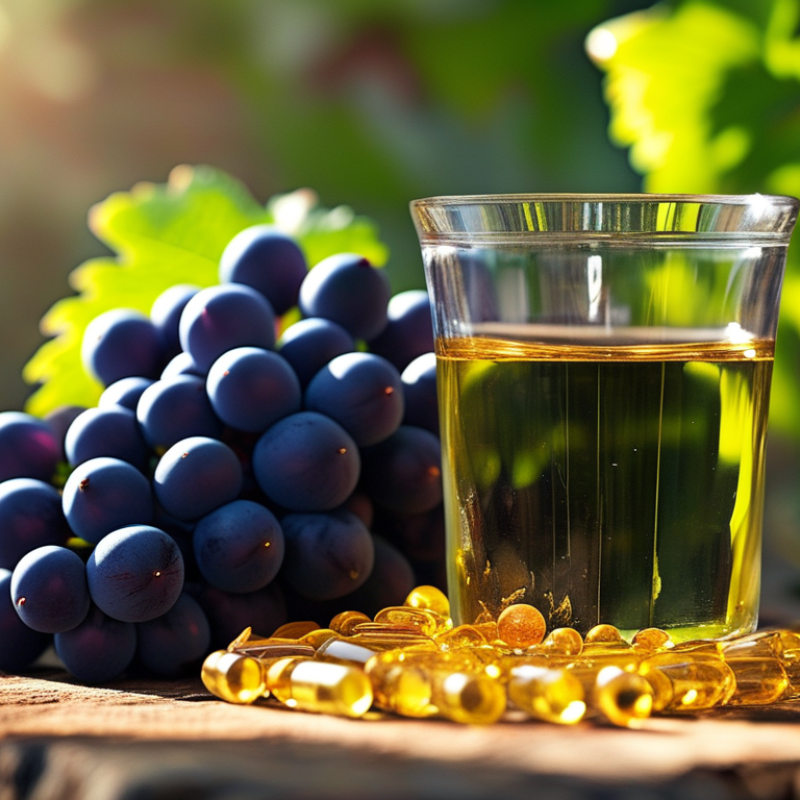
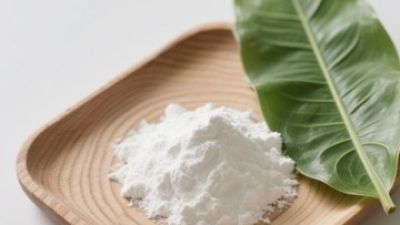
Lately, health-conscious folks have been really interested in the Resveratrol Supplement. This natural stuff, which you can find in grapes and berries, has gotten a lot of attention because of its possible health perks. Honestly, a lot of people are wondering how it might help boost overall well-being.
The Chemical Composition of Resveratrol
Resveratrol is a polyphenolic compound found in various plants, especially in grapes and berries. Its structure includes two aromatic rings and a hydroxyl group, contributing to its antioxidant properties. Studies indicate that resveratrol can neutralize free radicals, which are harmful molecules that can damage cells. This oxidation process is crucial in understanding how resveratrol impacts health.
Research published in the Journal of Nutritional Biochemistry highlights resveratrol's potential in promoting cardiovascular health. The compound may enhance endothelial function and promote vasodilation, leading to improved blood flow. Additionally, a review in the European Journal of Nutrition suggests that resveratrol can contribute to anti-inflammatory responses. However, the bioavailability of resveratrol is often low, which raises questions about effective dosing. Many people turn to Resveratrol Supplement Powder to potentially overcome these limitations.
Despite these benefits, not all studies agree on the effectiveness of resveratrol. Some researchers suggest that more clinical trials are necessary to establish clear guidelines. The variability in individual responses to supplementation adds another layer of complexity. While there is optimism about resveratrol, it's essential to approach supplementation judiciously and consider personal health needs.
How Resveratrol Works in the Body
Resveratrol, a compound found in red wine and certain berries, has gained attention for its health benefits. Research indicates that it acts as an antioxidant, neutralizing harmful free radicals in the body. This is crucial because free radicals can lead to oxidative stress, a contributor to numerous chronic diseases. A report from the National Institutes of Health suggests that resveratrol may help reduce inflammation, a key factor in conditions like arthritis and heart disease.
In addition, resveratrol enhances cellular health by activating sirtuins, a group of proteins involved in cellular aging. A study in the Journal of Biochemical Research highlights that this activation can improve metabolic health and promote longevity. However, while these benefits are promising, achieving therapeutic levels of resveratrol through diet alone is challenging. The amount found in food may not suffice for optimal health effects.
Moreover, not all studies yield consistent results. Some suggest that the bioavailability of resveratrol is limited, meaning the body may not absorb it effectively. This leads to questions about dosage and long-term effects on health. It's essential for individuals to consider these factors before relying heavily on supplementation for health improvements.
Health Benefits of Resveratrol on Heart Health
Resveratrol has gained attention for its potential benefits on heart health. Numerous studies indicate that this polyphenol may help reduce inflammation and lower blood pressure. A review published in the American Journal of Clinical Nutrition found that resveratrol supplementation can lead to significant improvements in endothelial function. This is crucial because healthy endothelial cells help maintain blood vessel elasticity and regulate blood flow.
Research suggests that individuals consuming resveratrol may experience a 30% reduction in total cholesterol levels. This can decrease the risk of heart disease. According to a systematic review in the Journal of the American Heart Association, participants taking resveratrol showcased better heart health markers compared to those who did not. These findings underscore the importance of resveratrol's role in cardiovascular wellness.
Despite these promising results, it's essential to approach resveratrol with awareness of its limitations. Not all studies show consistent outcomes. The optimal dosage and long-term effects remain open questions. Many people wonder about the best sources of resveratrol, and while supplements are available, it can often be obtained through dietary sources. Supplements such as Resveratrol Bulk can provide concentrated doses, yet consumers should consult healthcare professionals before considering them.
Resveratrol's Role in Antioxidant Defense Mechanisms
Resveratrol has gained attention for its potential health benefits, particularly in antioxidant defense mechanisms. This naturally occurring compound is found in certain plants, especially grapes and berries. Its antioxidant properties help combat oxidative stress in the body. Oxidative stress is linked to various health issues, including chronic diseases and aging.
Research shows that resveratrol can enhance the body's antioxidant defenses. A study published in the Journal of Nutritional Biochemistry indicates that resveratrol upregulates the expression of antioxidant enzymes like superoxide dismutase. This enzyme plays a crucial role in neutralizing harmful free radicals. By boosting these enzymes, resveratrol may reduce oxidative damage and promote cellular health.
However, there are caveats. Not all studies yield consistent results. Some trials report only modest effects on health markers. This inconsistency raises questions about dosage and absorption. It is crucial to consider individual responses to supplements. Not everyone will experience the same benefits from resveratrol. Further research is essential to clarify its role and effectiveness in antioxidant defense.
Potential Anti-Inflammatory Effects of Resveratrol
Resveratrol is a natural compound found in various plants. Research shows it may have potential anti-inflammatory effects, which can greatly benefit health. Inflammation is a natural response, but chronic inflammation can lead to serious health issues. Resveratrol might help regulate this process.
Several studies indicate resveratrol can reduce markers of inflammation. It seems to target inflammatory pathways effectively. For example, it may inhibit the release of pro-inflammatory cytokines. This could mean less swelling and pain for those suffering from chronic conditions. However, the exact mechanisms are still being explored.
While promising, research on resveratrol needs more depth. Not all studies agree on its effectiveness or dosage. Some individuals may experience varying results. Furthermore, the source of resveratrol can affect its quality. Choosing high-quality supplements is essential for potential benefits. Researchers still recommend a balanced approach to health. Relying solely on supplements may overlook other crucial lifestyle factors.
Resveratrol and Its Impact on Aging and Longevity
Resveratrol has gained attention for its potential effects on aging and longevity. This naturally occurring compound is found in grapes, red wine, and some berries. Research suggests it may activate certain genes that promote longevity, potentially mimicking the effects of calorie restriction. Some studies indicate that resveratrol can enhance cellular function. That's a promising concept for anti-aging.
The impact of resveratrol, particularly Dimethyl Resveratrol, on longevity is interesting. It may reduce inflammation and oxidative stress, both key factors in aging. Some animal studies have shown improvements in lifespan with resveratrol supplementation. However, human studies are still limited, leaving a gap in knowledge.
While the benefits seem encouraging, it’s crucial to approach these findings meticulously. Not everyone responds the same way to supplements. Dosage and overall health can affect outcomes. More research is needed to establish clear guidelines. It's an evolving field, and ongoing studies will hopefully shed light on how resveratrol can truly influence our aging process.
Benefits of Resveratrol for Health
The above chart displays the potential health benefits of Resveratrol supplements based on current research findings. The values represent the percentage of evidence supporting each benefit, with Anti-Aging showing the highest potential impact.
Sources and Dosage Recommendations for Resveratrol Supplements
When considering the health benefits of Resveratrol supplements, it's important to understand their sources and dosage recommendations.
Plant-Based Resveratrol is primarily found in the skin of red grapes, berries, and peanuts. These natural sources contain varying amounts of this powerful antioxidant, which is known for its potential to support cardiovascular health and reduce inflammation.
Experts recommend a daily dosage of 100 to 500 mg of Resveratrol for general health benefits. Some studies indicate that higher doses may be beneficial for certain conditions, though high intake often raises concerns about safety and efficacy. A report from the Journal of Nutritional Biochemistry suggests that lower doses may offer health benefits without the risks associated with higher amounts.
Tip: When selecting a supplement, check for purity and bioavailability. Some products may be poorly absorbed, limiting their effectiveness.
While Resveratrol offers numerous benefits, it's crucial to consider individual health conditions. Not everyone may respond similarly to supplementation. Furthermore, the interaction between Resveratrol and certain medications remains a topic of debate among health professionals.
Tip: Consult a healthcare provider before starting any new supplement regimen. Personalized advice is essential in improving health outcomes. Finding the right dosage can vary significantly from person to person.
Enhancing Health with Pure Pterostilbene Powder: Insights from Industry Reports on Antioxidant Efficacy and Market Growth Trends
Pterostilbene, a naturally occurring compound structurally related to resveratrol, is gaining attention for its robust antioxidant properties and potential health benefits. With a CAS No. of 537-42-8, pure pterostilbene powder boasts a specification of 98%, presenting itself as a potent ally in promoting cognitive support, anti-aging, metabolic health, and overall wellness. This white to off-white powder is not only soluble in lipids and ethanol but also demonstrates a slight solubility in water, making it versatile for various applications in health supplements.
Recent industry reports highlight the remarkable efficacy of antioxidants like pterostilbene in combating oxidative stress, which is often linked to various health issues. The increasing awareness of health benefits associated with antioxidant-rich compounds is driving market growth, allowing pterostilbene to carve its niche in the supplement industry. Available in packages ranging from 1 to 25 kg or customized options, this product caters to various consumer needs, with samples readily available for testing. Furthermore, rigorous quality standards are met, as indicated by certifications such as ISO22000, FSSC22000, Halal, cGMP, and Organic, ensuring that users receive a product they can trust.
FAQS
: Resveratrol may reduce inflammation and lower blood pressure, improving heart health.
Yes, it may help reduce total cholesterol levels by about 30%, lowering heart disease risk.
Resveratrol supplementation can lead to better endothelial function, essential for blood vessel elasticity.
It's found in dietary sources like grapes and berries, though supplements are also an option.
Some research shows inconsistent outcomes regarding its effects on health markers.
Yes, it’s wise to consult professionals before considering any supplements.
It enhances antioxidant defenses by upregulating enzymes that neutralize free radicals.
No, individual responses can vary greatly; not everyone will experience the same health improvements.
Oxidative stress contributes to many health issues; resveratrol may help combat it through its antioxidant properties.
No, the long-term effects and optimal dosage of resveratrol are still not fully understood.
Conclusion
Resveratrol supplements have gained attention for their potential health benefits, primarily due to their unique chemical composition, which allows them to exert various effects in the body. Resveratrol is known to promote heart health by improving endothelial function and lowering cholesterol levels. Furthermore, it plays a crucial role in antioxidant defense mechanisms, helping to neutralize free radicals and reduce oxidative stress.
Additionally, research suggests that resveratrol may possess anti-inflammatory properties, potentially alleviating chronic inflammation. Its role in aging and longevity is also significant, with studies indicating that resveratrol could enhance lifespan and promote healthy aging. For those interested in incorporating resveratrol supplements into their wellness routine, understanding the sources and recommended dosages is essential to maximize their benefits while minimizing risks.