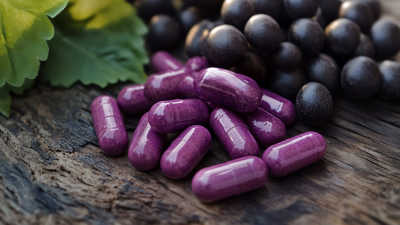
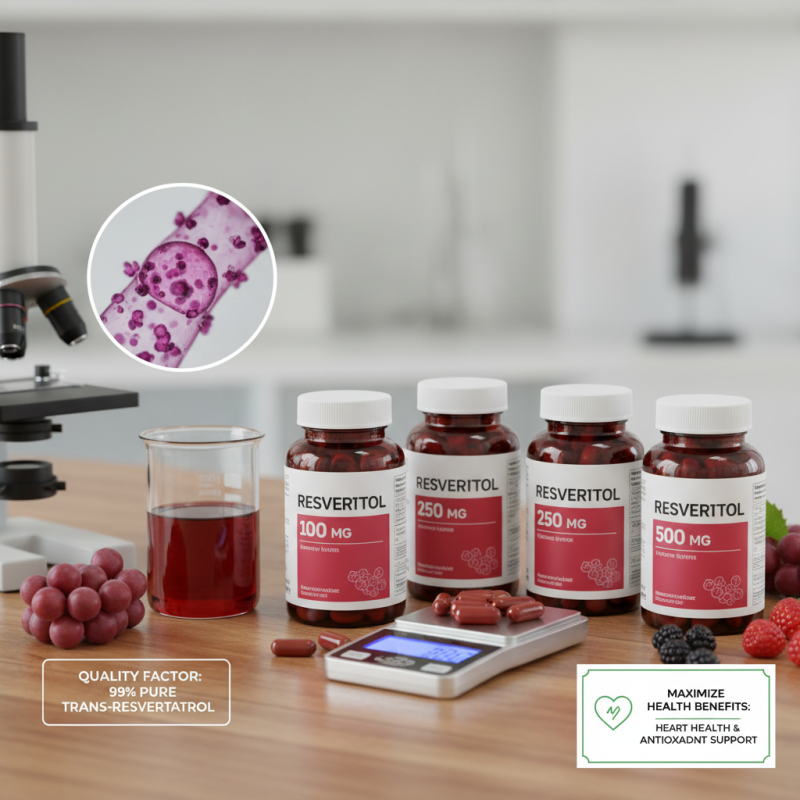
As we look ahead to 2025, conversations around personal health are really shifting—people are more and more into natural supplements and their impressive benefits. One that’s been catching a lot of attention lately is Resveratrol Capsules. They’re becoming pretty popular among health enthusiasts and folks just trying to feel better overall. This powerful compound, mainly pulled from the skin of red grapes and some other fruits, has been gaining buzz for its potential to boost your general health and well-being.
Recent research suggests that taking Resveratrol Capsules might offer some pretty cool perks—like acting as antioxidants that help fight off cellular damage and supporting heart health. Plus, a lot of people are curious about how these capsules might help with longevity and improving metabolic functions. When you really dig into what Resveratrol can do, it’s clear that it’s not just about taking another supplement—it’s more of a proactive way to care for your health in today’s world. In a time when life’s complexities just keep piling up, looking for natural, effective health solutions feels more relevant than ever.

Understanding Resveratrol: Origins and Natural Sources
 Resveratrol is a natural compound belonging to a group of substances called polyphenols, which are found in various plants.
Its origins can be traced back to the defensive mechanisms of certain plants that produce resveratrol in response to injury or pathogen attacks. Notably, this powerful antioxidant is predominantly found in the skin of red grapes, making it a key component in wine.
Other significant natural sources include berries such as blueberries and cranberries, and certain nuts, particularly peanuts.
The diverse range of plants that produce resveratrol highlights its importance in the plant kingdom, as well as its role in human health when consumed through diet.
The growing interest in resveratrol's potential health benefits has led to extensive research into its effects on the body. As a powerful antioxidant, resveratrol may help combat oxidative stress, thereby promoting overall cellular health.
Additionally, studies suggest that it may support cardiovascular health by improving circulation and reducing inflammation. As more people become aware of these beneficial properties,
incorporating resveratrol-rich foods into a balanced diet could provide a natural approach to enhancing well-being in 2025 and beyond.
Understanding the natural sources of this compound can empower individuals to make informed dietary choices that align with their health goals.
The Science Behind Resveratrol: How It Works in the Body
Resveratrol is a naturally occurring polyphenol found in various plants, notably in grapes, berries, and peanuts. Its ability to act as an antioxidant plays a crucial role in mitigating oxidative stress within the body, which is a leading contributor to various chronic diseases. By neutralizing harmful free radicals, resveratrol helps maintain cellular health and protects vital organs, notably the heart. Studies suggest that resveratrol may enhance cardiovascular function by supporting the health of blood vessels and improving circulation.
In addition to its antioxidant properties, resveratrol is known for its potential anti-inflammatory effects. It contributes to the regulation of inflammatory pathways, which are vital in preventing the progression of diseases such as diabetes and cancer. Moreover, resveratrol has been linked to improved metabolic health, as it may enhance insulin sensitivity and promote fat metabolism. By engaging with the body’s cellular mechanisms, such as activating the sirtuin genes associated with longevity, resveratrol presents a compelling case for its inclusion in health regimens aimed at promoting overall wellness and longevity.
Health Benefits of Resveratrol: Cardiovascular Support and Beyond
Resveratrol, a natural compound found in various plants, particularly grapes, has garnered significant attention for its health benefits, especially in cardiovascular support. Research indicates that it plays a crucial role in promoting heart health by improving endothelial function, which is vital for maintaining healthy blood vessels. By enhancing blood flow and reducing inflammation, resveratrol may help decrease the risk of heart diseases and improve overall cardiovascular performance.
Beyond cardiovascular benefits, resveratrol is also recognized for its potential antioxidant properties, which can protect cells from oxidative stress. This action may contribute to improved brain health, as well as a reduced likelihood of neurodegenerative diseases. Furthermore, resveratrol has been studied for its anti-inflammatory effects, making it a compound of interest in the realms of aging and chronic disease prevention. As more individuals turn to nutritional supplements for wellness, resveratrol capsules offer a convenient way to harness these promising health benefits.
Resveratrol and Aging: Potential Anti-aging Properties Explored
As researchers continue to explore the intricate relationship between resveratrol and aging, emerging evidence suggests that this natural compound may offer significant anti-aging benefits. Resveratrol, a polyphenol predominantly found in the skin of grapes and certain berries, has garnered attention for its potential to activate sirtuins, a family of proteins believed to play a crucial role in cellular longevity and metabolic regulation. By activating these pathways, resveratrol may help mitigate age-related cellular decline and improve overall health.
In addition to its impact on cellular processes, resveratrol exhibits strong antioxidant properties, which can combat oxidative stress—one of the leading contributors to aging. By reducing free radical damage, resveratrol may help maintain cellular integrity and function over time, contributing to healthier aging. Furthermore, studies suggest that it may enhance cardiovascular health, improve insulin sensitivity, and support brain function, thereby addressing multiple aspects of age-related decline. As research progresses, the potential of resveratrol as a practical ingredient for promoting longevity becomes increasingly promising, opening new avenues for maintaining vitality as we age.
Discover the Benefits of Resveratrol Capsules for Health in 2025
Choosing the Right Resveratrol Capsules: Dosage and Quality Factors
When choosing the right resveratrol capsules, it is essential to consider both dosage and quality factors to maximize health benefits. Resveratrol is renowned for its antioxidant properties and potential to support heart health, but the effectiveness largely depends on how much is taken and the product's purity. Generally, recommended dosages range from 100 to 500 mg per day, but individual needs may vary based on health conditions and lifestyle. It's wise to consult with a healthcare professional for personalized recommendations.
Quality is another critical aspect when selecting resveratrol capsules. Look for products that undergo third-party testing to ensure they are free from contaminants and meet label claims. Additionally, capsules with high bioavailability—meaning they are easily absorbed by the body—can enhance the potential health benefits of resveratrol. Standardized formulations may provide a more consistent dose of the active ingredient, supporting better outcomes. Prioritizing these factors can lead to more effective and beneficial supplementation, ensuring that the benefits of resveratrol can be fully realized.
Current Research Trends: Resveratrol Studies in 2025
Current research trends in 2025 highlight a growing enthusiasm for
resveratrol, a natural compound found in various plants,
known for its potential health benefits. Studies are increasingly focusing on its role in aging
and chronic disease prevention. Researchers are investigating how resveratrol may enhance
cellular health, improve metabolism, and combat inflammation, which are crucial factors in age-related conditions.
The exploration of its effects on cardiovascular health has gained particular
attention, as results suggest that resveratrol might support heart function and circulation while reducing the risk of
heart disease.
Moreover, clinical trials are now assessing the bioavailability of resveratrol in various forms,
including capsules, and its effectiveness in optimizing health outcomes. Innovative delivery methods are being
studied to enhance absorption and efficacy in the body. Scientists are also looking into the synergistic effects
of resveratrol with other natural compounds, potentially leading to new insights into holistic approaches
for disease management. The breadth of ongoing research underscores resveratrol’s promise as a key player in health
science and preventative medicine in the coming years.
Potential Side Effects and Considerations of Resveratrol Use
Resveratrol has gained popularity due to its potential health benefits,
but it's essential to approach its use with a balanced understanding of possible side effects and considerations.
While many individuals take resveratrol capsules to improve their overall wellness, it may lead to gastrointestinal issues,
such as diarrhea, nausea, or stomach cramps. Some users have reported allergic reactions, which can present as rashes or itching.
Additionally, people on blood thinners should exercise caution, as resveratrol can potentially enhance the effects of these medications.
When incorporating resveratrol into your routine, it’s advisable to start with lower doses to assess how your body reacts.
Always consult with a healthcare professional before adding any supplement, especially if you are pregnant, nursing,
or have underlying health conditions. To minimize side effects, consider taking resveratrol with food, which may help mitigate gastrointestinal discomfort.
It's also worth researching the source of your resveratrol, as the quality can vary significantly between products.
Keep track of any changes in your health and adjust the intake accordingly. Staying informed about any new findings regarding resveratrol
will further enhance your understanding and safe use of this promising supplement.
FAQS
: Resveratrol is a natural compound found in various plants, particularly grapes. Its primary health benefits include promoting cardiovascular health by improving endothelial function, enhancing blood flow, reducing inflammation, and delivering potential antioxidant and anti-inflammatory effects, which may contribute to brain health and chronic disease prevention.
Resveratrol supports cardiovascular health by improving endothelial function, which is essential for maintaining healthy blood vessels. It enhances blood flow, reduces inflammation, and may help decrease the risk of heart diseases, ultimately improving overall cardiovascular performance.
Current research trends are focusing on resveratrol's role in aging and chronic disease prevention, enhancing cellular health, improving metabolism, and combating inflammation. Researchers are also studying its effects on cardiovascular health and assessing the bioavailability of resveratrol in various forms and delivery methods.
Yes, potential side effects of resveratrol use can include gastrointestinal issues like diarrhea, nausea, and stomach cramps, as well as allergic reactions such as rashes or itching. Individuals on blood thinners should also exercise caution as resveratrol may enhance the effects of these medications.
Beginners should start with lower doses of resveratrol to assess their body's reaction. It's advisable to consult a healthcare professional before adding any supplement to your routine, especially if pregnant, nursing, or having underlying health conditions.
To minimize side effects, it’s recommended to take resveratrol with food, which may help mitigate gastrointestinal discomfort. Additionally, monitoring any changes in health and adjusting intake accordingly is important.
The quality of resveratrol supplements can vary significantly between products. It is crucial to research the source of your resveratrol to ensure you are consuming a quality product that supports the intended health benefits.
Staying informed about new findings on resveratrol can be achieved by following health and wellness news, consulting healthcare professionals, and engaging with scientific literature to enhance understanding and ensure safe use of this supplement.
Conclusion
In 2025, Resveratrol Capsules continue to garner attention for their potential health benefits. Derived from natural sources such as grapes and berries, resveratrol is known for its antioxidant properties. The science behind resveratrol reveals how it works within the body, supporting cardiovascular health and possibly offering anti-aging benefits. Ongoing research highlights the compound's effects on longevity and overall wellness, making it a topic of interest in health circles.
When considering Resveratrol Capsules, it's essential to focus on dosage and quality to maximize their benefits. While the advantages are promising, potential side effects should also be taken into account to ensure safe usage. As studies progress, the understanding of resveratrol's role in health continues to evolve, providing valuable insights for those seeking to enhance their well-being through supplementation.