Resveratrol capsules have really been making the rounds in the health world lately. I came across a study published in the American Journal of Clinical Nutrition that suggests resveratrol might help support your heart health and fight off inflammation. Sounds pretty promising, right? It seems like these capsules could play a pretty good role in helping us stay overall healthier.
Dr. Anna Marshall, who’s pretty well-known in the field of supplements and nutrition, mentioned, "Resveratrol capsules could potentially boost your health, but of course, everyone responds a bit differently." That’s a good reminder, really. While some folks see great results, others might not notice much and may want to look into other options.
The popularity of resveratrol capsules is definitely on the rise too — sales jumped about 15% over the last year, according to reports. Lots of people are curious about it as a natural way to boost longevity and stay energized. But hey, just a quick note — it’s always a smart move to check in with your doctor before adding any new supplement to your routine. Better safe than sorry, right?

What is Resveratrol and Where is it Found?
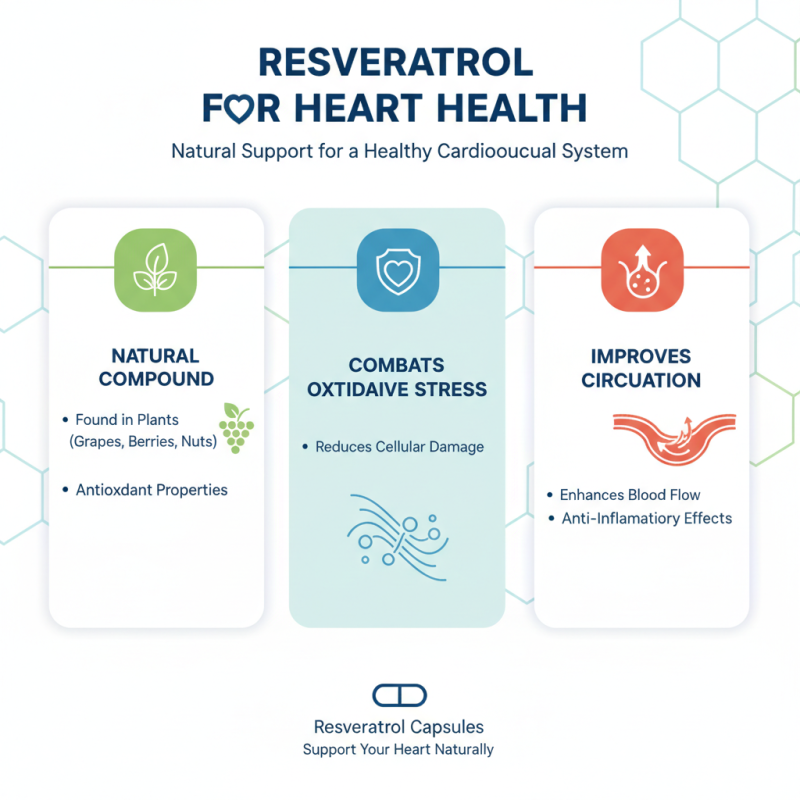
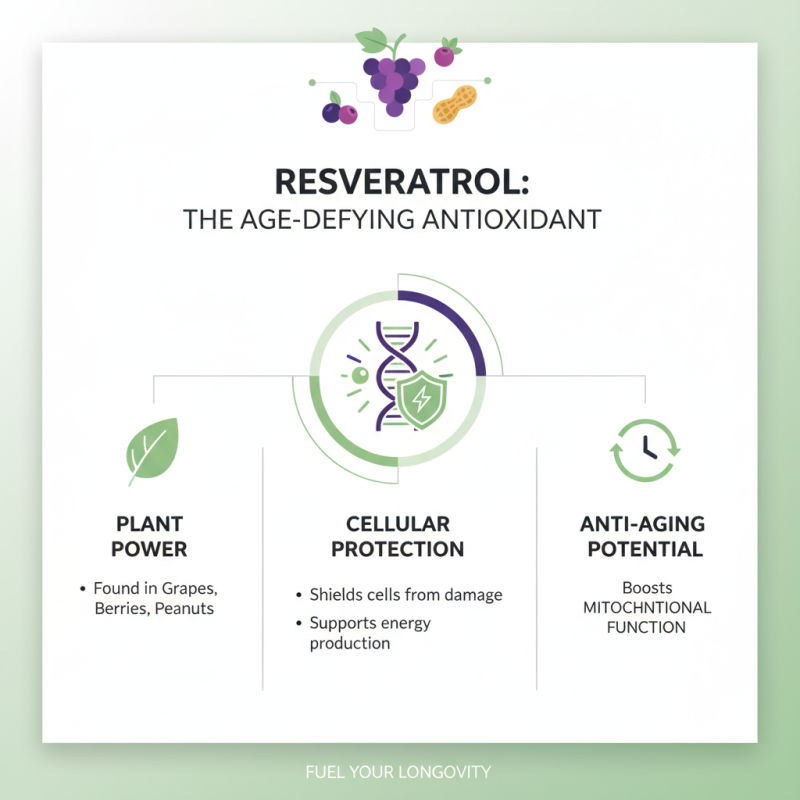
Resveratrol is a natural compound found in various plants. Grapes are one of the richest sources, especially in their skins. This compound is also present in berries and certain nuts. Red wine is often celebrated for its resveratrol content. However, the actual health impacts of wine consumption can be debated.
This powerful antioxidant is linked to numerous health benefits. Research suggests it may reduce inflammation and activate certain genes related to longevity. However, the scientific evidence is still evolving, and some studies show mixed results. Not everyone reacts the same way to resveratrol. It can be difficult to pinpoint its true effects without further research.
Some people may experience digestive issues when consuming resveratrol in large amounts. This raises questions about the right dosage for optimal benefits. Furthermore, the source of resveratrol can influence its quality and effectiveness. A deeper understanding of these factors is necessary for those considering resveratrol capsules.
Exploring food sources might be a more balanced approach. Moderation should always be a key consideration.
The Scientific Basis for Resveratrol's Health Benefits
Resveratrol has caught much attention in health circles. It is a natural compound found in the skin of red grapes and some berries. Studies suggest it can improve heart health and promote longevity. Research indicates that resveratrol may enhance the function of blood vessels. This can lead to lower blood pressure and improved circulation.
Moreover, resveratrol is thought to have antioxidant properties. This means it helps combat free radicals in the body. Some scientists believe that these qualities benefit brain health as well. There is evidence linking it to reduced risks of cognitive decline. However, the amount of resveratrol in food sources is relatively low. Many wonder if supplements can effectively deliver its benefits.
While there's excitement, not all findings are conclusive. Some researchers argue that more studies are needed to understand its effects fully. The idea of boosting health with a simple capsule is appealing but may oversimplify a complex issue. The balance of diet, exercise, and lifestyle choices remains crucial in achieving overall well-being. Exploring resveratrol is one piece of a much larger puzzle.
How Resveratrol Capsules Contribute to Heart Health
Resveratrol capsules are gaining attention for their potential heart health benefits. This natural compound, found in various plants, is known for its antioxidant properties. It helps combat oxidative stress, which is a factor in cardiovascular diseases. Resveratrol may improve blood circulation and reduce inflammation, both vital for heart health.
Regular intake of resveratrol can support healthy cholesterol levels. It may increase HDL cholesterol, often referred to as "good" cholesterol. This contributes to better overall heart function. Some studies suggest that resveratrol can also help lower blood pressure. This is important, as high blood pressure is a significant risk factor for heart complications.
**Tip:** To maximize health benefits, combine resveratrol capsules with a balanced diet. Eating plenty of fruits and vegetables enhances antioxidant intake.
Consistency is key. Regularly taking resveratrol supplements may yield better results. However, not everyone may experience the same benefits. Always consult with a healthcare professional before starting any supplement regimen.
**Tip:** Consider tracking your heart health. Small changes in your lifestyle can lead to significant improvements over time. Be mindful of other habits that may impact your heart.
Resveratrol and Its Role in Anti-Aging and Longevity
Resveratrol is a powerful compound found in various plants. This natural antioxidant has gained attention for its potential role in anti-aging. Research suggests that resveratrol helps protect cells from damage. It may improve mitochondrial function, which is crucial for energy production. Aging cells often struggle with energy, leading to decline.
Many people are intrigued by the idea that resveratrol can promote longevity. In animal studies, it showed the ability to extend lifespan. This effect is thought to stem from its impact on cellular health and inflammation. Yet, results in humans are still inconclusive. We need more studies to understand the true benefits and risks.
Incorporating resveratrol capsules into a daily routine might offer advantages. However, not everyone experiences the same results. Lifestyle factors play a significant role in overall health. Balancing diet, exercise, and supplementation is essential. While resveratrol shows promise, it’s crucial not to rely solely on it for anti-aging benefits. More research is needed to draw definitive conclusions about its effects on longevity.
Potential Anti-Inflammatory Effects of Resveratrol
Resveratrol is a natural compound found in grapes and berries. It has gained attention for its potential health benefits. One of the most exciting aspects is its anti-inflammatory properties. Inflammation can lead to various chronic diseases. Resveratrol may help reduce this risk over time.
Many studies suggest resveratrol can lower markers of inflammation in the body. This effect could be especially beneficial for people with arthritis or heart issues. Integrating resveratrol into your daily routine may offer some degree of protection against inflammation-related conditions.
Tips: Consider adding berries to your breakfast. They are rich in resveratrol. Choose a balanced diet to boost your health. Small changes can make a big difference. Stay active; it helps lower inflammation too. Even small walks count!
Risks and Side Effects of Taking Resveratrol Supplements
Resveratrol supplements have gained popularity due to their potential health benefits. However, it's important to consider the risks involved. Research indicates that high doses may lead to gastrointestinal issues. Some users report stomach upset, diarrhea, and nausea. According to a 2020 study published in the Journal of Nutritional Biochemistry, these side effects can occur in approximately 10-20% of individuals taking such supplements.
Allergic reactions are another concern. Some people may experience rashes, itching, or more serious reactions. A 2019 review in the Journal of Dietary Supplements suggests that individuals with sensitivities should approach resveratrol with caution. It’s also noted that combining resveratrol with certain medications can lead to adverse interactions. For example, those on blood thinners should be especially careful.
In addition, the long-term effects of resveratrol are not fully understood. Current studies often focus on short-term use, leaving gaps in knowledge. A study demonstrating its antioxidant properties does not clarify its safety over extended periods. Users may find benefits but should remain vigilant about potential side effects and consult healthcare providers regularly.
Why are Resveratrol Capsules Good for Your Health?
| Health Benefits |
Dosage Recommendation |
Risks |
Side Effects |
| May improve heart health |
100-500 mg per day |
Potential interaction with blood thinners |
Digestive issues |
| Antioxidant properties |
250 mg per day recommended |
Hormonal effects in large doses |
Nausea |
| May aid in weight management |
300-600 mg daily |
Not suitable for pregnant women |
Headaches |
| Supports cognitive function |
150-500 mg daily |
May affect blood pressure |
Rashes |
How to Choose the Right Resveratrol Capsule for Your Needs
When choosing the right resveratrol capsules, consider your health goals. Some use them for heart health, while others seek anti-aging benefits. Look for a product that lists the amount of resveratrol per serving.
Higher concentrations may offer more pronounced effects but can also be more costly.
Another important factor is the source of resveratrol. Many capsules derive their ingredients from grapes or berries. Others might use synthetic alternatives. Understand that natural sources may provide additional antioxidants. Check the ingredient list for any added fillers or preservatives. These can dilute the benefits you seek.
Always pay attention to reviews and research studies. They can reveal the effectiveness and potential side effects of different products. However, experiences can vary widely. What works for one may not work for another.
Be mindful of your personal health conditions and consult a healthcare professional if needed. It's easy to get caught up in marketing claims, so stay informed and make a thoughtful choice.
Unlocking the Health Benefits of Resveratrol Powder: A Deep Dive into Polygonum Cuspidatum
Resveratrol, a natural polyphenol predominantly found in Polygonum cuspidatum, has garnered significant attention in recent years for its myriad health benefits, particularly in the realms of anti-aging and antioxidant support. Scientific studies indicate that resveratrol exhibits the potential to modulate cellular processes that influence aging, often through its action on sirtuins—proteins associated with longevity. For instance, a meta-analysis published in the "Journal of Nutritional Biochemistry" found that resveratrol could improve mitochondrial function, thereby enhancing overall cellular health and vitality.
Research also highlights the positive impacts of resveratrol on skin health and immune function. In a study published in "Evidence-Based Complementary and Alternative Medicine," resveratrol was shown to combat oxidative stress, a key factor in skin aging, and promote skin hydration. Furthermore, it has been linked to bolstering immune responses, making it a compelling candidate for supplementation, especially in today's environment where health promotion is paramount.
When considering the use of resveratrol powder for these applications, specifications matter. Our resveratrol powder boasts a purity of 98% (Standard), with a CAS No. of 501-36-0, presented as a white to off-white crystalline powder. Despite its poor water solubility, this compound is packaged in quantities ranging from 1 to 25kg and is available for trial with a free sample. With certifications including ISO22000 and Organic, users can feel confident in the product's quality and safety, making it an essential addition for those keen on enhancing their health through the power of nature.
FAQS
: The guidelines aim to help users understand important concepts clearly.
No, the information is meant for personal understanding only.
The content is generally suitable for all ages.
Users should avoid sharing it for profit or without permission.
Feedback can be sent through the contact options provided.
Report any errors for correction to ensure accuracy.
Updates are made periodically to keep the information relevant.
While efforts are made for accuracy, users should verify independently.
Reflect on your context and the potential impact of your decisions.
Similar resources may be available online through educational platforms.
Conclusion
Resveratrol capsules are derived from a natural compound found in various plants, notably in the skin of red grapes. Research has shown that resveratrol may offer numerous health benefits, such as promoting heart health by improving blood circulation and reducing inflammation. Additionally, its potential anti-aging properties have made it a popular supplement among those seeking longevity and enhanced well-being.
These capsules may also have significant anti-inflammatory effects, contributing to overall health. However, it is essential to consider the potential risks and side effects associated with resveratrol supplementation. When choosing the right resveratrol capsules, it’s important to evaluate factors such as dosage and purity to ensure they meet individual health needs.