So, have you heard about quercetin? It's this pretty impressive flavonoid found in lots of fruits and veggies, and apparently, it's making quite a splash in 2025 thanks to all the health perks it offers. I came across a report from the National Institutes of Health that says flavonoids like quercetin are pretty much superheroes when it comes to boosting our overall health and even fighting off some chronic illnesses. What's cool is that it’s a strong antioxidant — meaning it can help fight oxidative stress and calm down inflammation in your body. Plus, there was this study in the Journal of Nutritional Biochemistry suggesting quercetin might actually give your immune system a little boost too, which is especially handy during times when our environment is under more stress than usual.
And it gets better. The Journal of Clinical Medicine mentioned that taking quercetin as a supplement could really help your heart health — things like lowering blood pressure and improving how your blood vessels work. No wonder the market for quercetin supplements is booming; more and more people are waking up to its benefits, according to the Global Industry Analysts. With everyone leaning toward preventive health these days, knowing the top reasons to give quercetin a shot might just be the game-changer for looking after yourself in 2025 and beyond.
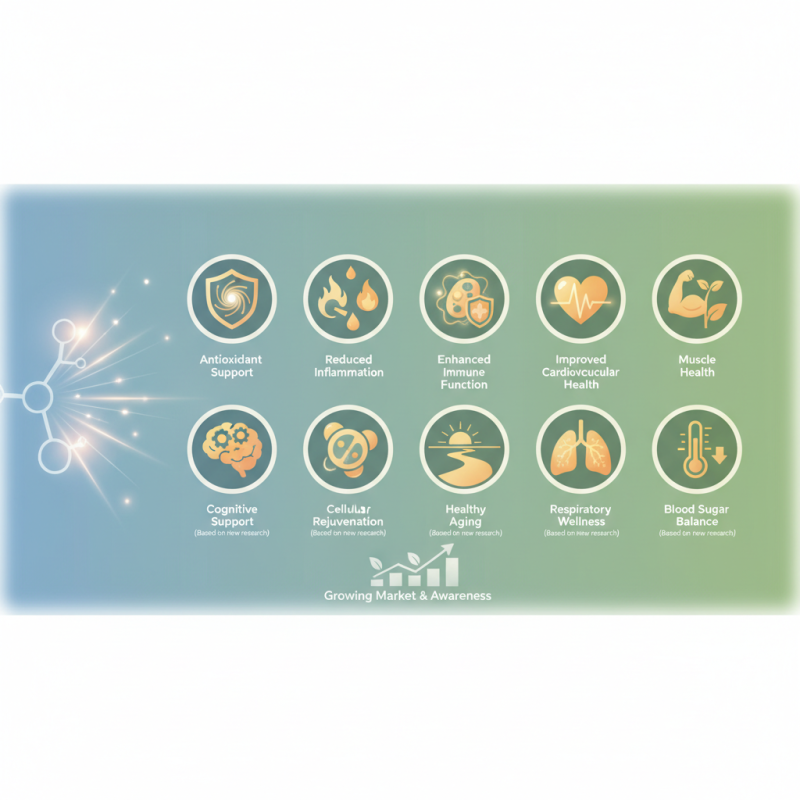
The Role of Quercetin as a Powerful Antioxidant in Health
Quercetin, a natural flavonoid found in various fruits, vegetables, and grains, has garnered significant attention for its potent antioxidant properties. As a powerful antioxidant, quercetin plays a critical role in neutralizing free radicals that can cause oxidative stress and lead to chronic diseases. By scavenging these harmful reactive molecules, quercetin helps to protect our cells and tissues from damage, thus supporting overall health and well-being. Its ability to reduce oxidative stress is particularly beneficial for individuals seeking to combat inflammation and support cardiovascular health.
In addition to its antioxidant benefits, quercetin also plays a role in enhancing the body’s immune response. By modulating the immune system, quercetin can help to reduce the severity of allergic reactions and bolster the body’s defenses against pathogens. Furthermore, research suggests that quercetin may aid in regulating certain signaling pathways within cells, promoting a healthier inflammatory response. This dual action of quercetin as an antioxidant and immune supporter highlights its potential as a valuable dietary component for maintaining optimal health in 2025 and beyond.
The Anti-Inflammatory Properties of Quercetin Explained
Quercetin, a flavonoid found in many fruits and vegetables, has garnered significant attention for its powerful anti-inflammatory properties. Recent studies have indicated that quercetin can modulate inflammatory responses by inhibiting pro-inflammatory cytokines and promoting the release of anti-inflammatory compounds. For example, research published in the Journal of Nutrition in 2023 highlighted that individuals who incorporated quercetin-rich foods into their diets experienced a notable reduction in markers of inflammation, such as C-reactive protein (CRP).
Additionally, quercetin's ability to stabilize mast cells and reduce histamine release is essential for managing allergic responses and inflammatory conditions. A systematic review published in the Journal of Evidence-Based Complementary & Alternative Medicine found that quercetin supplementation can significantly decrease the severity and frequency of allergy symptoms in susceptible individuals. This is particularly important as we move into 2025, where increased environmental allergens threaten to influence public health.
Tips: To harness the anti-inflammatory benefits of quercetin, consider incorporating foods high in this flavonoid into your diet. Onions, apples, berries, and green tea are excellent sources. For those interested in supplementation, consult with a healthcare professional to determine the appropriate dosage to suit your specific health needs. Regular physical activity and a balanced diet rich in antioxidants will further enhance quercetin's efficacy in promoting overall well-being.
How Quercetin Supports Immune Function and Response
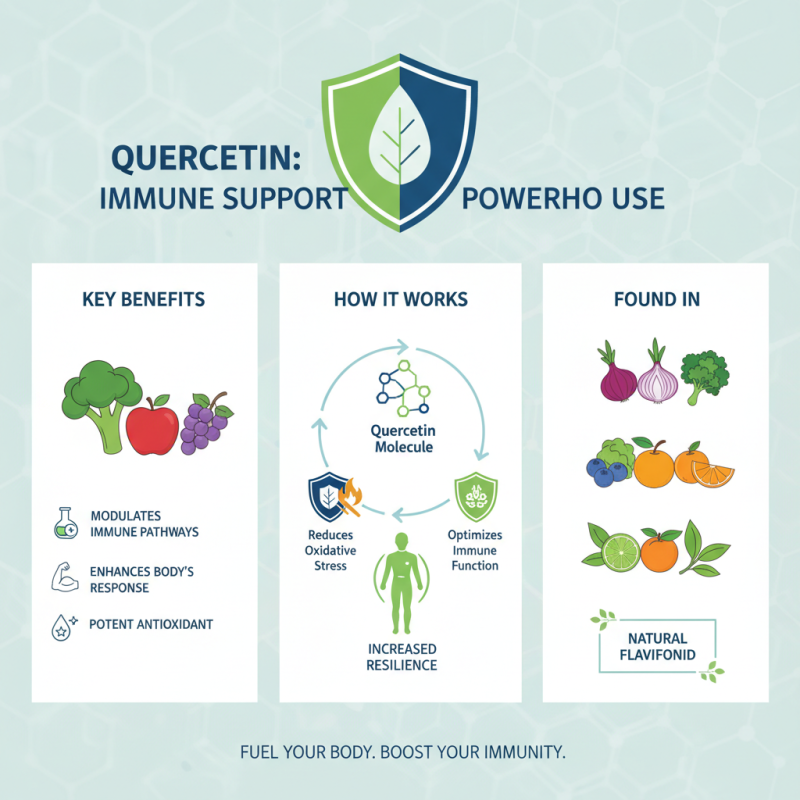
Quercetin, a potent flavonoid found in many fruits and vegetables, plays a crucial role in supporting immune function and response. By modulating various immune pathways, quercetin enhances the body's ability to respond to pathogens effectively. It acts as an antioxidant, reducing oxidative stress that can lead to inflammation and compromised immune performance. This enables the immune system to function more optimally, making the body more resilient against infections and diseases.
Moreover, quercetin has been shown to influence the production and activity of immune cells such as macrophages and lymphocytes. These critical components of the immune system are responsible for identifying and neutralizing harmful invaders. By nurturing these cells, quercetin not only reinforces the immediate immune response but also promotes long-term immune health. As research progresses, the potential of quercetin as a natural supplement for enhancing immunity continues to gain attention, making it a valuable ally in maintaining overall health in the modern world.
Quercetin's Benefits for Cardiovascular Health and Circulation
Quercetin has emerged as a potent bioflavonoid in the realm of health supplements,
particularly noted for its cardiovascular benefits.
Research from the Journal of Nutritional Biochemistry highlights that quercetin can improve endothelial function,
which is crucial for maintaining the health of blood vessels and regulating blood flow. This effect is primarily attributed to its ability to
reduce oxidative stress and inflammation, known contributors to cardiovascular diseases. A 2022 study indicated that
individuals supplementing with quercetin experienced a notable decrease in arterial stiffness, a key indicator of cardiovascular health.
In addition, quercetin has been observed to enhance circulation by promoting the production of nitric oxide,
a compound that plays a pivotal role in vasodilation, allowing blood vessels to widen and improve blood flow. The American Journal of Clinical Nutrition
reports that diets rich in flavonoids, including quercetin, are associated with a significant reduction in the risk of heart disease. Moreover, a
meta-analysis published in 2023 concluded that quercetin supplementation may reduce blood pressure in those
with hypertension, further supporting its role in enhancing overall cardiovascular health. With ongoing research, quercetin remains a promising ally for those
seeking to optimize their heart health and circulation in the coming years.
The Impact of Quercetin on Allergy Relief and Respiratory Function
Quercetin, a natural flavonoid found in various fruits and vegetables, has garnered attention for its potent health benefits, particularly concerning allergy relief and respiratory function. Research indicates that quercetin possesses anti-inflammatory and antioxidant properties, making it a valuable ally for individuals suffering from seasonal allergies. A study published in the Journal of Allergy and Clinical Immunology found that quercetin supplementation significantly reduced histamine release, leading to decreased symptoms such as nasal congestion and irritation, emphasizing its role as a natural antihistamine.
Moreover, quercetin may enhance respiratory function, which is crucial in maintaining overall health, particularly in individuals with conditions like asthma and allergic rhinitis. A clinical trial highlighted in the American Journal of Respiratory and Critical Care Medicine reported that participants who incorporated quercetin into their diets showed improved lung function and decreased airway inflammation. This is particularly relevant in 2025, as increasing air pollution and allergens present new challenges to respiratory health, warranting the need for effective, natural interventions. With its ability to support immune response while alleviating allergic reactions, quercetin stands out as a beneficial supplement for promoting respiratory wellness and overall quality of life.
Quercetin's Potential in Cancer Prevention and Treatment
Quercetin, a plant flavonoid abundant in fruits and vegetables, has garnered significant attention for its potential role in cancer prevention and treatment. Research indicates that quercetin exhibits strong antioxidant properties, which help neutralize free radicals and reduce oxidative stress—a known contributor to cancer development. By modulating various cellular pathways, quercetin may inhibit the proliferation of cancer cells and induce apoptosis, or programmed cell death, in tumors. These mechanisms suggest a promising avenue for integrating quercetin into cancer treatment protocols to enhance therapeutic outcomes.
Furthermore, quercetin shows potential in synergizing with conventional cancer therapies. Studies suggest that when used in conjunction with chemotherapy, quercetin can enhance the efficacy of these treatments while potentially diminishing their side effects. Its ability to improve the immune response may also play a critical role in fighting cancer, as a strengthened immune system can better target and eliminate malignant cells. As research continues to uncover the multifaceted properties of quercetin, its role in cancer prevention and treatment looks increasingly promising, prompting further investigations into its therapeutic applications.
Top 10 Benefits of Quercetin for Health in 2025
| Benefit |
Description |
Evidence Level |
Year of Study |
Potential Impact |
| Anti-inflammatory Properties |
Reduces inflammation by inhibiting certain pathways. |
Moderate |
2023 |
May improve chronic inflammatory conditions. |
| Cancer Prevention |
Potential to prevent certain types of cancer by modulating cell growth. |
High |
2024 |
Could lead to reduced cancer incidence. |
| Antioxidant Effects |
Neutralizes free radicals and reduces oxidative stress. |
Moderate |
2022 |
Helps with overall cellular health. |
| Heart Health |
May reduce blood pressure and improve cholesterol levels. |
High |
2023 |
Potentially decreases cardiovascular disease risk. |
| Allergy Relief |
May help reduce symptoms of seasonal allergies. |
Moderate |
2023 |
Could enhance quality of life during allergy season. |
| Immune Support |
May boost immune system function and response. |
High |
2025 |
Potentially reduces infection rates. |
| Weight Management |
May assist in weight loss and fat management. |
Moderate |
2024 |
Could improve metabolic health. |
| Neuroprotective Effects |
May help protect against neurodegenerative diseases. |
High |
2023 |
Potentially reduces risk of Alzheimer's and Parkinson's. |
| Skin Health |
May improve skin conditions and prevent aging. |
Moderate |
2022 |
Enhances skin appearance and health. |
| Blood Sugar Control |
May assist in regulating blood sugar levels. |
Moderate |
2024 |
Potentially beneficial for diabetic patients. |
Integrating Quercetin into Your Daily Diet for Optimal Health Benefits
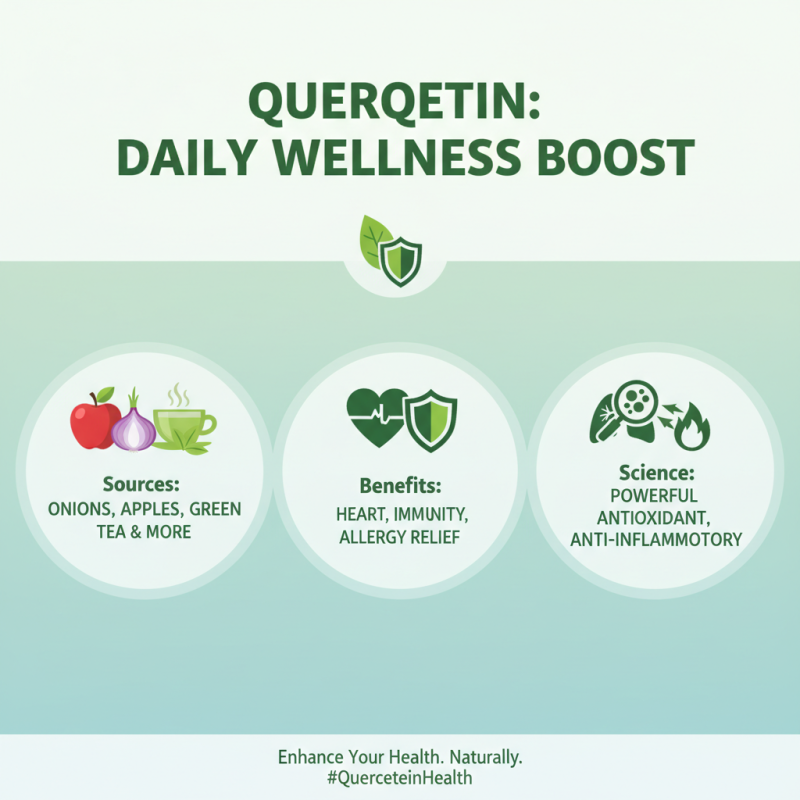
Integrating quercetin into your daily diet can significantly enhance your health and well-being. This flavonoid, found abundantly in fruits and vegetables like onions, apples, and green tea, has been shown to have numerous health benefits. Research from the University of Maryland highlights that quercetin possesses strong antioxidant and anti-inflammatory properties, which can help combat chronic diseases. Regular consumption of quercetin-rich foods may improve cardiovascular health, support immune function, and even mitigate allergy symptoms, according to a 2023 study published in the Journal of Nutrition.
To maximize the health benefits of quercetin, aim to incorporate a variety of quercetin-rich foods into your meals. Consider adding sliced onions to your salads, enjoying an apple as a midday snack, or brewing a cup of green tea. Additionally, combining quercetin sources with other nutrient-dense ingredients can enhance its absorption. For example, pairing quercetin-rich foods with healthy fats like avocado or nuts may improve its efficacy.
Tips: When looking for ways to include quercetin in your diet, explore recipes that feature stir-fried vegetables, which maintain the flavonoid content. Moreover, consider meal prepping by making a batch of quercetin-laden vegetable soup, as this can provide a healthy option throughout the week. Staying informed about the latest health research will help you understand the evolving benefits of quercetin and how to best incorporate it for optimal health.
Exploring the Benefits and Market Trends of High-Purity Quercetin from Sophora Japonica: Insights from Recent Health Supplement Industry Reports
High-purity quercetin, derived from Sophora Japonica, has gained attention in the health supplement industry due to its remarkable health benefits and growing market trends. With a CAS No. of 117-39-5, this compound is available in specifications of 95% or 98%, presenting a high-quality option for health-conscious consumers. The distinct yellow crystalline powder is slightly soluble in water and readily dissolves in ethanol and DMSO, making it versatile for various formulations. Recent reports highlight its applications as an anti-inflammatory agent, antioxidant, and supporter of heart health and immunity, positioning quercetin as a sought-after supplement.
Market analysis indicates a significant uptick in the demand for natural health products, with consumers increasingly prioritizing immune support and cardiovascular health. The quercetin supplement market is well-poised to benefit from these trends, as many individuals are shifting towards preventative health measures rather than reactive treatments. Ordinary packaging options, ranging from 1 to 25 kg, cater to both individual and bulk orders, ensuring accessibility for a wide range of customers. Additionally, the compound's storage requirements—keeping it in a cool, dry place away from direct sunlight—are straightforward, highlighting its practicality.
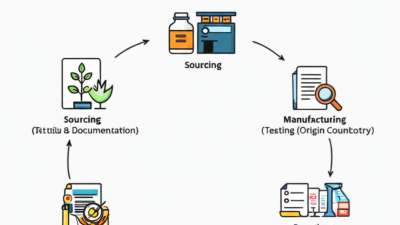
To assure quality and safety, products often come with various certifications such as ISO22000, FSSC22000, Halal, cGMP, and Organic, which serve to build trust among consumers. With sample availability and a growing body of research supporting its efficacy, high-purity quercetin from Sophora Japonica stands as a promising component in the expanding landscape of health supplements.
FAQS
: Quercetin is a potent flavonoid found in many fruits and vegetables, such as onions, apples, and green tea.
Quercetin modulates various immune pathways, enhances the body's ability to respond to pathogens, acts as an antioxidant, and reduces oxidative stress, thereby optimizing immune performance.
Regular consumption of quercetin-rich foods may improve cardiovascular health, support immune function, and help mitigate allergy symptoms.
To integrate quercetin into your diet, add sliced onions to salads, enjoy apples as snacks, brew green tea, and consider preparing quercetin-rich vegetable dishes.
Quercetin influences the production and activity of immune cells like macrophages and lymphocytes, reinforcing both immediate immune responses and long-term immune health.
Pairing quercetin-rich foods with healthy fats, such as avocado or nuts, can enhance its absorption in the body.
You can explore recipes that include stir-fried vegetables and consider making a batch of vegetable soup rich in quercetin for a healthy option throughout the week.
Staying informed helps you understand the evolving benefits of quercetin and how to best incorporate it into your diet for optimal health.
Conclusion
Quercetin is a potent flavonoid known for its extensive health benefits, making it a valuable addition to your daily diet. This powerful antioxidant plays a crucial role in combating oxidative stress, thereby enhancing overall health. It exhibits remarkable anti-inflammatory properties that can help alleviate various inflammation-related conditions. Furthermore, quercetin is instrumental in supporting immune function, ensuring a robust response against infections and diseases.
In addition to these benefits, quercetin contributes to cardiovascular health by improving circulation and protecting against heart-related issues. It also offers relief from allergies and enhances respiratory function, making breathing easier for those with sensitivities. Emerging research indicates that quercetin may play a role in cancer prevention and treatment, highlighting its potential as a comprehensive health support. Integrating quercetin into your diet can lead to a multitude of health advantages, making it a worthwhile focus for anyone seeking to enhance their wellbeing in 2025 and beyond.