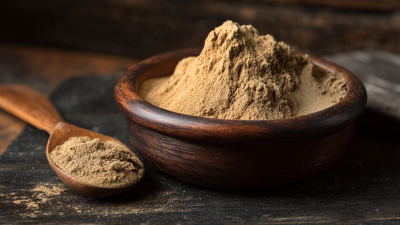
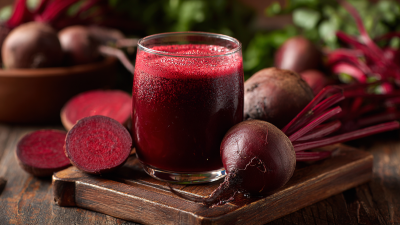
Lately, there's been a real buzz around the health perks of Plant Extracts, not just in the scientific community but also among everyday folks. I was chatting with Dr. Emily Carter from the Green Leaf Institute—she's kind of the go-to person when it comes to phytochemistry—and she pointed out, 'Plant Extracts are basically nature’s pharmacy, packed with powerful compounds that can boost our health and help ward off various issues.' Now, with so many studies highlighting their healing potential, it's no surprise folks are starting to pay more attention.
From giving our immune systems a little extra boost and easing inflammation, to supporting mental well-being and helping with digestion—these extracts are pretty versatile. More and more people are looking for natural options instead of synthetic meds, leaning toward holistic ways to stay healthy. Incorporating Plant Extracts into our daily routines feels like a more natural approach to wellness, and it’s pretty cool how traditional practices are blending with modern science.
As we dig into all the good stuff Plant Extracts can do, it’s worth thinking about how we can actually include them in our lifestyles. Whether it’s taking supplements, brewing herbal teas, or using essential oils, the possibilities are pretty extensive. Honestly, there’s a lot more to explore when it comes to their benefits, and it’s exciting to think about all the ways they can support our health.

Benefits of Plant Extracts: An Overview of Health Impacts
Plant extracts have gained considerable attention in recent years for their potential health benefits. Derived from various parts of plants—such as leaves, roots, and flowers—these extracts are rich in bioactive compounds, including polyphenols, flavonoids, and essential oils, which are known to exert positive effects on human health. Research suggests that many plant extracts possess antioxidant properties, which help neutralize harmful free radicals in the body, potentially reducing the risk of chronic diseases such as heart disease and cancer.
Additionally, plant extracts have been linked to anti-inflammatory and antimicrobial effects. For example, certain extracts can help alleviate inflammation, supporting conditions like arthritis, while others may combat pathogens and promote a healthier immune response. Furthermore, several studies indicate that specific plant extracts may enhance cognitive function and promote mental well-being, making them valuable for both physical and mental health.
Integrating these natural extracts into daily routines can be a simple but effective way to bolster overall wellness and prevent various health issues.
Natural Antioxidants: How Plant Extracts Combat Oxidative Stress
Plant extracts are increasingly recognized for their role as natural antioxidants, playing a crucial part in combating oxidative stress within the body. Oxidative stress occurs when there is an imbalance between free radicals and antioxidants, leading to potential damage to cells, proteins, and DNA. Many plant extracts are rich in bioactive compounds like flavonoids, phenolics, and vitamins that can neutralize free radicals, thus protecting the body from oxidative damage and associated chronic diseases.
The primary mechanism by which plant extracts mitigate oxidative stress is through their ability to scavenge free radicals. For instance, compounds found in extracts from berries, green tea, and various herbs can enhance the body’s natural defense system. These natural antioxidants not only reduce the risk of degenerative diseases like cancer and heart disease but also promote overall well-being by supporting metabolic health and reducing inflammation. By incorporating such plant extracts into our diet, we can harness their protective properties and foster a healthier, more resilient body.
Top 10 Benefits of Plant Extracts You Need to Know for Your Health
| Benefit |
Description |
Plant Source |
Active Compounds |
| Antioxidant Properties |
Helps neutralize free radicals in the body. |
Green Tea |
Catechins |
| Anti-inflammatory |
Reduces inflammation in the body. |
Turmeric |
Curcumin |
| Immune Support |
Boosts the body's defense system. |
Elderberry |
Flavonoids |
| Digestive Health |
Promotes a healthy digestive system. |
Ginger |
Gingerol |
| Cardiovascular Benefits |
Supports heart health and circulation. |
Hawthorn |
Flavonoids and Procyanidins |
| Weight Management |
Aids in maintaining a healthy weight. |
Garcinia Cambogia |
Hydroxycitric Acid |
| Mental Clarity |
Enhances cognitive function. |
Ginkgo Biloba |
Flavonoids and Terpenoids |
| Mood Enhancement |
Supports emotional well-being. |
St. John's Wort |
Hypericin |
| Skin Health |
Promotes healthy skin and healing. |
Aloe Vera |
Vitamins and Enzymes |
| Hormonal Balance |
Aids in regulating hormones. |
Maca Root |
Alkaloids |
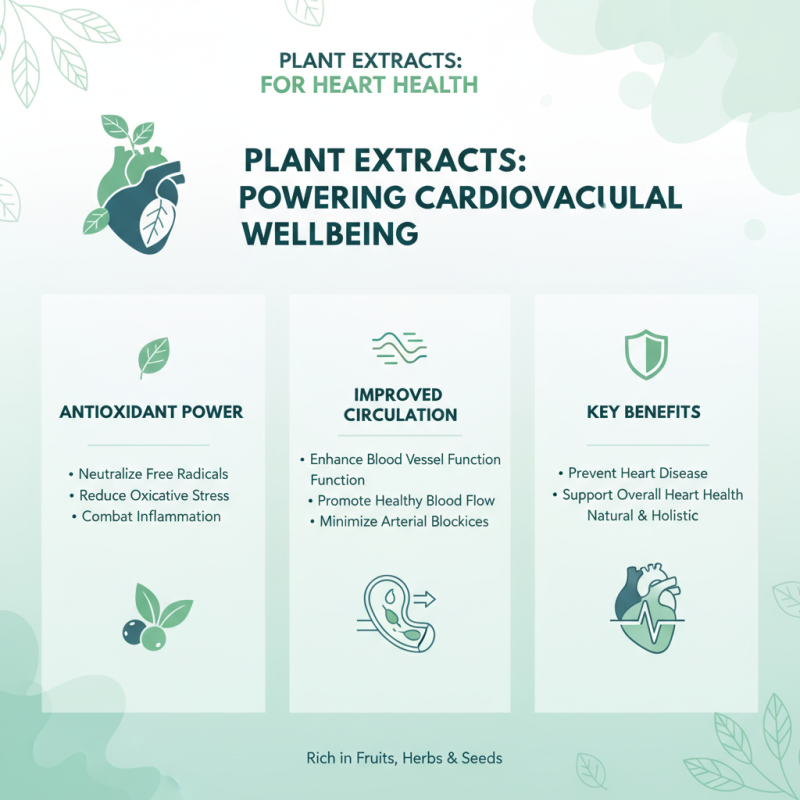
Cardiovascular Health: The Role of Plant Extracts in Heart Disease Prevention
Plant extracts play a significant role in supporting cardiovascular health, contributing to the prevention of heart disease through various mechanisms. Rich in antioxidants, these natural compounds help neutralize free radicals in the body, thereby reducing oxidative stress, which is a major trigger for inflammation and atherosclerosis. For instance, extracts from fruits, herbs, and seeds are known to improve blood vessel function, promoting better circulation and reducing the risk of arterial blockages.
Moreover, certain plant extracts have been shown to regulate cholesterol levels. By enhancing the body’s ability to manage lipid profiles, these extracts can help lower LDL cholesterol while increasing HDL cholesterol, further contributing to a healthier heart. Additionally, plant-derived polyphenols have been linked to improved endothelial function, which is crucial for maintaining vascular health. Incorporating a variety of plant extracts into one’s diet can thus serve as a powerful preventive measure against heart disease, offering a natural approach to maintain cardiovascular well-being.
Anti-Inflammatory Properties: Plant Extracts That Help Reduce Inflammation
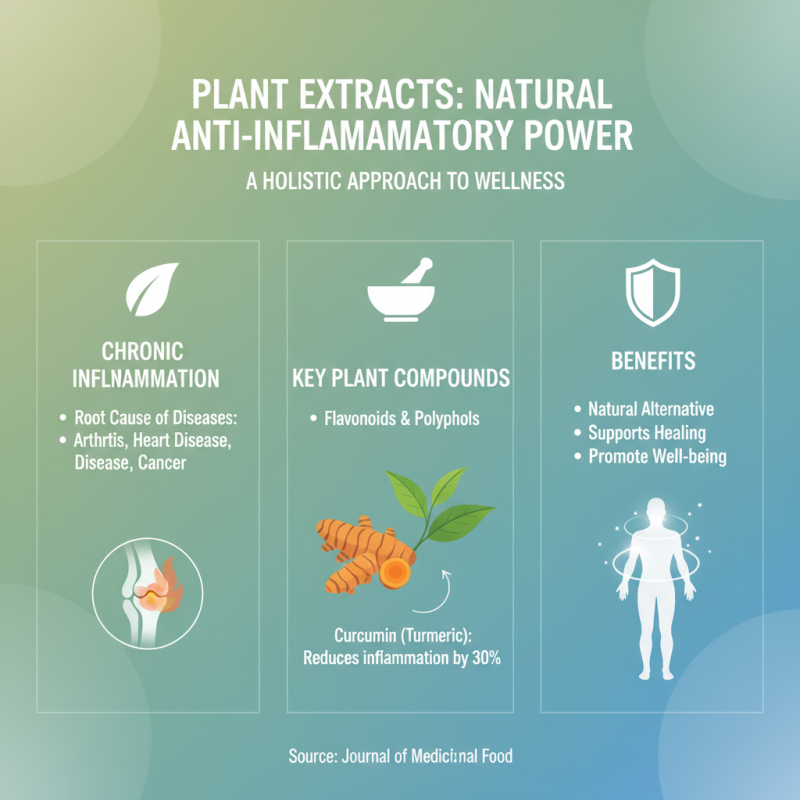
Plant extracts have garnered significant attention for their anti-inflammatory properties, offering a natural alternative to conventional therapies. Recent studies indicate that chronic inflammation is a contributing factor to various diseases, including arthritis, cardiovascular disease, and even certain types of cancer. A report from the Journal of Medicinal Food highlights that compounds found in plant extracts, such as flavonoids and polyphenols, exhibit potent anti-inflammatory effects. For instance, curcumin, extracted from turmeric, has been shown to reduce markers of inflammation, such as C-reactive protein (CRP), by up to 30% in clinical settings.
Furthermore, a meta-analysis published in the Journal of Nutritional Biochemistry suggests that extracts from green tea, particularly epigallocatechin gallate (EGCG), can significantly inhibit inflammatory pathways. In one study, participants who consumed green tea extract reported a noticeable decrease in inflammation-related symptoms within just weeks. With research suggesting that an increasing number of people are seeking plant-based solutions to manage inflammation, the potential of these extracts as viable options for promoting overall health is becoming more evident, paving the way for further exploration in the field of integrative health.
Cognitive Function: Plant Extracts Linked to Improved Brain Health
Recent studies have increasingly pointed to the cognitive benefits of various plant extracts, linking them to improved brain health and enhanced mental function. The compounds found in these extracts, such as flavonoids, polyphenols, and terpenes, are believed to promote neuroprotection and increase blood flow to the brain, which can lead to better memory, focus, and overall cognitive performance. In particular, extracts from plants like ginkgo biloba and rosemary have been highlighted for their ability to enhance memory recall and mental clarity, making them popular choices for those looking to boost their brain power naturally.
Moreover, certain plant extracts possess antioxidant properties that help combat oxidative stress, a major contributor to neurodegenerative diseases. By neutralizing free radicals and supporting cellular repair, these extracts can play a crucial role in maintaining brain health as we age. Additionally, the anti-inflammatory effects of various plant compounds may reduce the risk of cognitive decline, further establishing the importance of incorporating these natural ingredients into our daily diets. Overall, the growing body of evidence suggests that plant extracts not only support cognitive function but may also offer long-term benefits for brain longevity and health.
Digestive Support: The Benefits of Plant Extracts for Gut Health
The importance of gut health has been increasingly recognized in recent years, with plant extracts playing a crucial role in supporting digestive functions. According to a comprehensive report published by the Journal of Functional Foods, many plant extracts, such as ginger, peppermint, and aloe vera, contain bioactive compounds that enhance digestive processes and promote the growth of beneficial gut bacteria. These extracts can help alleviate common digestive issues such as bloating, gas, and irregular bowel movements, making them a popular choice for those seeking natural solutions for gut health.
Research indicates that plant extracts contribute to improved gut microbiota balance, which is vital for overall health. A study from the American Journal of Clinical Nutrition revealed that incorporating plant-based compounds into the diet could lead to a significant increase in the diversity of gut microbiota, an essential factor associated with reduced inflammation and a lower risk of chronic diseases. The prebiotic effects of certain plant extracts, such as inulin from chicory root, not only foster good bacteria but also may enhance nutrient absorption and metabolic health, further underscoring their importance in digestive support.
Skin Care: Plant Extracts and Their Efficacy in Dermatological Applications
Plant extracts have gained immense popularity in dermatological applications due to their multitude of benefits for skin health. Rich in antioxidants, vitamins, and essential oils, these natural ingredients can help address various skin concerns such as aging, dryness, and inflammation. For instance, extracts like aloe vera and green tea have been shown to promote skin hydration and combat free radical damage, making them ideal choices for moisturizers and serums. Their anti-inflammatory properties also soothe irritated skin, which is particularly beneficial for conditions like acne and eczema.
Tips: When choosing skincare products that contain plant extracts, look for those that prioritize purity and quality. Always conduct a patch test to rule out any potential allergies. For maximum efficacy, consider products that combine multiple extracts to enhance their overall benefits, as different botanicals can work synergistically to improve skin health.
In addition to topical applications, incorporating plant extracts into your diet can further support skin health from within. Consuming foods rich in antioxidants, such as berries, leafy greens, and nuts, can help your skin combat oxidative stress. For topical use, consider DIY masks or serums that leverage the nourishing properties of plant extracts. For instance, a simple mask made from mashed avocado and honey can provide hydration and anti-inflammatory benefits while promoting a radiant complexion.
FAQS
: Plant extracts contain bioactive compounds that enhance digestive processes, promote beneficial gut bacteria, and help alleviate common digestive issues such as bloating and gas.
Research indicates that incorporating plant-based compounds into the diet can significantly increase the diversity of gut microbiota, which is associated with reduced inflammation and a lower risk of chronic diseases.
Prebiotics, such as inulin from chicory root, foster good bacteria in the gut and may enhance nutrient absorption and metabolic health, making them important for digestive support.
Plant extracts are beneficial for various skin concerns, including aging, dryness, and inflammation, thanks to their high content of antioxidants, vitamins, and essential oils.
Extracts like aloe vera and green tea help promote skin hydration and combat free radical damage, making them ideal for use in moisturizers and serums.
Look for products that prioritize purity and quality, conduct a patch test for allergies, and consider products that combine multiple extracts to enhance their overall benefits.
Yes, consuming antioxidant-rich foods such as berries, leafy greens, and nuts can help combat oxidative stress in the skin, supporting overall skin health from within.
You can create masks or serums using natural ingredients, like a simple mask made from mashed avocado and honey, which provides hydration and anti-inflammatory benefits.
While generally safe, it's essential to conduct a patch test before using new products to rule out any potential allergies or irritations.
Antioxidants help combat oxidative stress, which can lead to premature aging and skin damage, thus promoting healthier, more resilient skin.
Conclusion
Plant extracts offer a myriad of health benefits that are essential for overall well-being. They are rich in natural antioxidants that help combat oxidative stress, thereby protecting cells from damage. Moreover, these extracts play a significant role in cardiovascular health by preventing heart disease and promoting better blood circulation. Their anti-inflammatory properties are invaluable in reducing inflammation, which can lead to chronic health issues.
Additionally, plant extracts have been linked to improved cognitive function, supporting brain health and potentially lowering the risk of neurodegenerative diseases. They also contribute to digestive health, offering support for gut function, and are widely recognized in skincare for their efficacy in treating various dermatological concerns. Overall, incorporating plant extracts into one’s health regimen can lead to a healthier, more balanced life.